

Карточка проекта · Литва · Испытательные автофургоны для кабелей и поиск повреждений
Высоковольтный испытательный силиконовый кабель для кабельной испытательной автолаборатории — Литва
Испытательному автофургону для кабелей потребовалась замена высоковольтного испытательного силиконового кабеля: 8,7/15 кВ AC в продолжительном режиме, 125 кВ DC кратковременно, полностью экранированный и достаточно гибкий, чтобы наматываться на барабан 230 мм, который вытаскивают, волочат по земле и сматывают обратно четыре-шесть раз в день. TEBAOFLEX поставила кастомную экранированную силиконовую конструкцию диаметром 22 мм, изготовленную под предел частичных разрядов 5 пКл при 20 кВ AC.
Карточка проекта
| Расположение | Литва (заказ размещён через литовского торгового партнёра) |
|---|---|
| Конечный пользователь | Поставщик кабельных испытательных автофургонов и систем поиска повреждений кабеля, испытаний на электрическую прочность и диагностики |
| Применение | Соединительный кабель ВН на барабане испытательного автофургона — испытание на электрическую прочность постоянным током, предварительный поиск и точное определение места повреждения на подземном кабеле СН/ВН |
| Исходное обозначение | Устаревший тип экранированного испытательного кабеля Pirelli, 6/6 кВ, с указанием 120 кВ DC |
| Поставленный кабель | Экранированный силиконовый измерительный кабель 8,7/15 кВ AC – 40 кВ AC / 125 кВ DC |
| Общий диаметр | 22 мм |
| Жила | Луженая медь, особогибкая скрутка класса 6 |
| Экран | Полупроводящий экран по жиле, полупроводящий экран по изоляции, оплётка из луженой медной проволоки |
| Изоляция и оболочка | Изоляция из силиконовой резины; оболочка из силиконового эластомера специального сорта, красная |
| Режим работы на барабане | Барабан 230 мм; разматывается и сматывается 4–6 раз за рабочий день на разных объектах |
| Определено по | Уровень частичных разрядов, радиус изгиба относительно собственного барабана заказчика и ручное испытание образца на изгиб |
Что на самом деле требуется от кабеля ВН в кабельной испытательной автолаборатории
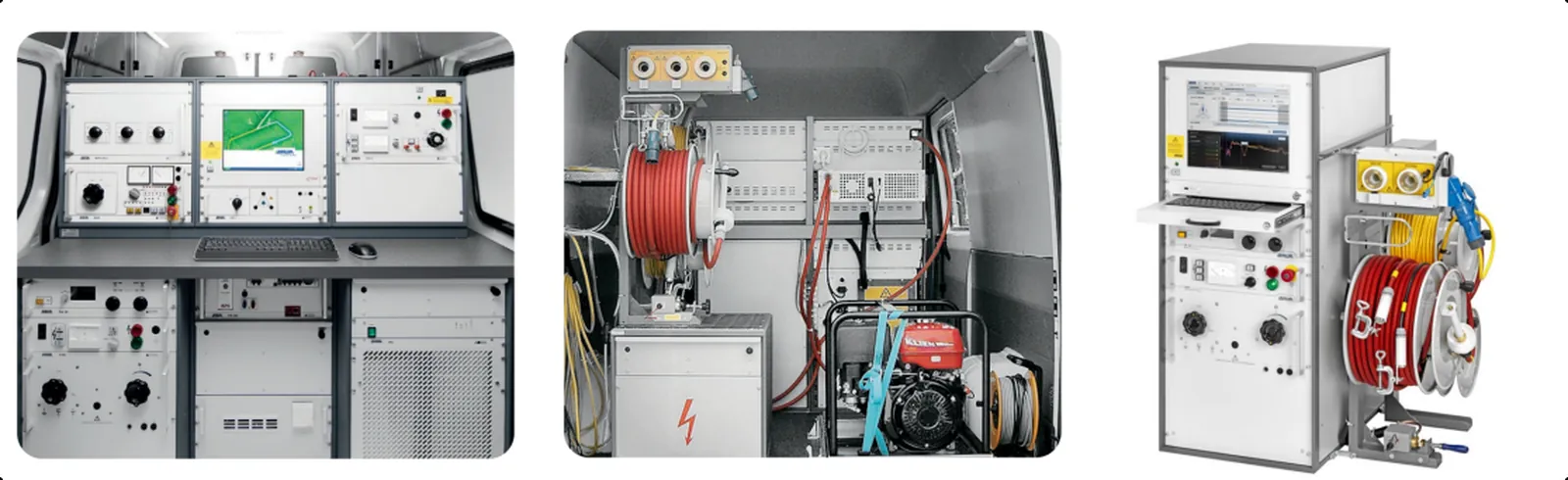
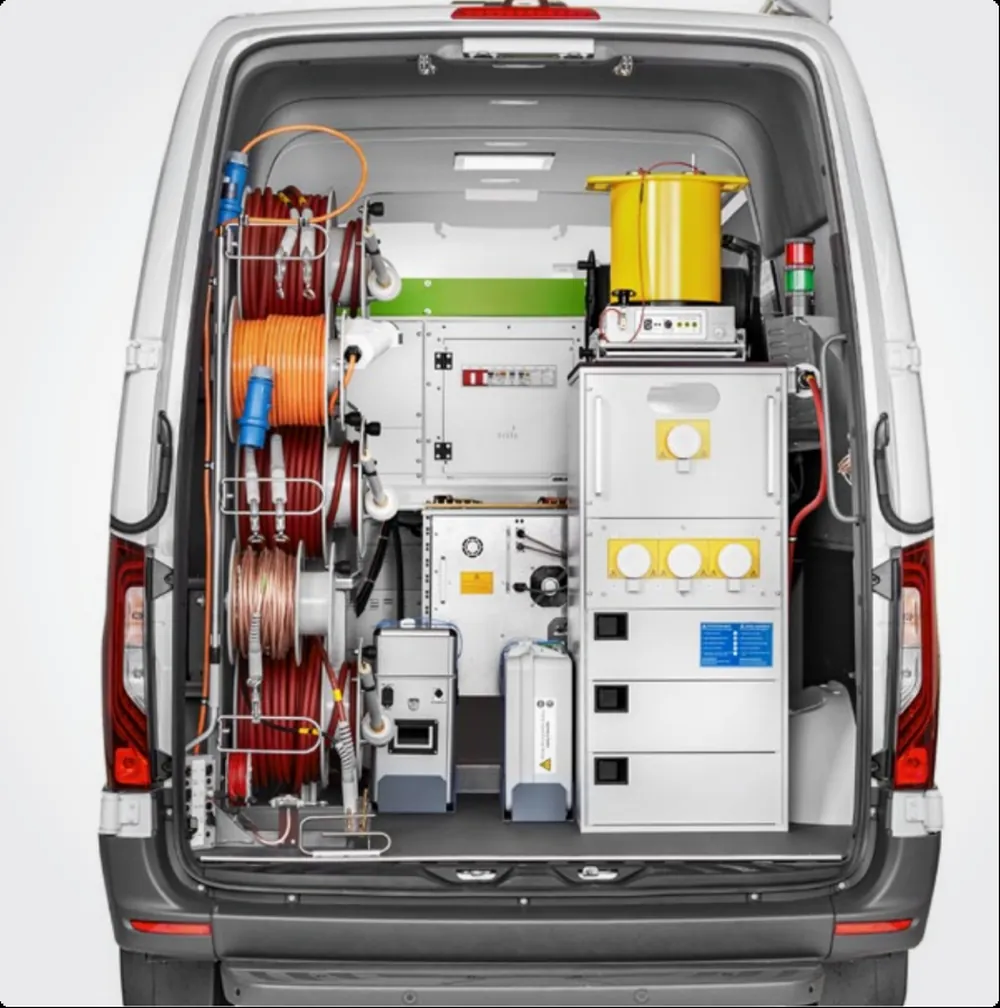
Испытательная автолаборатория для кабелей — это передвижная лаборатория поиска повреждений. Внутри неё установлены генератор импульсных перенапряжений, источник испытаний на электрическую прочность постоянным током или VLF, рефлектометр временной области и мост, и всё это подключается к подземному кабелю через один гибкий экранированный провод, разматываемый с барабана. Методы поиска повреждений — рефлектометрия (TDR) для повреждений с низким сопротивлением, методы дугового отражения и импульсного тока для пробоев с высоким сопротивлением, метод затухания для повреждений, проявляющихся только при высоком напряжении, и прожиг — направляют всю свою энергию через этот один кабель.
С электрической точки зрения: он должен выдерживать испытательное напряжение постоянного тока, намного превышающее его номинальный длительный уровень, оставаясь при этом «электрически тихим». Испытательный провод с внутренними разрядами искажает измерение, ради которого он и используется.
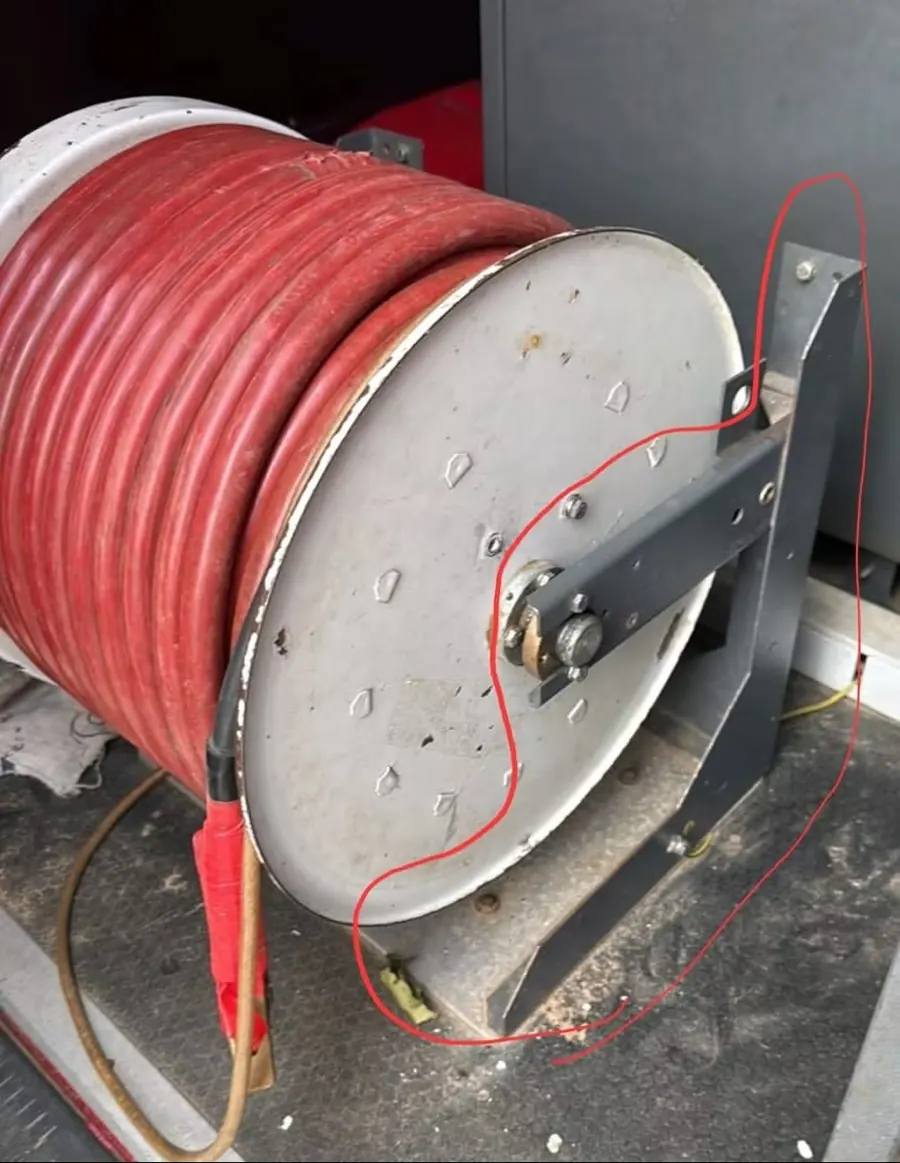
С механической точки зрения: он живёт намотанным на барабан, его волочат по бордюрам, гравию и крышкам соединительных колодцев, и он возвращается на барабан грязным. Четыре-шесть циклов в день, каждый рабочий день.
На практике: это единственный компонент автофургона, который бригада может повредить во вторник и без которого невозможно работать в среду.
Производители оборудования публикуют массу информации о приборах и почти ничего об этом кабеле. В ходе этого проекта мы искали и нашли брошюры по автофургонам, мостам, генераторам импульсных перенапряжений и программному обеспечению — но практически никакой опубликованной спецификации на провод, соединяющий их с внешним миром.
Почему старый код типа нельзя было просто заказать повторно
Запрос поступил со ссылкой на устаревший тип Pirelli с классом напряжения 6/6 кВ и пометкой 120 кВ DC. Этот код больше не соответствует ничему, что можно заказать: компания Pirelli Cables and Systems стала называться Prysmian ещё в 2005 году, и экранированные резиновые испытательные кабели того поколения давно исчезли из актуальных каталогов. Работающему же автофургону, в свою очередь, всё равно, как называется кабель.
Поэтому мы сделали то, что необходимо в такой ситуации: отказались от кода типа и восстановили спецификацию исходя из реальных условий эксплуатации. Номинальное напряжение, кратковременная электрическая прочность, схема экранирования, предел частичных разрядов, наружный диаметр, радиус изгиба, материал оболочки. Каждый из этих параметров — это цифра, которую заказчик может сверить со своим оборудованием; снятый с производства код типа таковым не является.
Свободен ли кабель от частичных разрядов?
Это был первый вопрос заказчика, и честный ответ таков: «отсутствие ЧР» — не то состояние, в котором можно продать кабель, а заявленный уровень при заявленном напряжении. Согласно практике стандарта IEC 60270, измерение всегда находится выше некоторого фонового уровня, поэтому важен именно предел рутинного испытания. У нас он составляет ≤ 5 пКл при 20 кВ AC, измеряемый на каждом барабане.
Пять пикокулон при 20 кВ — строгий показатель для гибкой конструкции диаметром 22 мм, и он достижим только благодаря экранированию. Полупроводящий слой поверх жилы сглаживает скрутку, чтобы изоляция «не видела» форму отдельных проволок; полупроводящий слой поверх изоляции выполняет ту же функцию снаружи, под оплёткой. Уберите любой из них — и поле концентрируется на каждой неровности, а именно там и начинается разряд, за которым следует электрическое триинг-повреждение.
| Параметр | Значение | Почему это важно для испытательного автофургона |
|---|---|---|
| Номинальное напряжение, продолжительный режим (U0/U) | 8.7/15 kV AC | Уровень, на котором кабель рассчитан работать неограниченно долго |
| Максимальное напряжение, между фазами | 15.75 kV AC | Предел для продолжительного режима |
| Номинальное напряжение, кратковременный режим | 125 kV DC / 40 kV AC | Покрывает испытание на электрическую прочность постоянным током и работы с импульсным напряжением в ходе цикла испытаний |
| Напряжение рутинного испытания | 35 кВ AC, 5 мин | Применяется к каждой производственной длине перед отгрузкой |
| Частичные разряды, рутинное испытание | ≤ 5 пКл при 20 кВ AC | Не позволяет проводу искажать переносимое им измерение |
| Напряжение типового испытания | 160 кВ DC, 15 мин / 55 кВ AC, 5 мин | Конструктивный запас сверх рабочего значения 125 кВ DC |
| Сопротивление изоляции | > 20 МОм·км | Утечка достаточно низкая, чтобы не искажать показания при измерении постоянным током или мостом |
| Общий диаметр | 22 мм | Определяет радиус изгиба и ёмкость барабана |
Намотается ли кабель диаметром 22 мм на барабан диаметром 230 мм?
Короткий ответ: да, и это было подтверждено на образце, а не выведено из таблицы — потому что эти два числа близки. Диаметр ствола, на который наматывается первый слой, составляет 230 мм, что удерживает этот слой на радиусе 115 мм, что составляет около 5,2 × наружного диаметра 22 мм. Минимальный рабочий радиус изгиба, публикуемый нами для этой конструкции, составляет 6 × D, то есть 132 мм. Эти значения отличаются друг от друга примерно на 13%, а спор в 13% не решается по одному листу технических данных.
Решает дело образец. Мы отправили один, и его согнули вручную и намотали на собственный барабан заказчика ещё до размещения заказа — мы снимаем это на видео для клиентов, которые не могут приехать на завод. Здесь силикон помогает так, как не могут XLPE или EPR: он мягкий, и его упругое восстановление означает, что плотно намотанный первый слой не оставляет в кабеле постоянной «памяти».
| Геометрия барабана | Значение | Выражено как × D |
|---|---|---|
| Наружный диаметр кабеля (D) | 22 мм | 1 × D |
| Диаметр ствола барабана | 230 мм | 10.5 × D |
| Радиус изгиба первого слоя (наихудший случай) | 115 мм | 5.2 × D |
| Опубликованный минимальный рабочий радиус изгиба | 132 мм | 6 × D |
| Внешние слои на заполненном барабане | Постепенно увеличивается | > 6 × D |
Из этой таблицы следуют два инженерных вывода. Во-первых, обсуждается только самый внутренний слой — каждый следующий виток наматывается с большим радиусом, поэтому заполненный барабан менее нагружает кабель, чем пустой. Во-вторых, если проекту действительно необходимо строго уложиться в 6 × D на стволе 230 мм, решение — не лучшая оболочка, а меньшее сечение жилы и, соответственно, меньший D. Мы предпочитаем сказать это заранее, а не поставлять кабель, работающий на пределе.
Силикон, волочащийся по земле — дважды до обеда
Заказчик изложил реальные условия эксплуатации без прикрас: кабель снимают с барабана четыре-шесть раз в день в разных местах, он трётся о землю, возвращается на барабан, а на следующий день всё повторяется. Этот вопрос заслуживает сначала неудобного ответа — обычный силикон плохо противостоит истиранию. Справочная литература по силиконовой изоляции оценивает её стойкость к истиранию как удовлетворительную и рекомендует её для стационарных установок. Если бы мы предложили здесь стандартный силиконовый компаунд, оболочка вышла бы из строя первой.
То, что мы поставили, — не стандартный компаунд. Силикон для оболочек кабеля делится на универсальные сорта и специальные сорта, разработанные для прочности на разрыв, стойкости к истиранию и многократному изгибу, и в этой конструкции используется индивидуальная оболочка специального сорта — из того же семейства компаундов, что мы применяем в высокотемпературных и барабанных конструкциях, адаптированная под эту задачу. Компромисс честный: вы платите больше за килограмм компаунда, а взамен оболочка выдерживает нагрузку, с которой обычный силикон не справился бы.
| Свойство в этом режиме эксплуатации | Стандартный силиконовый компаунд | Силикон специального сорта (поставленный) | Испытательный провод из ПВХ или ПЭ |
|---|---|---|---|
| Гибкость на барабане 230 мм | Отлично | Отлично | Плохая — становится жёстким и приобретает остаточную деформацию |
| Истирание при волочении | Удовлетворительная — слабое место | Улучшенная; подобрана под этот режим эксплуатации | Хорошая, но кабель слишком жёсткий для развёртывания |
| Стойкость к разрыву после надреза | Низкая | Повышена за счёт компаунда и полиэфирной обмотки под оболочкой | Умеренная |
| Ресурс при многократном изгибе | Очень хорошо | Очень хорошо | Слабо |
| Поведение в холодную погоду (балтийская зима) | Сохраняет гибкость значительно ниже 0 °C | Сохраняет гибкость значительно ниже 0 °C | Становится жёстким; риск растрескивания |
| Упругое восстановление после плотной намотки | Высокое — без остаточной деформации | Высокое — без остаточной деформации | Низкое — сохраняет форму витка |
Последняя строка — это то, что чувствуют полевые бригады. Провод, «помнящий» барабан, усложняет работу в соединительном колодце; силиконовый провод остаётся там, где его положили. В дождливый вторник это стоит дороже любой цифры в техническом листе.
Конструкция, слой за слоем
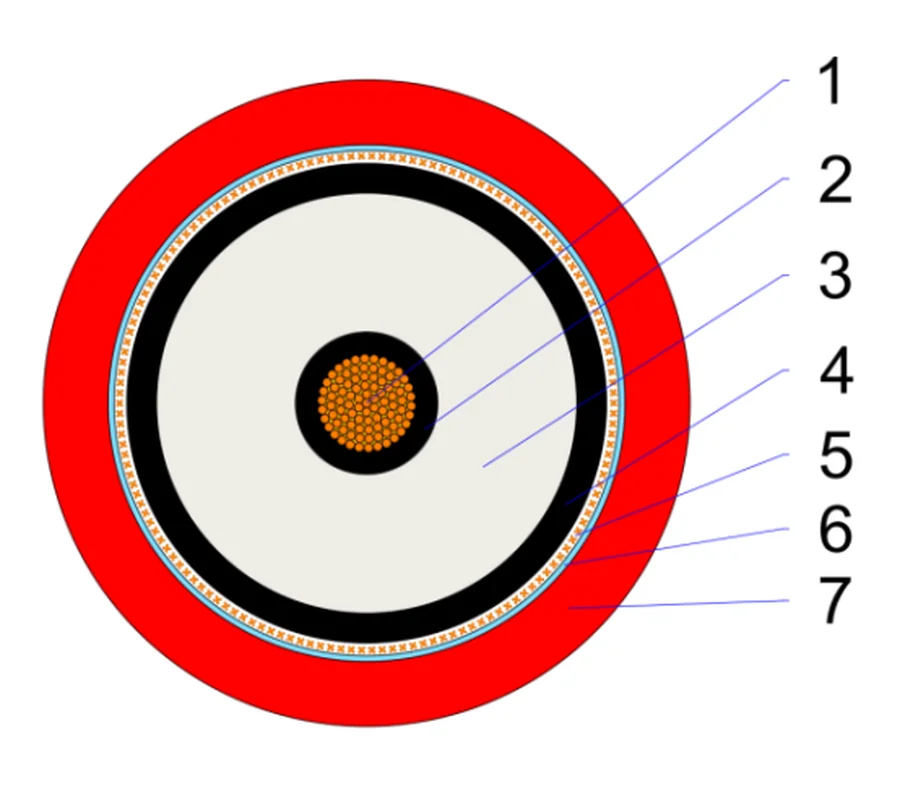
Семь слоёв, и ни один из них не декоративный. Два существуют лишь для того, чтобы электрическое поле оставалось равномерным, а один — лишь для того, чтобы надрез не превратился в разрыв.
| # | Слой | Материал | Функция |
|---|---|---|---|
| 1 | Жила | Луженая медь, особогибкая скрутка класса 6 | Тонкие проволоки обеспечивают кабелю ресурс на изгиб; лужение задерживает коррозию в местах оконцевания |
| 2 | Экран по жиле | Полупроводящий слой | Сглаживает поверхность скрутки, чтобы изоляция никогда не воспринимала отдельную проволоку как точку концентрации напряжённости |
| 3 | Изоляция | Силиконовая резина, рассчитанная на работу ВН постоянного тока | Выдерживает 125 кВ DC кратковременно, оставаясь достаточно мягким для намотки |
| 4 | Экран по изоляции | Полупроводящий слой | Обеспечивает оплётке гладкую непрерывную границу раздела — вторую половину истории с частичными разрядами |
| 5 | Экран из оплётки | Оплётка из луженой медной проволоки | Определяет внешнюю границу поля, обеспечивает обратный путь и экранирует измерение |
| 6 | Обмотка | Один слой полиэфирной ленты | Отделяет оплётку от оболочки, не позволяя повреждению оболочки распространиться на экран |
| 7 | Наружная оболочка | Силиконовый эластомер специального сорта, красный | Принимает на себя истирание; красный цвет — чтобы никто не спутал его с чем-то другим на объекте |
Где ещё применяется эта конструкция, помимо поиска повреждений
Один и тот же кабель отвечает целому ряду задач, где гибкий экранированный провод должен выдерживать высокое испытательное напряжение и оставаться «электрически тихим».
Лаборатории высоковольтных испытаний. Испытания на электрическую прочность постоянным током, измерение сопротивления изоляции и диэлектрические измерения, где провод не должен вносить разряды в показания.
Приёмо-сдаточные и типовые испытания на заводе. Рутинные и типовые испытания кабеля СН и ВН на производственном предприятии.
Исследования и ввод в эксплуатацию систем HVDC. Испытания линий передачи постоянного тока и проверка оборудования преобразовательных подстанций.
Подключение возобновляемых источников энергии к сети. Испытания экспортных кабелей HVDC для морской ветроэнергетики и испытания систем постоянного тока на солнечных электростанциях.
Сложные типы повреждений. Линейные высокоомные пробои в местах соединений, перекрытия, возникающие только при импульсном воздействии, дефекты изоляции с низким сопротивлением, ещё не приведшие к пробою, и случаи, где рефлектометрические методы дают сбой — кабель с ПВХ-изоляцией, металлические оболочки СВН и бронированные стальные конструкции, обычно исследуемые мостом по принципу Мюррея.
Почему итоговая цена оказалась выигрышной
Экранированный силиконовый испытательный кабель, изготовленный в Западной Европе, — дорогое изделие, и заказчик сказал это раньше нас. Мы предложили цену значительно ниже европейского коммерческого предложения по четырём структурным причинам, ни одна из которых не является скидкой:
1. Производственная рабочая сила и изготовление оборудования. Оба фактора обходятся дешевле в Китае, а для мелкосерийной специальной конструкции, которая запускается и настраивается вручную, рабочая сила составляет значительную долю стоимости.
2. Полный цикл производства внутри компании. Смешение резины, экструзия, плетёное экранирование, скрутка и упаковка — всё это выполняется на наших собственных 12 производственных линиях, так что ничего не закупается на стороне с наценкой.
3. Развитая местная сырьевая база. Компаунды, луженая медь и ленты поступают от плотной внутренней базы поставщиков с множеством квалифицированных источников, что удерживает цены на сырьё на честном уровне.
4. Индивидуальное исполнение здесь — норма, а не исключение. Разовая экранированная силиконовая конструкция — обычный рабочий день для нас. Наш минимальный заказ составляет 50 м, так что никому не нужно покупать километр, чтобы решить проблему масштаба одного метра.
Мы не экономим на тестировании. Каждый барабан проходит рутинное испытание напряжением 35 кВ AC и измерение частичных разрядов, потому что дешёвый испытательный провод, не проходящий полевое испытание на прочность, обходится дороже, чем когда-либо экономил кабель.
Что мы анализируем для аналогичного кабеля испытательного автофургона
- Номинальное напряжение в продолжительном режиме (U0/U)
- Уровни кратковременной электрической прочности постоянным и переменным током
- Требуемый предел ЧР и напряжение, при котором он измеряется
- Сечение жилы или испытательный ток
- Максимально допустимый наружный диаметр
- Диаметр ствола барабана и ширина щеки
- Длина на барабан и количество барабанов
- Циклы развёртывания в день
- Тип грунтовой поверхности, по которой волочится кабель
- Минимальная температура окружающей среды на месте испытаний
- Тип оконцевания и разъёма на каждом конце
- Цвет, маркировка и обозначение барабана
Два параметра, сильнее всего влияющие на коммерческое предложение, — это диаметр ствола барабана и предел ЧР. Всё остальное обычно не вызывает затруднений.
Похожие конструкции
- Полная линейка высоковольтных силиконовых кабелей, от 1,8 кВ до 125 кВ DC
- Высоковольтный силиконовый провод, 3–60 кВ, UL 3239 и UL 10475
- Высокопрочный силиконовый кабель, 180 °C, HRD / FRNC
- Кабель зажигания факельной установки, 25 кВ DC / 10 кВ AC, 250 °C
- Гибкий кабель для распределительных устройств (N)TMCWOEU 26/45 кВ
- Как мы производим высокотемпературный и силиконовый провод
- Конструкции барабанных кабелей для работы на барабане
Вопросы по этому применению
Свободен ли этот высоковольтный испытательный силиконовый кабель от частичных разрядов?
Ни один кабель не является абсолютно свободным от ЧР; значение, которое имеет значение, — это заявленный предел при заявленном напряжении. Эта конструкция проходит рутинное испытание не более 5 пКл при 20 кВ AC на каждой производственной длине, что и требуется испытательному автофургону, чтобы соединительный провод не искажал переносимое им измерение.
Можно ли намотать испытательный кабель ВН диаметром 22 мм на барабан диаметром 23 см?
Да. Барабан диаметром 230 мм удерживает первый слой на радиусе 115 мм, что примерно в 5,2 раза больше диаметра кабеля, при опубликованном минимальном рабочем значении 6 × D. Этот запас достаточно мал, чтобы мы подтверждали его на физическом образце и видео изгиба перед заказом, а не только по техническому листу.
Почему силикон, а не EPR или XLPE для провода испытательного автофургона?
Потому что кабель обрабатывают вручную, а не прокладывают стационарно. Силикон остаётся мягким в широком диапазоне температур, восстанавливает форму после плотной намотки и не приобретает остаточную деформацию от барабана. XLPE и EPR хорошо держат напряжение, но гораздо более жёсткие, из-за чего ежедневное развёртывание становится медленным и тяжёлым для бригады.
Выдерживает ли силикон ежедневное волочение по земле?
Обычный силикон — нет: его стойкость к истиранию лишь удовлетворительная, и обычно он рекомендуется для стационарного применения. Этот кабель использует оболочку из силикона специального сорта, разработанную для стойкости к разрыву и истиранию, с полиэфирной лентой под ней, чтобы поверхностное повреждение не достигало экрана из оплётки.
Какое напряжение может выдержать кабель во время испытания на электрическую прочность постоянным током?
125 кВ DC кратковременно, наряду с 40 кВ AC, сверх продолжительного номинала 8,7/15 кВ AC. Конструкция проходит типовое испытание при 160 кВ DC в течение 15 минут и 55 кВ AC в течение 5 минут, так что рабочее значение находится внутри подтверждённого запаса, а не на его границе.
Можете ли вы поставить замену устаревшему типу испытательного кабеля Pirelli или Prysmian?
Да, и этот проект был именно таким случаем. Пришлите старый код типа со всеми доступными электрическими и габаритными данными, а также геометрию вашего барабана, и мы восстановим спецификацию исходя из реальных условий эксплуатации. Устаревшие коды типов эпохи Pirelli больше нельзя заказать, но конструкция, стоящая за ними, воспроизводима.
Каков минимальный объём заказа и срок поставки?
Минимальный заказ составляет 50 м, а обычный срок поставки для специальной конструкции составляет 10–30 дней в зависимости от сложности и количества. Мы подтверждаем срок до размещения заказа, поскольку простаивающий испытательный автофургон в ожидании провода — это дорогостоящий простой транспортного средства.
Можем ли мы получить образец и видео изгиба перед заказом?
Да. Образцы бесплатны, вы оплачиваете только доставку. По вопросам гибкости, подобным этому, мы также снимаем на видео, как кабель гнут вручную и наматывают на барабан, потому что видео реальной конструкции отвечает на вопрос быстрее, чем формула радиуса изгиба.
Согласуйте с нами кабель ВН для испытательного автофургона →