

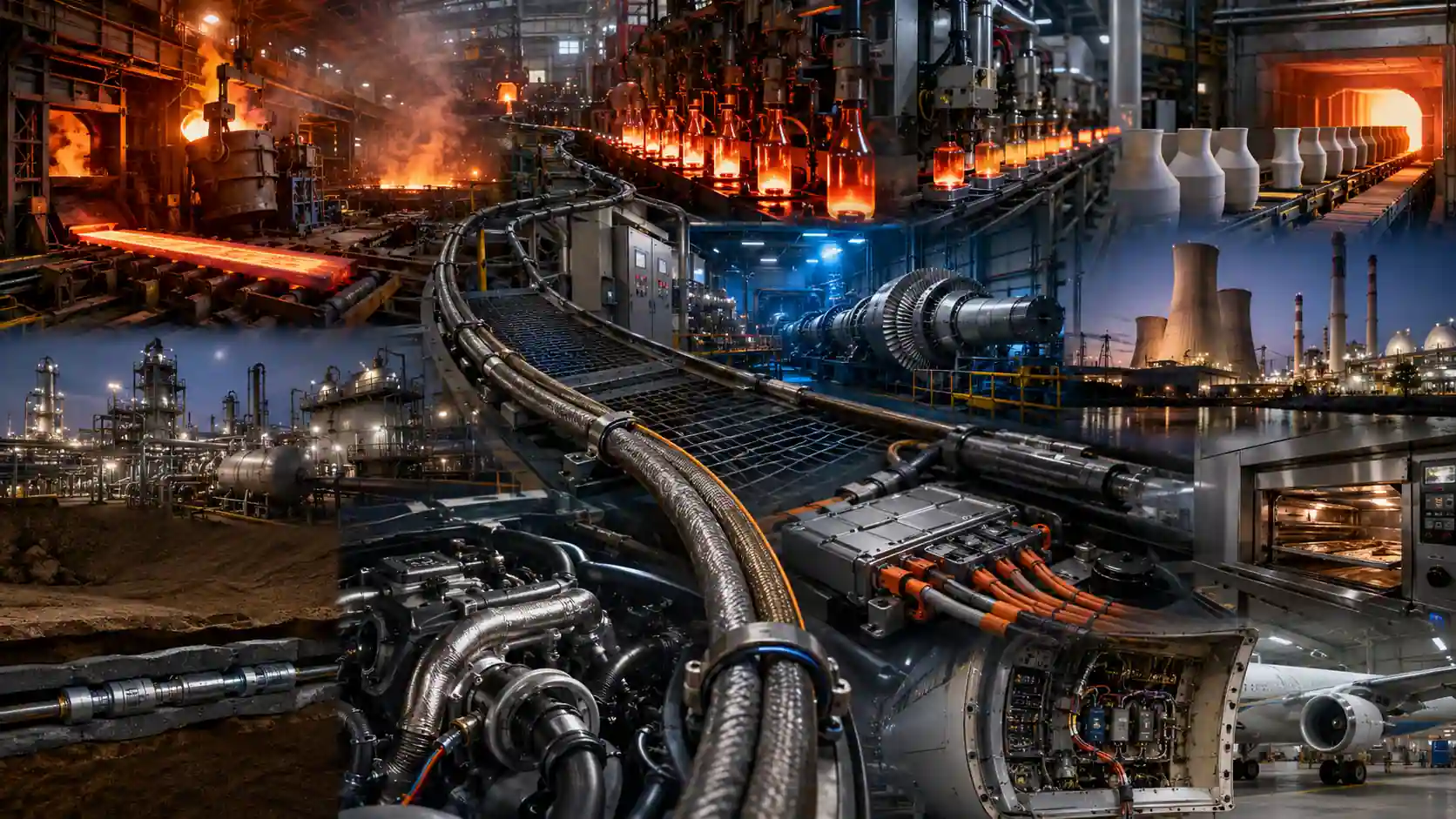
Производитель высокотемпературных проводов
TEBAOFLEX — производитель высокотемпературных кабелей с жилами в силиконовой, PTFE, FEP, PFA, XLPE и стекловолоконной изоляции: от 105°C до провода зажигания на 538°C, с классами 150 V–60 kV. Обычный монтажный ПВХ-провод в печной зоне твердеет, становится хрупким и превращается в неисправность. Выбирайте изоляцию по фактической температуре, а не по цифре на обложке паспорта.
- Завод работает с 2014 года
- Сертификация UL · cUL · VDE
- Более 50 типов UL AWM
- MOQ 50 м
- 2014В производстве с
- более 20 000 м²Площадь предприятия
- 150 000 кмГодовая производственная мощность
- 20+Страны поставок
- 30+Инженеры НИОКР
MOQ 50 m · бесплатные образцы (перевозка за ваш счёт) · печать OEM/ODM на кабеле и барабане · срок 10–30 дней · гарантия 6 месяцев–1 года · поддержка инженеров 24/7
Что считается высокотемпературным проводом?
Высокотемпературный провод — это проводник, изоляция которого сохраняет свои электрические и механические свойства выше 90°C в длительном режиме. На практике рынок начинается со 105°C и доходит до 250°C для монтажного провода, а конструкции со стекловолокном и слюдой достигают 538°C. Потолок задаёт материал изоляции, а не медь. Покрытие этой меди задаёт второй потолок, и лужёная медь достигает его около 150°C, что бы ни было наложено поверх — что на самом деле гарантирует температурный класс изоляции 200°C.
Важен механизм отказа. ПВХ не плавится при 120°C — он становится хрупким. Через полгода при изгибе жгута во время обслуживания изоляция растрескивается и осыпается, вызывая необъяснимый пробой фаза-корпус. Силикон, фторполимеры и сшитые полиолефины применяют выше 90°C именно потому, что они стареют постепенно, а не превращаются в корку.
Спецификацию определяют три числа: длительная температура жилы, номинальное напряжение, а о что трётся провод. Если эти три параметра заданы верно, всё остальное — вопрос складского запаса.
Матрица «материал × температура × напряжение»
Вся задача выбора помещается на одном экране. Найдите фактическую температуру жилы, перейдите к нужному напряжению — и семейство изоляции определено. Ниже приведены детали.
| Изоляция | Длительная температура | Напряжение | Типовые стили UL AWM | Типичные применения |
|---|---|---|---|---|
| XLPE / XLPO сшитый полиолефин | 90–150°C | 300–600 V | 3320, 3385, 3287, 3266, 3173, 3271, 3321 | Безгалогенная проводка панелей и распределительных устройств, выводы двигателей и трансформаторов, фотоэлектрические цепочки и накопители энергии |
| EVA этиленвинилацетат | −40…+110°C | 450/750 В | EN 50525 H07G-U / -R / -K | Безгалогенная европейская проводка зданий и панелей, когда низкое дымовыделение важнее нагрева |
| FEP фторированный этиленпропилен | 150–200°C | 300–600 V | 1330, 1331, 1332, 1333, 1901 | Электроника с малым радиусом, датчики, катушки и светотехника: тонкая стенка, чистая химия и лёгкая зачистка |
| силиконовая резина | 105–250°C | 300–1000 V | 3171, 3232, 3243 / 3099, 3113, 3123, 3132, 3133, 3530 / 3135, 3139, 3143, 3367, 3512 / 3253, 30144, 30145 | Всё, что должно оставаться гибким при нагреве: выводы двигателей, печные и световые жгуты, внутренние цепи приборов. Более прочные безгалогенные конструкции на 1 500 V DC: HRD, FRNC и ECSC-HRD |
| Силикон + стекловолоконная оплётка | 200°C | 300–600 V | 3122, 3513 | Тепло и истирание: площадки печей, зоны обжиговых печей и места, где жгут трётся о сталь |
| PTFE политетрафторэтилен | 80–250°C | 150–1000 V | 1212, 1213, 1164, 1198, 1180, 1199, 1584, 1815, 1570, 1659, 10393 | Агрессивные химикаты и тонкая стенка при ограничении места и массы; аэрокосмические и приборные жгуты |
| PFA перфторалкокси | 150–250°C | 150–1000 V | 1858, 1859, 1860, 1709, 1710, 1726, 1727, 10362, 10371 | Электронагреватели, термопары, газовые запальники, медицинское и полупроводниковое оборудование |
| XLFE радиационно-сшитый фторэластомер | 200°C, ресурс 3 000 ч | 1000 VAC / 1500 VDC | ISO 19642-5 (без экрана), ISO 19642-9 (экранированный) | Высоковольтный жгут для электромобилей и батарей, 3,0–150 мм² и до 250 мм² |
| Силикон, высоковольтное исполнение | 150–200°C | 3 kV – 60 kV | 3239, 10475 | Высоковольтные источники постоянного тока, рентгеновская и диагностическая аппаратура, испытательные стенды и цепи зажигания |
| Силиконовый / стекловолоконный запальник | до 538°C по жиле | 10 kV – 25 kV DC | промышленные конструкции зажигания | Запальники факельных установок, горелок и печей, розжиг газовых турбин |
| Силиконовый нагревательный провод | 200°C | 300 В | 3590 | Нагревательные элементы — сопротивление под заказ, а не силовой провод |
| TGGT Монтажный провод PTFE / стекловолокно | 250°C | 300 – 600 V | 5256, 5251 | Печи, сушилки, туннели полимеризации и выводы ламп — одновременно горячие, влажные и химически агрессивные |
| MGT монтажный провод слюда / стекловолокно | 450°C UL; 538°C заводской | 300 – 600 V | 5107, 5128 | Выше предела фторполимеров — обжиговые печи, металлургические и стекольные заводы, нагревательные хомуты и выводы элементов |
Температуры — это длительные номиналы жилы из опубликованных данных типов UL AWM и паспортов производителя для каждой конструкции. Сообщите номер типа, и до заказа мы подтвердим точный объём одобрения по нашему файлу UL.
Высокотемпературный монтажный провод по семейству изоляции
Пять семейств закрывают почти все поступающие запросы. Различие не столько в максимальной температуре, сколько в поведении при изгибе, трении или попадании жидкости.
Если кабель должен предотвращать замерзание или поддерживать температуру вдоль трубы, резервуара, кровли либо водосточного желоба, начните с подбора саморегулирующегося греющего кабеля. Затем конструкцию определяют удельная мощность, напряжение питания, температура воздействия и расчёт цепи; пассивный высокотемпературный провод для оборудования требует иной спецификации.
Для труб и резервуаров, которым нужна защита от замерзания или поддержание технологической температуры в пределах 65°C под напряжением, отправной точкой могут служить саморегулирующийся кабель электрообогрева труб 230 В и пять вариантов его мощности от 10 до 40 Вт/м при 10°C.
Силиконовая резина — 105°C–250°C
Гибкий вариант. Скрутки классов 5 и 6 остаются мягкими при нагреве, поэтому выводы двигателей и печные жгуты почти всегда силиконовые. Силикон легко истирается — добавляйте стекловолоконную оплётку там, где возможен контакт. При горении образуется непроводящая зола SiO₂, а не углеродный след. См. страницу типы и диаметры силиконового монтажного провода.
PTFE — до 250°C
Тонкая стенка, химическая инертность и отличная электрическая прочность. Если силиконовому проводу требуется изоляция 0,8 мм, PTFE справляется с 0,33 мм — так жгут на 40 цепей помещается в корпус разъёма на 24. Он жёстче силикона, поэтому учитывайте радиус изгиба. См. страницу типы и размеры монтажного провода PTFE.
PFA — 150°C–250°C
Плавкоперерабатываемый родственник PTFE с той же химической стойкостью и более гладкой равномерной стенкой. Он чисто зачищается и режется, что важно при оконцевании сотен проводов нагревателей и термопар. Выше 200°C стандартна никелированная медь. См. страницу типы и диаметры монтажного провода PFA.
FEP — 150°C–200°C
Универсальный фторполимер. Он уступает PTFE и PFA по температуре, но дешевле, гибче и доступен во всех цветах, поэтому широко применяется в проводке приборов, датчиков и освещения. Для визуального контроля жилы есть прозрачные исполнения. См. страницу ассортимент и размеры монтажного провода FEP.
XLPE / XLPO — 90°C–150°C
Сшитый полиолефин сочетает низкое дымовыделение и отсутствие галогенов с механической прочностью и тонкой стенкой. Исполнения 125°C (3266, 3173, 3271) — это типовой выбор для распределительных устройств и обмоток двигателей и фотоэлектрических цепочек или накопителей энергии.
Стекловолоконная оплётка — 200°C и выше
Силиконовая жила с покрытой стекловолоконной оплёткой, AWG 20–400 MCM. Оплётка принимает на себя истирание, разгружая силикон. Такой провод ставят на печных площадках и проходах, где голый силиконовый провод переживает лишь одну остановку. См. страницу ассортимент силиконового кабеля со стекловолоконной оплёткой до 4/0.
Для силиконового провода со стекловолоконной оплёткой на 150°C, моторного провода с полиарамидным покрытием на 200°C или многожильного кабеля с изоляцией из слюды и стекловолокна на 450°C сравнивайте конструкции со стекловолоконной и полиарамидной оплёткой по точному сечению, числу жил, напряжению и материалу покрытия.
Производитель проводов UL AWM: индекс типов
Если для внутренней проводки оборудования нужен определённый тип UL, начните с UL 1056 · PVC · 105°C · 600 V, UL 3123 · Силикон · 150°C · 600 V, UL 10485 · PFA · 250°C · 600 V или UL 5359 · Слюда + Стекловолокно · 600 V. UL 3232 · Силикон/Нейлон · 105°C · 300 V представляет собой отдельный вариант на 105°C/300 V. Страница каждого изделия указывает жилу, покрытие и размеры конкретного типа.
Номер типа UL AWM одним обозначением фиксирует изоляцию, температуру и напряжение, поэтому запрос по типу быстрее и надёжнее описания конструкции словами. Ниже сгруппированы выпускаемые нами конструкции, чтобы найти нужную за один просмотр.
| тип UL AWM | Изоляция | Температура | Напряжение | Примечания |
|---|---|---|---|---|
| 1212 / 1213 | PTFE | 80°C / 105°C | 150 V / 600 V | Одно семейство паспортов, AWG 36–10 |
| 1164 / 1180 | PTFE | 150°C / 200°C | 300 В | Тонкостенная пара 300 V, посеребрённая медь |
| 1198 / 1199 | PTFE | 150°C / 200°C | 600 В | Толстостенные варианты 1164 / 1180 |
| 1584 | PTFE | 250°C | 1000 В | −65°C…+250°C, AWG 32–10, испытание 3000 V |
| 1815 / 1570 / 1659 / 10393 | PTFE | 250°C | 300 V / 600 V | 1570 — минерально наполненный PTFE на никелированной меди; 1659 также выпускается многожильным |
| 1333 / 1331 | FEP | 150°C | 300 V / 600 V | −80°C…+150°C, лужёная медь |
| 1332 / 1330 / 1901 | FEP | 200°C | 300 V / 600 V | Основные типы FEP для приборов и освещения |
| 1858 / 1859 | PFA | 150°C | 300 V / 600 V | Никелированная, лужёная или неизолированная медная жила |
| 1860 / 1709 / 1710 | PFA | 200°C | 150 V / 300 V / 600 V | Опубликовано одним семейством с 1726 / 1727 / 10362 |
| 1726 / 1727 / 10362 | PFA | 250°C | 300 V / 600 V | Нагреватели, термопары и газовые запальники |
| 10371 | PFA | 250°C | 1000 В | Самое высокое напряжение в линейке PFA |
| 3171 / 3232 / 3243 | Силикон | 105°C | 300 V / 600 V | −60°C…+105°C |
| 3099 / 3113 / 3123 / 3132 / 3133 / 3530 | Силикон | 150°C | 300 V / 600 V | 3530 выпускается на 150°C или 200°C, 600 V |
| 3135 / 3139 / 3143 / 3367 / 3512 | Силикон | 200°C | 300 V / 600 V | −60°C…+200°C; рабочая группа проводов для выводов двигателей |
| 3253 / 30144 / 30145 | Силикон | 250°C | 300 V – 1000 V | Верхний предел силиконовой линейки |
| 3122 / 3513 | Силикон + стекловолоконная оплётка | 200°C | 300 V / 600 V | 3513 выпускается от AWG 20 до 400 MCM (0,5–240 мм²), испытание 6000 V |
| 3239 | Силикон, высоковольтное исполнение | 150–200°C | 3 / 6 / 10 / 20 / 30 / 40 / 50 / 60 kV | AWG 28–16; стенка увеличивается с 0,50 до 3,11 мм от 3 kV до 60 kV |
| 3320 / 3385 / 3287 | XLPE | 90°C / 105°C | 300 V / 600 V | Базовые сшитые исполнения |
| 3266 / 3173 / 3271 | XLPE / XLPO | 125°C | 300 V / 600 V | Безгалогенный и огнестойкий; 3173 также применяется в фотоэлектрических системах и накопителях энергии |
| 3321 | XLPE | 150°C | 600 V (750 VDC) | Самый высокотемпературный сшитый полиолефин |
| 3590 | Силиконовый нагревательный провод | 200°C | 300 В | Резистивный сплав на стекловолоконном сердечнике, 0,5–12 000 Ω под заказ |
Источники: опубликованные данные типов UL AWM и паспорта производителя. У нас есть сертификат UL UL-US-2449012-0 и сертификат cUL UL-CA-2437036-0 (отчёт E542560-20241225). Сообщите номер типа, и мы подтвердим объём одобрения для вашего заказа.
Провод на 200c или 250c: какой действительно нужен?
Если жила нагревается до 180°C, у провода 200°C почти не остаётся запаса, а провод 250°C заметно дороже. Измерьте фактическую горячую точку, добавьте около 20°C и выбирайте класс выше этого значения, а не тот, который собирались купить.
| Фактор принятия решения | Класс 200°C | Класс 250°C |
|---|---|---|
| Типичные материалы | Силикон, FEP, PFA, PTFE, XLFE | PTFE, PFA, силикон (семейство 3253) |
| Распространённые типы | 1180, 1199, 1330, 1332, 1901, 1710, 3135, 3512, 3122, 3513, 3239 | 1570, 1584, 1659, 1815, 10393, 1727, 10362, 10371, 3253 |
| Покрытие жилы | Обычно достаточно лужёной меди | Никелированная медь — олово плавится при 232°C |
| Гибкость | Силиконовые исполнения остаются очень гибкими при нагреве | PTFE и PFA жёстче — закладывайте радиус изгиба |
| Относительная стоимость | Базовый уровень | Выше; значительную часть разницы даёт покрытие |
| Выбирайте, если | Горячая точка до примерно 175°C, а механическая гибкость важнее последних 50°C | Горячая точка выше 200°C или провод находится внутри нагревателя, печи либо узла зажигания |
Покрытие часто вводит в заблуждение. Изоляция 250°C поверх лужёной меди — не провод 250°C: олово плавится при 232°C, и получается безупречно изолированная неисправность. Выше 200°C жилу никелируют, и значительная часть разницы в цене связана именно с этим, а не с полимером.
Выше 10 kV: высоковольтные и запальные провода
После 10 kV задача конструкции меняется. Толщина изоляции становится не мелочью, а значительной частью наружного диаметра; в цепях зажигания сама жила может нагреваться до температуры, губительной для обычного полимера.
Силикон UL 3239 наглядно показывает проблему толщины стенки: на той же жиле AWG 20 изоляция увеличивается с 0,50 до 3,11 мм от 3 kV до 60 kV, а наружный диаметр — с 1,91 до 7,20 мм. Медь не изменилась. Если провод 60 kV не входит в ваш сальник, причина именно в этом.
Толщина стенки — лишь первый уровень. Выше примерно 10 kV меняется сама конструкция: оплётка, экран, затем полноценная семислойная конструкция среднего напряжения; всю лестницу мы описываем на странице о высоковольтных силиконовых кабелях.
Запальники факельных установок и горелок идут ещё дальше. Эти конструкции рассчитаны на 25 kV DC / 17 kV AC, а версия со стекловолоконной оболочкой выдерживает 538°C (1 000°F) по жиле — примерно вдвое больше самого горячего монтажного провода на этой странице. Фторполимерная оболочка снижает предел до 250°C, но повышает стойкость к порезам и истиранию на открытом воздухе.
Силикон 3–60 kV (UL 3239)
Высоковольтные источники постоянного тока, рентгеновская и диагностическая аппаратура, испытательные стенды и цепи зажигания. AWG 28–16, 200°C, толщина стенки выбирается по классу напряжения.
Провод зажигания 10 kV
Силиконовая изоляция со стекловолоконными оплёткой и оболочкой для зажигания двигателей, горелок и печей. Стандартная конструкция 7–10 kV — это наш Силиконовый кабель зажигания 7–10 kV. Для запальников факельных установок на 25 kV DC см. провод зажигания факельной установки. См. также: Провод зажигания 10 kV, типы 3304 и 3573 и Исполнение ECS-HT VDE 1.8/3.0 kV.
Провод зажигания 25 kV для факельной установки
25 kV DC / 17 kV AC со стекловолоконной или фторполимерной оболочкой, до 538°C по жиле, для факельных наконечников, запальников горелок и розжига турбин.
Высокотемпературные кабели нашего производства
Все изделия ниже выпускаются серийно и имеют опубликованный паспорт. Если нужен тип UL AWM, для которого ещё нет отдельной страницы, сообщите номер — мы изготовим его и рассчитаем предложение по приведённой матрице.
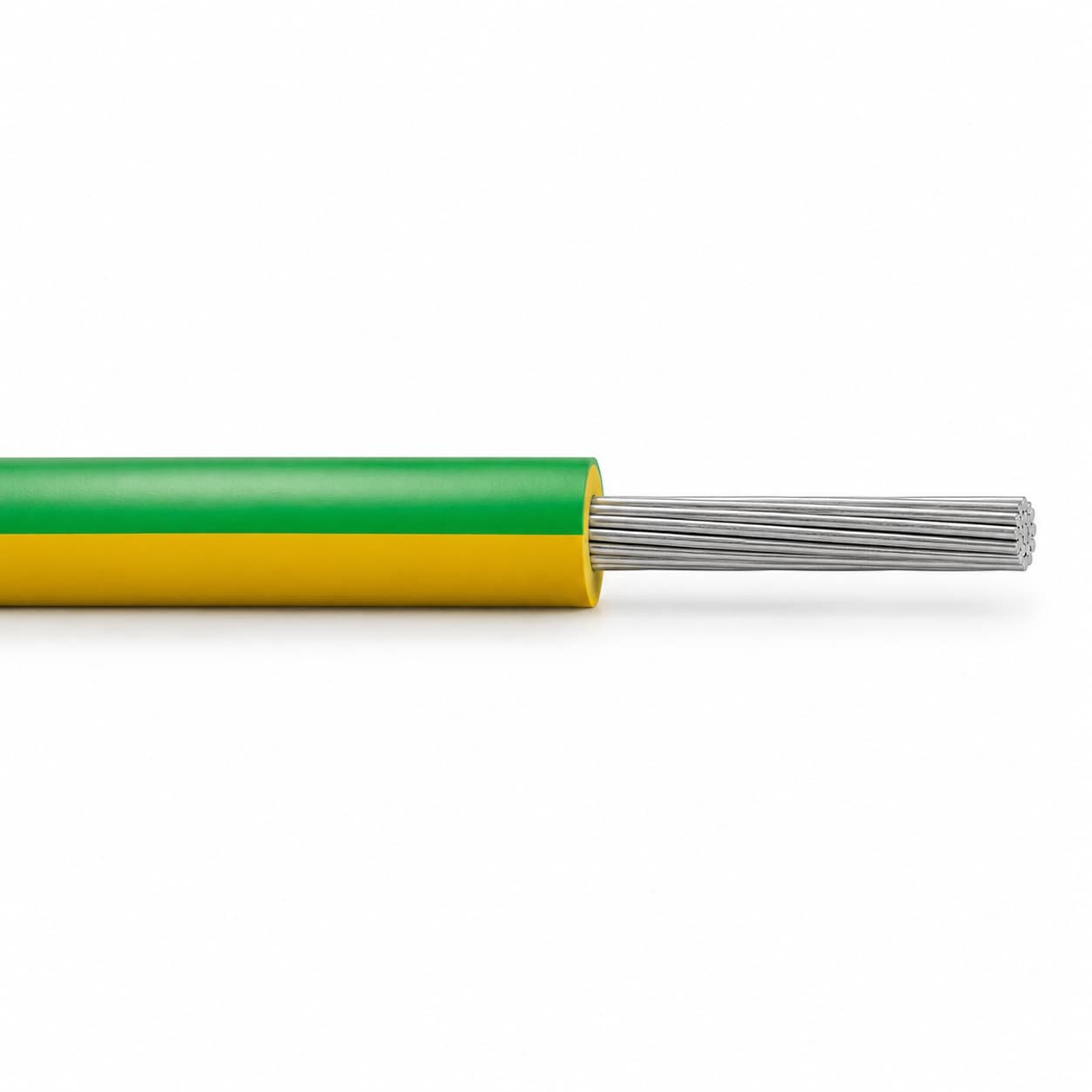
SiF Silicone 180, одножильный
- Гибкая луженая медь 5-го класса
- −60°C…+180°C, силикон
- Безгалогенный, зола SiO₂ после горения
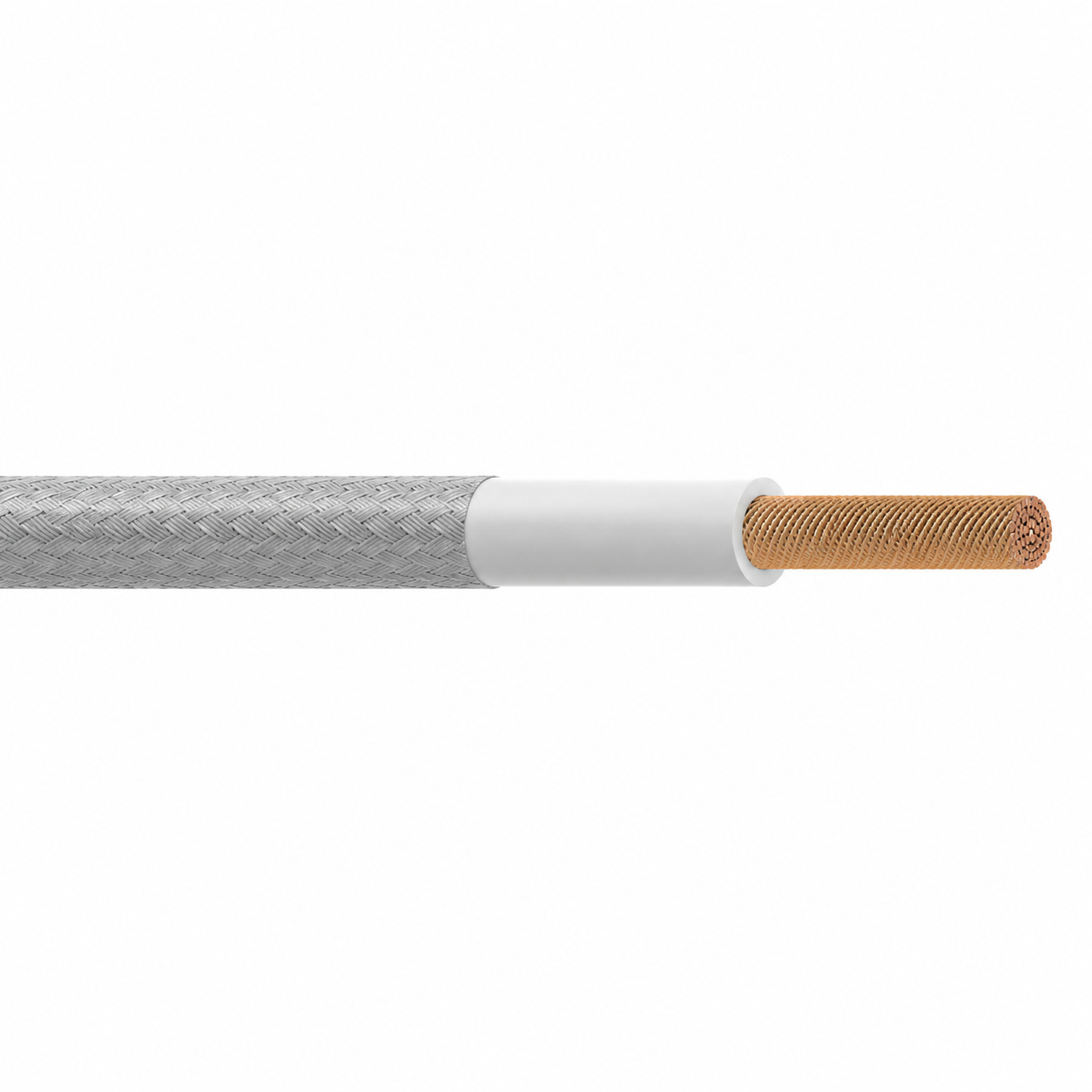
Силикон SIAF/GL со стекловолоконной оплёткой
- Силиконовая жила, стекловолоконная оплётка
- Защита от истирания при нагреве
- Проводка панелей, печей и светильников
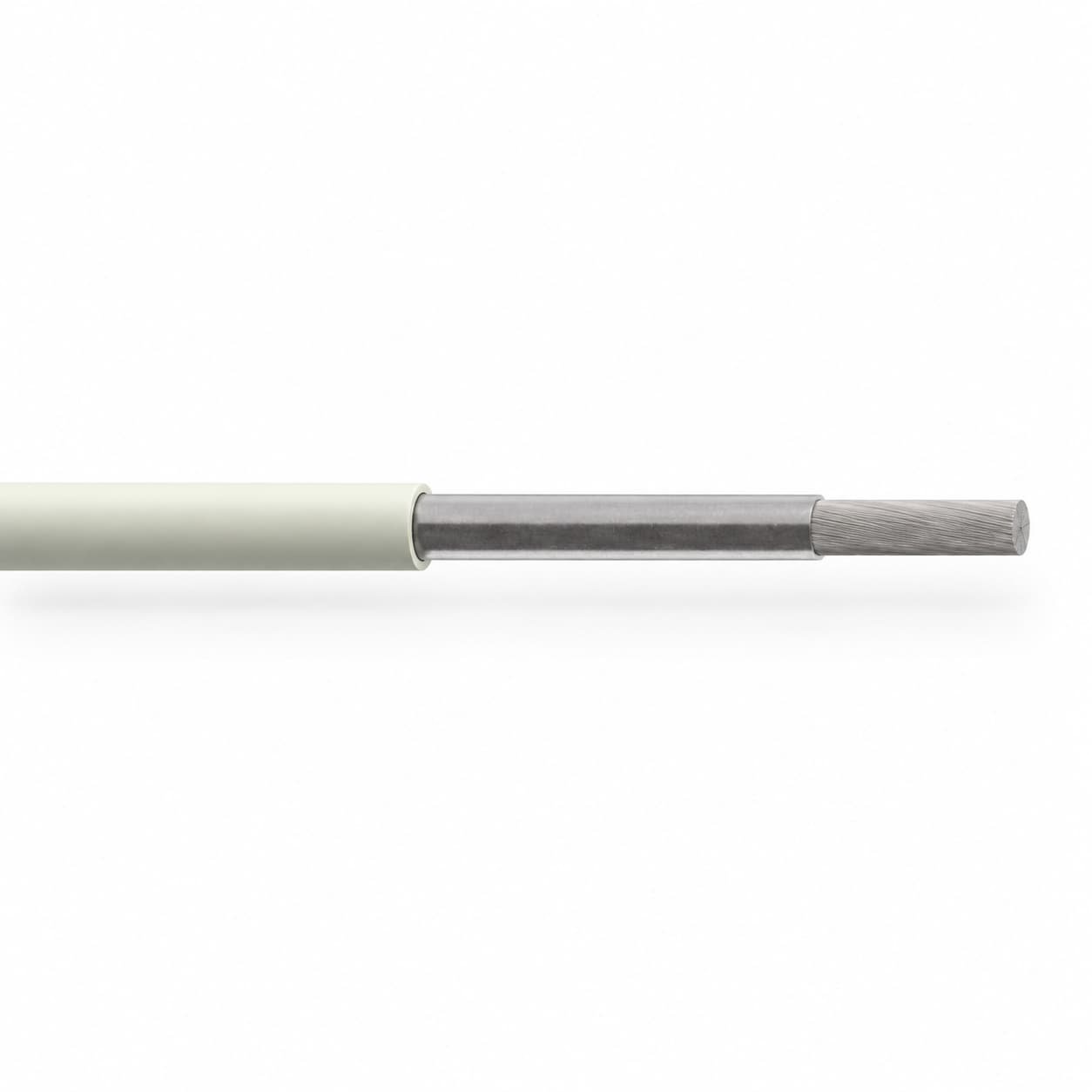
Провод оборудования PFA Intemp 250 BS G210
- PFA поверх никелированной меди
- Британская аэрокосмическая линия BS G210
- Жгуты приборов и оборудования
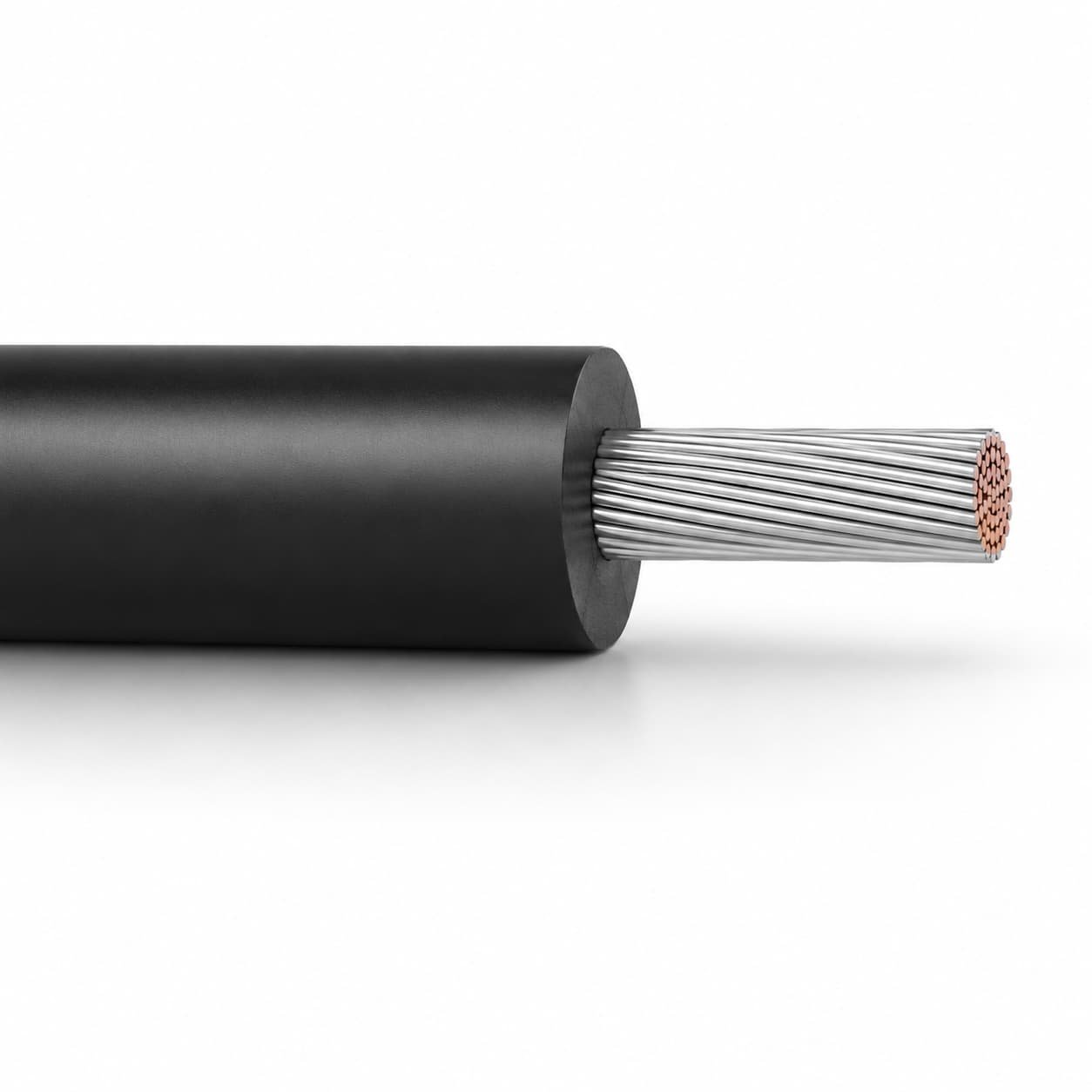
Силиконовый резиновый кабель без оплётки, 5 kV
- Одножильный, без оплётки
- 200°C длительно
- Выводы трансформаторов и цепей зажигания
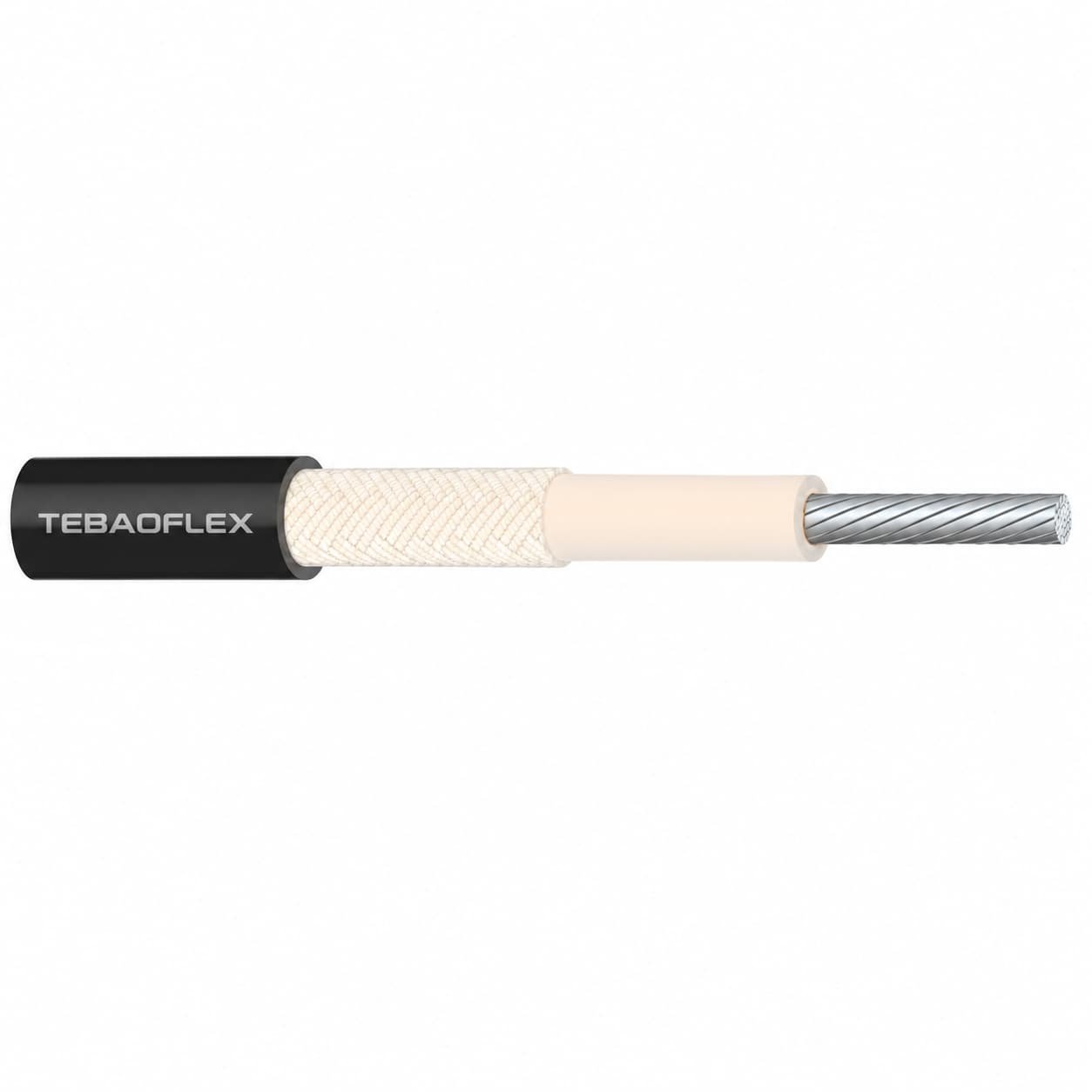
Провод зажигания типов 3304 и 3573
- Силиконовая резиновая изоляция 10 kV
- Стекловолоконная оплётка и оболочка
- Зажигание горелок и двигателей
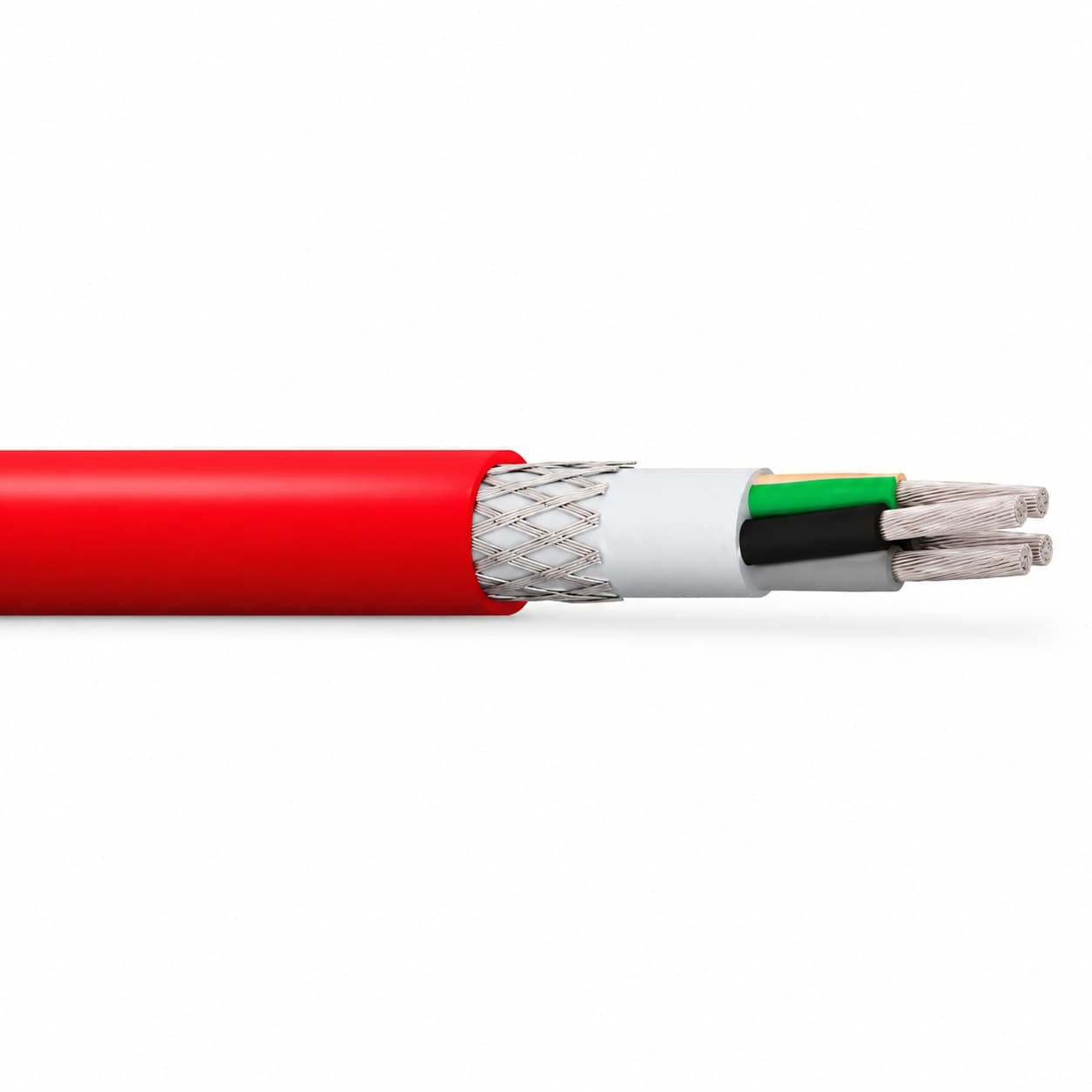
Экранированный силикон SiHFC 180
- Многожильный кабель с медной оплёткой-экраном
- 180°C длительно
- Приводы, датчики и горячие контуры управления
Европейские обозначения: те же материалы, другой словарь
Всё выше изложено в номерах типов UL AWM, потому что так Северная Америка покупает высокотемпературные провода. Европа приобретает те же материалы по обозначению типа — VDE, EN 50525, BS — и запрос SiHF означает изделие, которое мы также выпускаем. В индексе собраны наиболее частые обозначения.
| Обозначение | Что это | Где применяется |
|---|---|---|
| SiF | Одножильный силикон, гибкость класса 5, лужёная медь, −60 °C…+180 °C, без галогенов | Европейский стандарт для горячей одножильной проводки |
| SIA / SIAF | Силиконовая изоляция со сплошной (SIA) или многопроволочной (SIAF) жилой | Стационарная высокотемпературная проводка |
| H03S-K | Одножильный силикон без оболочки, 300/300 V, испытание 2 kV | Печи, электроплиты и внутренняя проводка приборов |
| SiHF-J | Гибкий многожильный силиконовый кабель, 300/500 V | Подключение приборов без механической нагрузки |
| SiHF-P | Многожильный силиконовый кабель с оплёткой из оцинкованной стальной проволоки, 300/500 V | Тот же кабель там, где на него наступают |
| SiFCuSi | Экранированный силикон, 300/500 V | Горячая проводка, где также важна ЭМС |
| SIAF-GL | Силикон со стекловолоконной оплёткой | Для мест трения; аналог VDE конструкции UL 3122 / 3513 |
| 2GTL | Безгалогенный одножильный силиконовый вывод двигателя, 1.1/1.9 kV до 13 kV | Трансформаторы, генераторы и обмотки двигателей — единственный представитель среднего напряжения в списке |
| H05GG-F | Гибкая резина по EN 50525, 300/500 V | Обычная эксплуатация: приборы, кухни, переносные инструменты |
| H07G-U / -R / -K | EVA Изолированный, 450/750 V: класс 1 однопроволочный, класс 2 многопроволочный, класс 5 гибкий | Защищённая внутренняя стационарная проводка |
| Провод tri-rated H05V2-K / H07V2-K | Термостойкий и огнестойкий ПВХ по BS 6231 тип CK | Распределительные устройства, панели управления, реле и КИП |
Стоит выделить два типа. 2GTL единственный представитель среднего напряжения: если вы подключаете трансформатор или обмотку генератора выше 1 kV, смотрите его — ни один из типов UL выше не рассчитан на этот уровень. А трёхстандартный кабель из ПВХ, а не эластомера; он включён, потому что конкурирует за ту же позицию в панельной проводке, а не потому, что является высокотемпературным кабелем в смысле этой страницы.
Работаете по европейской спецификации и не знаете, какое обозначение соответствует предложенному типу UL? Пришлите оба — мы сопоставим их. Часто они неэквивалентны, и различие обычно в температурном или токопроводящем классе, а не в материале.
Полный ассортимент представлен в нашем каталоге промышленных кабелей.
От применения к рекомендации
Покупатели редко приходят с номером типа — они приходят с машиной. Таблица связывает наиболее частые применения с конструкцией, которая их выдержит.
| Применение | Что выводит обычный провод из строя | Рекомендуемая конструкция |
|---|---|---|
| Проводка в зонах печей | Лучистое тепло и истирание о стальную конструкцию | Силикон со стекловолоконной оплёткой, UL 3122 или 3513, 200°C |
| Выводы двигателей и генераторов | Нагрев обмотки и постоянные изгибы у выхода | Силикон класса 5 или 6, UL 3135 / 3512 либо SiF 180 |
| Жгуты промышленных печей и сушилок | Длительная выдержка 150–200°C и термоциклы | Силикон 200°C либо FEP 1330 / 1901 при ограниченной толщине стенки |
| Выводы электронагревателей и термопар | Температура жилы выше 200°C: олово плавится | PFA 1727 / 10362 на никелированной меди, 250°C |
| Полупроводниковые и химические предприятия | Воздействие растворителей и кислот, ограничения по газовыделению | PTFE 1199 / 1584 либо PFA 10371 на 1000 V |
| Распределительные устройства и панели управления | Ограничения по галогенам и дыму, нагрев панели | XLPE / XLPO 3266 или 3173, 125°C, без галогенов |
| Фотоэлектрические цепочки и накопители энергии | УФ, напряжение постоянного тока и длительный срок службы | XLPO UL 3173 либо XLFE ISO 19642 для 1500 VDC |
| Высоковольтный жгут для электромобилей и батарей | 1000 VAC / 1500 VDC в горячем моторном отсеке | XLFE ISO 19642-5 без экрана или -9 экранированный, 3–150 mm² |
| Запальники факельных установок и горелок | Импульсы 25 kV, температура жилы до 538°C | Провод зажигания со стекловолоконной оболочкой, 25 kV DC / 17 kV AC |
| Нагревательные элементы и нагретые поверхности | Провод является нагревателем, а не питающей линией | Силиконовый нагревательный провод UL 3590, сопротивление под заказ |
Как задать спецификацию высокотемпературного провода в пяти пунктах
Пришлите эти пять параметров — мы рассчитаем предложение без единого уточняющего письма. Если чего-то не хватает, расчёт задержится на три дня.
1. Фактическая горячая точка
Это не температура окружающей среды и не класс шкафа, а температура жилы в данной точке машины при полной нагрузке летом. Если вы её не измеряли, сообщите — мы заложим запас.
2. Рабочее и испытательное напряжение
Номинальное рабочее напряжение и требуемое типовое испытательное напряжение. В высоковольтных исполнениях именно испытательное напряжение часто определяет толщину стенки.
3. Режим изгиба
Стационарный жгут, редкие изгибы при обслуживании или непрерывное движение? От ответа зависят класс скрутки 5/6 и выбор силикона или PTFE.
4. Механическое и химическое воздействие
Истирание о сталь, масло, растворитель, охлаждающую жидкость, сварочные брызги и УФ. Это определяет, нужна ли поверх изоляции стекловолоконная оплётка или фторполимерная оболочка.
5. Требуемые подтверждения
Номер типа UL AWM, cUL, VDE, CE с RoHS и REACH либо спецификация заказчика. Сообщите требование — до обязательств мы подтвердим область соответствия.
И ещё один пункт
Длина и упаковка. MOQ — 50 m; барабаны бывают стальными, стально-деревянными, деревянными или экспортными пластиковыми, бренд можно напечатать на кабеле и барабане.
Стандарты, сертификация и испытания
Мы завод, а не торговая компания, поэтому данные испытаний получены на собственных стендах. Восемь высокоточных станций контролируют путь от входящей меди и компаунда до готового барабана; каждая партия проверяется перед отгрузкой.
UL и cUL
Сертификат UL UL-US-2449012-0 и сертификат cUL UL-CA-2437036-0, оба от 27 декабря 2024 г., отчёт E542560-20241225.
VDE
Сертификат VDE 40060055 от 28 марта 2025 г. Европейские конструкции имеют маркировку CE и соответствуют RoHS и REACH.
Доверие — не метод испытаний. Запросите отчёт по приобретаемому типу — мы отправим его вместе с предложением, а не после заказа.
Почему стоит покупать высокотемпературный провод у TEBAOFLEX
Мы выполняем экструзию сами
Двенадцать автоматизированных линий на одном заводе выполняют смешение резины, экструзию, оплётку, скрутку и упаковку. Мы ничего не отдаём на сторону для последующей перемаркировки.
Мы испытываем каждую партию
Восемь испытательных стендов и полный контроль качества от входного сырья до готового кабеля; спецификации ведут более 30 инженеров.
Мы изготовим его по вашему типу
Более 50 конструкций UL AWM и исполнений VDE, EN и BS. OEM/ODM-печать на кабеле и барабане, индивидуальные конструкции по запросу.
Сначала поставляем небольшую партию
MOQ 50 m и бесплатные образцы позволяют проверить провод до запуска серии. Срок 10–30 дней подтверждается до заказа.
Запросить предложение на высокотемпературный провод
Пришлите номер типа или просто опишите машину и горячую точку. Инженеры ответят конструкцией, паспортом и ценой; если запрошенный тип не подходит, мы скажем об этом.
WhatsApp: +86 156 3992 7303
Электронная почта: sales@tebaoflexcablegroup.com
MOQ 50 m · бесплатные образцы · OEM/ODM · срок 10–30 дней · поддержка инженеров 24/7
Частые вопросы о высокотемпературном проводе
Какой провод рассчитан на самую высокую температуру?
Для монтажных проводов практический предел — 250°C с PTFE, PFA или силиконовой серией 3253. Выше применяют стекловолокно и слюду: провод зажигания со стекловолоконной оболочкой рассчитан на 538°C (1 000°F) по жиле, но это специализированное изделие, а не общий силовой провод.
Что лучше для высокотемпературного провода: силикон или PTFE?
Силикон — если нужна гибкость и многократные изгибы; PTFE — при необходимости тонкой стенки, химической инертности или тесного разъёма. Старшие исполнения обоих материалов достигают 250°C. Силикон легко царапается и часто требует стекловолоконной оплётки; PTFE жёстче и требует большего радиуса.
Что означает UL AWM на проводе?
AWM — сокращение от Appliance Wiring Material, материала для проводки приборов. Номер типа UL AWM обозначает признанную конструкцию и фиксирует материал изоляции, температурный и номинальный классы напряжения. Указание UL 3135 сообщает производителю гораздо больше и быстрее, чем описание силиконового провода одной фразой.
В чём разница между UL 3132, 3133 и 3135?
Все три имеют силиконовую изоляцию: UL 3132 — 150°C/300 V, UL 3133 — 150°C/600 V, UL 3135 — 200°C/600 V. Толщина стенки и марка компаунда меняются с классом, а жила может быть одинаковой.
Можно ли использовать лужёную медь в проводе на 250c?
Нет. Олово плавится при 232°C, поэтому изоляция 250°C поверх лужёной меди выйдет из строя по жиле раньше полимера. В проводах выше 200°C применяют никелированную медь, и это покрытие во многом объясняет разницу в цене между классами 200°C и 250°C.
Какой высокотемпературный провод использовать для нагревательных элементов?
Здесь два ответа. Для питания нагревателя используйте PFA UL 1727 или 10362 на 250°C с никелированной медью. Если провод сам является нагревателем, нужен резистивный UL 3590: сплав на стекловолоконном сердечнике с силиконовой изоляцией, сопротивление 0,5–12 000 Ом.
Поставляете ли вы высокотемпературный провод в AWG или мм²?
Оба варианта. Типы UL AWM указываются в AWG, обычно AWG 36–10, а силикон со стекловолоконной оплёткой — до 400 MCM. Европейские и IEC-конструкции задаются в мм², от 0,5 до 240 мм² и выше по запросу.
Какое напряжение выдерживает высокотемпературный провод?
Силиконовый провод UL 3239 выпускается для 3–60 kV DC при 200°C; толщина стенки растёт с 0,50 до 3,11 мм. Запальные конструкции рассчитаны до 25 kV DC / 17 kV AC. Стандартные монтажные типы ограничены 600 V или 1000 V.
Каков минимальный заказ на высокотемпературный провод?
50 метров. Мы предпочитаем, чтобы вы проверили короткий отрезок на реальной машине, прежде чем заказывать барабан. Образцы бесплатны, оплачивается только их перевозка; срок производства — 10–30 дней, подтверждается до заказа.
Можете ли вы изготовить изделие по моей спецификации?
Да. OEM и ODM — обычная практика: ваша конструкция, цвета и печать бренда на кабеле и барабане. Пришлите чертёж или паспорт конкурента, и наша инженерная команда предложит конструкцию и план образцов.
Связанные кабельные решения
- Открыть полный каталог промышленных кабелей TEBAOFLEX
- Характеристики одножильного силиконового кабеля SiF 180
- Силиконовый кабель SIAF/GL со стекловолоконной оплёткой
- Провод оборудования PFA Intemp 250 BS G210 на 250°C
- Все кабельные решения TEBAOFLEX по отраслям
- Высоковольтные силиконовые кабели, 1,8–125 kV DC
- Проектный кейс: экранированный силиконовый HV-кабель для испытательного фургона