

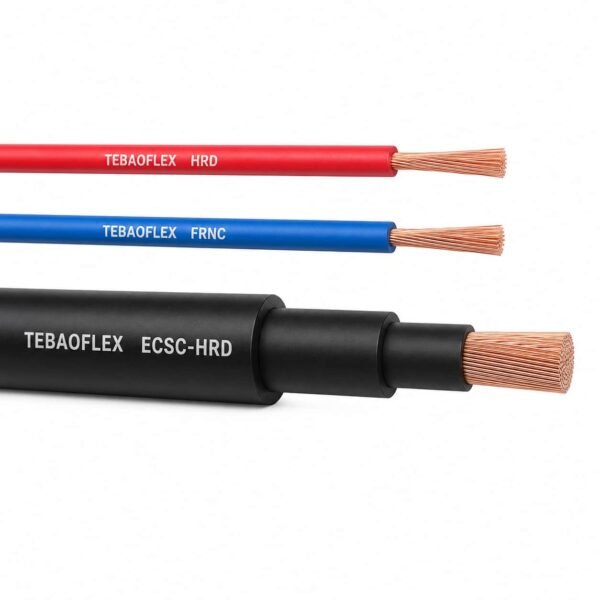
Cable de silicona de alta resistencia 180°C, HRD / FRNC / 1500 V CC
Los núcleos individuales de silicona para los tres trabajos de silicona estándar no pueden hacer: resistencia mecánica, rendimiento de incendios y 1,500 V DC.
- HRD: silicona de alta resistencia mecánica, 300/500 V, 0.5–6 mm²
- FRNC: sin halógenos, baja emisión de humo, baja corrosividad, llama vertical, 300/500 V, 0,5–2,5 mm²
- ECSC-HRD: aislado y derramada, 1,000 V AC / 1,500 V DC, 10–630 mm²
- Temperatura: −60 °C a +180 °C (ECSC-HRD de −40 °C)
- Conductor: IEC 60228 clase cobre flexible 5; clase 2 bajo petición
- Recubrimiento: desnuda, estañado, níquel, plata o níquel puro
- Opciones: pantalla trenzada de cobre estañado; doble aislamiento; todos los colores
Cuéntanos qué problema tienes: mecánica, fuego o voltaje, y la sección transversal.
El alambre de silicona ordinario se compra por una razón: permanece flexible y sobrevive al calor. También es, sin modificar, fácil de desgarrar, fácil de nick, y valorado 300/500 V. Esta página es sobre los tres lugares que no es suficiente, y los tres compuestos que los fijan, todos en la misma familia de silicona −60 °C a +180 °C, en la clase IEC 60228 cobre flexible 5.
HRD — fuerza mecánica. Silicona formulada para resistir desgarro, abrasión y corte, en 0.5–6 mm². Para el cable que se tira por el bastidor de una máquina, se sujeta y lo manipulan personas que no están pensando en ello.
FRNC — rendimiento de incendios. Compuesto que añade baja corrosividad, baja densidad de humo y resistencia a la propagación vertical de la llama a la base sin halógenos. Para lugares donde las personas deben evacuar: ferrocarril, entornos marinos, túneles y edificios públicos.
ECSC-HRD — tensión. Aislamiento de silicona más una vaina de silicona de alta resistencia, valorada 1,000 V AC / 1,500 V DC y disponible desde 10 hasta 630 mm². Este es el único estándar de silicona de un solo núcleo no puede hacer, y es por eso que la construcción tiene dos capas en lugar de una.
Los tres son libres de halógenos a IEC 60754-1. Los tres vienen con la misma opción de chapado de conductor — desnuda, estañado, níquel, plata o níquel puro— y una pantalla de cobre trenzado opcional.
Si su aplicación está cómodamente dentro de 300/500 V sin ningún requisito mecánico o de fuego en particular, compre el producto estándar en su lugar: SiF, núcleo único de silicona es más barato y realiza la misma función. Consulte esta opción cuando el modelo estándar ya haya fallado o cuando la especificación lo exija. Si aún no se ha decidido por la silicona, nuestro cable de alta temperatura resumen lo compara con los fluoropolímeros y las poliolefinas reticuladas.
Cuéntanos cuál de los tres problemas que tienes, mecánica, fuego o tensión, y la sección transversal. Eso es suficiente para citar.
Tres productos, una familia material. El conductor y el rango de temperatura son compartidos; qué cambios es el compuesto de silicona y, en un caso, si hay una segunda capa de él.
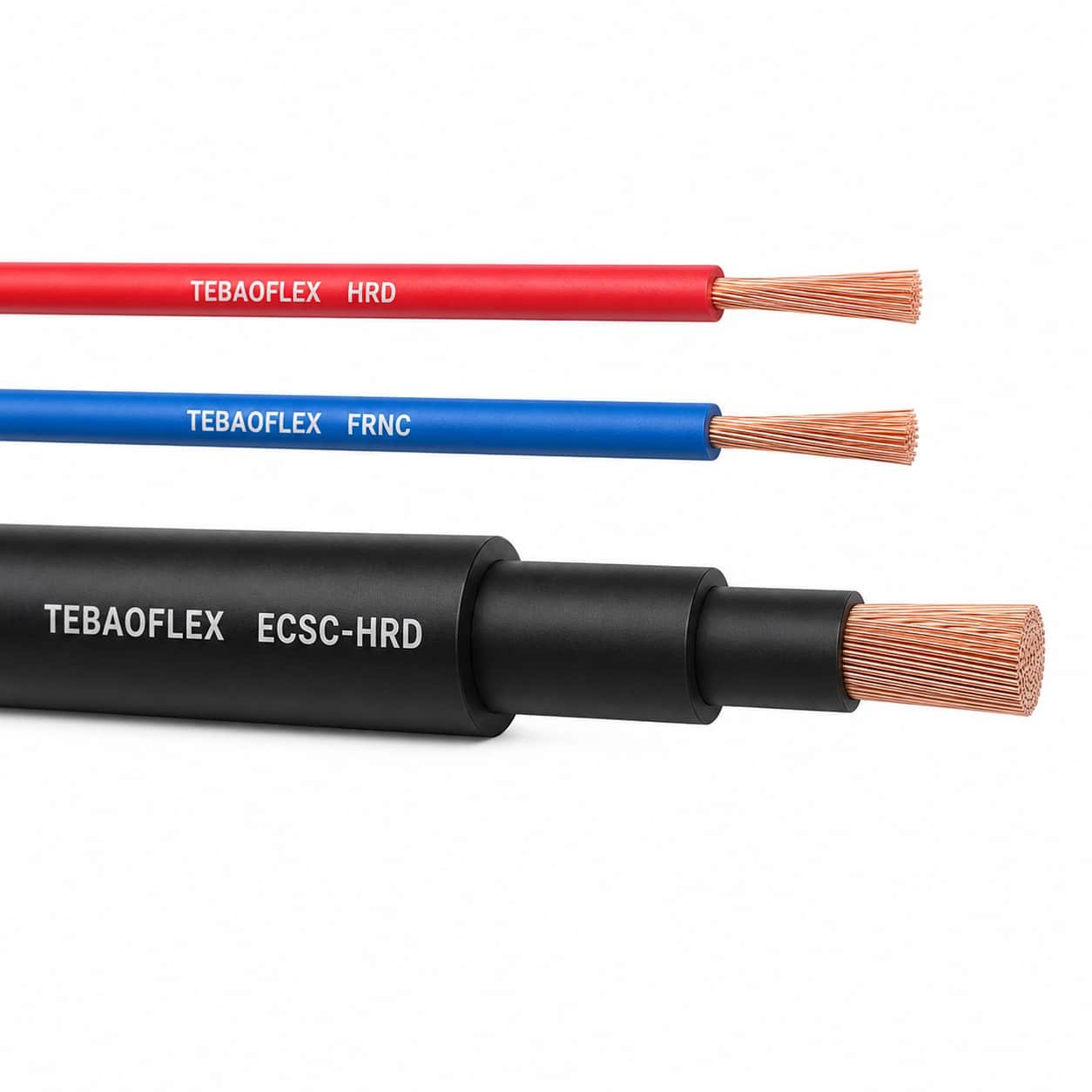
HRD — el compuesto es el producto
- Conductor: cobre flexible, IEC 60228, clase 5, desnudo o estaño.
- Aislamiento: Caucho de silicona formulado para propiedades mecánicas - fuerza de lagrima, corte y abrasión.
Solo dos elementos, y el compuesto lo explica todo. La silicona estándar es un caucho blando y muy elongable: soporta bien el calor, pero un destornillador la daña con facilidad. El compuesto HRD sacrifica parte de esa suavidad para aportar la tenacidad que permite pasar el cable por un bastidor, sujetarlo y manipularlo en una línea de montaje sin que una muesca se convierta en un fallo tres años después.
FRNC — el compuesto es el certificado
- Conductor: la misma clase 5 cobre flexible, desnudo o chapado de lata.
- Aislamiento: Caucho de silicona formulado para comportamiento frente al fuego.
Estructuralmente es idéntico al HRD, pero químicamente no lo es; las tablas dimensionales muestran la diferencia. Un cable HRD de 0.5 mm² y uno FRNC de 0.5 mm² tienen exactamente el mismo diámetro de 2.1 mm y la pared 0.6 mm, y el FRNC pesa 8.7 kg/km contra 7.8. Ese 11 % extra es relleno mineral haciendo el fuego. Mismo geometría, material diferente, y se puede ver en el puente de pesaje.
ECSC-HRD — por qué 1.000 V necesita dos capas
- Conductor: cobre estañado flexible, clase 5.
- Aislamiento: goma de silicona — la dieléctrica.
- Cubierta: goma de silicona con propiedades mecánicas - la armadura.
Se pide que un núcleo de silicona de una sola capa sea una buena dieléctrica y una superficie exterior dura a la vez, y un compuesto no puede ser optimizado para ambos. Dividir el trabajo permite que la capa interior sea elegida puramente para la fuerza dieléctrica y la exterior puramente para la dureza, lo que hace 1,000 V AC / 1,500 V DC y una tensión de prueba 3,500 V alcanzable en un cable de silicona flexible en absoluto. También sobrevive lo que el producto de una sola capa no: ácidos y bases, aceite mineral y repetidas curvas alternas.
La escalera de yeso
Las tres construcciones toman las mismas opciones de conductor, y cada rancio compra algo específico:
- Cobre desnudo — el defecto, la mejor conductividad, más barato. Oxidisis en el final de corte con el tiempo.
- Estañado — soldabilidad y una superficie estable de crimp. La elección habitual, y la que más especificaciones asumen.
- Niquelado — para la parte superior del rango de temperatura y para atmósferas que atacan lata.
- Plateado - menor resistencia al contacto y mejor comportamiento de alta frecuencia; evitar dónde está presente el azufre.
- Níquel puro — no un plating en absoluto, sino un conductor de níquel sólido, y no se describe en IEC 60228. Para el caso extremo. Espere una pena de resistencia y díganos la corriente antes de elegirla.
Opciones que cambian la construcción
A pantalla trenzada de cobre se puede aplicar sobre cualquiera de los tres. Doble capas aislantes están disponibles en los productos de 300/500 V donde el deber mecánico es severo, pero el voltaje no es. Los conductores pueden ser suministrados clase 2 varado en lugar de clase 5 donde la carrera es fija y cuesta más que flexibilidad; el diámetro y la pared permanecen igual, sólo el varado y el cambio de resistencia.
Estos son todos cables de cableado interno y equipo, no cables de instalación. Viven dentro de máquinas, armarios y recintos donde la temperatura es alta, el espacio es apretado, y la persona que hace el cableado está funcionando rápidamente.
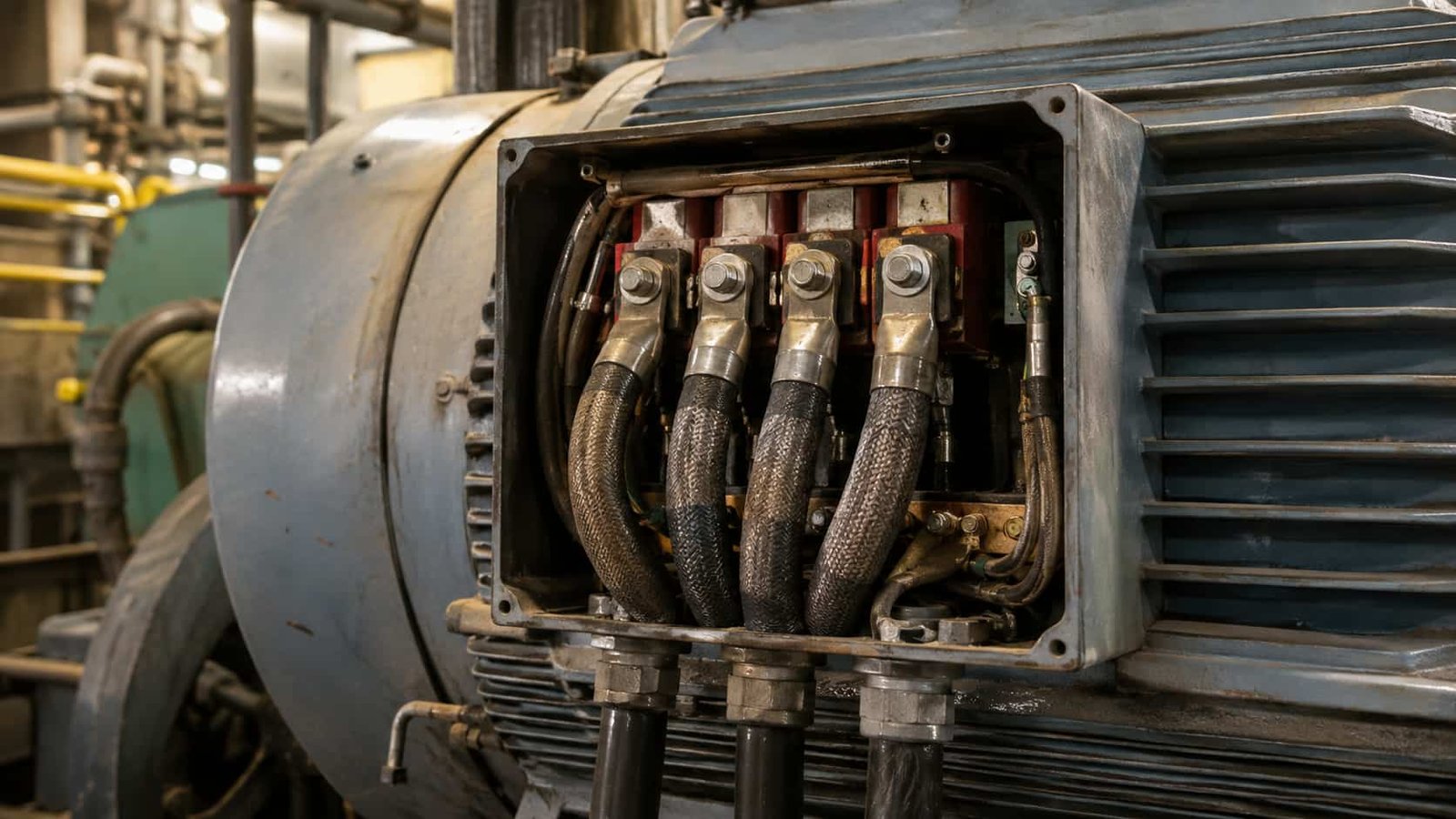
Donde cada uno va
| Aplicación | Construcción | ¿Por qué? |
|---|---|---|
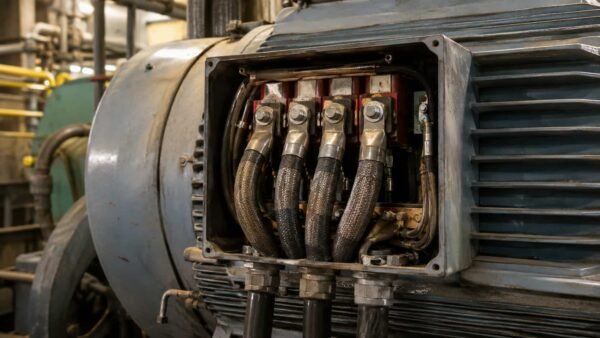
| Máquinas giratorias — motores, alternadores, generadores, sistemas de aislamiento de clase H | HRD, o ECSC-HRD sobre 500 V | Las pistas de viento son tiradas, vestidas y sujetadas; el alambre tiene que sobrevivir montaje y servicio |
| Electrodomésticos y aparatos de calefacción comerciales | HRD | 180 °C con un alambre que no se desgarra durante el montaje automatizado |
| Iluminación - luminaria y cableado | HRD o FRNC | Calor en el extremo de la lámpara; funcionamiento de fuego donde el ajuste está en un espacio público |
| Cableado industrial en ambientes calientes | HRD | hornos, secadores, hornos, equipo de fundición |
| Ferrocarril, marítimo, túneles, edificios públicos | FRNC | La densidad de humo y la corrosividad de gas son lo que la especificación es en realidad prueba |
| Máquinas estaticas — transformadores, inductores, inversores, helicópteros | ECSC-HRD | 1,000 V AC y una vaina que tolera la impregnación y el manejo |
| Conmutadores y armarios de energía | ECSC-HRD | Grandes secciones transversales en armarios apretados; el 5 × D doble radio es la razón por la que cabe |
| Almacenamiento de energía de la batería | ECSC-HRD | 1,500 V DC es la calificación del lado DC de un sistema de almacenamiento necesita, y silicona le da en un cable que se dobla |
Libre de halógenos, retardante de llama y humo bajo son tres cosas diferentes
Se escriben en especificaciones como si fueran un requisito, y se prueban por tres estándares separados que miden tres resultados separados:
- Libre de halógenos (IEC 60754-1) pregunta cuál es el compuesto de los - cuánto gas ácido halógeno puede liberar. Tanto HRD como FRNC pasan esto.
- Corrrosividad de gas (IEC 60754-2) pregunta cómo corrosivo el humo es - si la electrónica en la habitación sobrevive el fuego incluso si el edificio lo hace.
- Densidad del humo (IEC 61034-2) pregunta cuánto puede ver a través de ella — la propiedad que decide si la gente encuentra la salida.
- Propagación de la llama (IEC 60332-1-2) pregunta si el fuego viaja a lo largo del cable En algún lugar no lo era.
HRD es libre de halógenos. FRNC es libre de halógenos y los otros tres. Si tu especificación nombra un estándar de humo o corrosividad, solo libre de halógeno no lo satisface, y un proveedor que responde “sí, es libre de halógeno” a una pregunta de densidad de humo no ha respondido a la pregunta.
Elegir entre ellos, en una pregunta cada uno
- ¿El alambre será manejado, tirado o sujetado durante el montaje, o frota contra cualquier cosa en servicio? Si es así, HRD.
- ¿Hay una especificación que nombra humo, corrosividad o propagación de llamas, o la gente necesitará evacuar más allá de este cable? Si es así, FRNC.
- ¿Es el voltaje de trabajo por encima de 500 V, o es un autobús DC? Si es así, ECSC-HRD, y nada más en esta página hará.
- ¿Nada de lo anterior? Comprar estándar SiF, núcleo único de silicona y pasar la diferencia en otro lugar.
¿Por qué no
- No cables de instalación fijos. Estos son equipos y cables de cableado interno. La instalación de edificios es una familia diferente de estándares.
- No UL AWM. Estos son IEC y estándares europeos. Si su equipo está certificado en América del Norte desea un estilo UL — ver Cable de conexión de silicona UL.
- No es una cadena de arrastre o cable de carrete. Clase 5 y buen comportamiento alternativo no son los mismos que una vida flex nominal.
- No es un elemento de calefacción. Estos llevan corriente en algún lugar; para alambre que convierte la corriente en calor alambre de calefacción de goma de silicona.
- No es una ventaja de alta tensión. 1,500 V DC es el techo aquí. Arriba que ver cable de silicona de alta tensión.
Los tres edificios comparados
| Propiedad | HRD | FRNC | ECSC-HRD |
|---|---|---|---|
| Lo que resuelve | Fuerza mecánica | Comportamiento frente al fuego | Tensión |
| Tensión asignada | 300/500 V | 300/500 V | 1,000 V AC / 1,500 V DC |
| Tensión de ensayo | 2,000 V | 2,000 V | 3,500 V AC |
| Rango de temperatura | −60 °C a +180 °C | −60 °C a +180 °C | −40 °C a +180 °C |
| Construcción | Aislado | Aislado | Aislado + con cubierta |
| Conductor | Clase 5, desnuda o sellada | Clase 5, desnuda o sellada | Clase 5, estañado |
| Secciones transversales | 0.5 – 6 mm² | 0.5 – 2.5 mm² | 10 – 630 mm² |
| Libre de halógenos | Sí | Sí | Sí |
| Humo, corrosividad, llama | — | Sí, los tres. | Toxicidad de la llama y el humo bajo |
| Colores | Todos, incluidos dos colores | Todos, incluidos dos colores | Negro |
| Radio de curvatura | Bajo pedido | Bajo pedido | 5 × D (EN 50355) |
HRD — alambre aislado, conductor de clase 5
| Sección transversal (mm2) (mm²) | Cableado | Resistencia máxima en 20 °C (Ω/km) | Aislamiento (mm) | Diámetro (mm) | Peso (kg/km) |
|---|---|---|---|---|---|
| 0.5 | 16 × 0.20 | 39.0 | 0.6 | 2.1 | 7.8 |
| 0.75 | 24 × 0.20 | 26.0 | 0.6 | 2.4 | 11.0 |
| 1 | 32 × 0.20 | 19.5 | 0.6 | 2.5 | 13.3 |
| 1.5 | 30 × 0.25 | 13.3 | 0.6 | 2.8 | 18.2 |
| 2.5 | 50 × 0.25 | 7.98 | 0.7 | 3.4 | 29.0 |
| 4 | 56 × 0.30 | 4.95 | 0.8 | 4.2 | 45.8 |
| 6 | 84 × 0.30 | 3.30 | 0.8 | 4.8 | 65.5 |
El trenzado de clase 2 está disponible con los mismos diámetros y paredes: 0.5 mm² se convierte en 7 × 0.30 a 36.0 Ω/km y 6 mm² en 7 × 1.04 a 3.08 Ω/km. Menor resistencia, mucha menos flexibilidad.
FRNC — alambre aislado, conductor de clase 5
| Sección transversal (mm2) (mm²) | Cableado | Resistencia máxima en 20 °C (Ω/km) | Aislamiento (mm) | Diámetro (mm) | Peso (kg/km) |
|---|---|---|---|---|---|
| 0.5 | 16 × 0.20 | 39.0 | 0.6 | 2.1 | 8.7 |
| 0.75 | 24 × 0.20 | 26.0 | 0.6 | 2.4 | 12.0 |
| 1 | 32 × 0.20 | 19.5 | 0.6 | 2.5 | 14.3 |
| 1.5 | 30 × 0.25 | 13.3 | 0.6 | 2.8 | 19.5 |
| 2.5 | 50 × 0.25 | 7.98 | 0.7 | 3.4 | 30.7 |
Compare las dos mesas. Identical stringing, idéntica resistencia, pared idéntica, diámetro idéntico — y FRNC es 6 a 11 % más pesado a cada tamaño. Esa diferencia es el paquete de relleno de rendimiento de fuego, y es el único lugar en una hoja de datos donde se puede ver realmente que un compuesto ha cambiado. Si alguien le ofrece un silicona “FRNC” cuyos pesos coinciden con el producto estándar exactamente, pregunte qué prueba tienen.
ECSC-HRD — aislado y con cubierta, 1.000 V AC / 1.500 V DC
| Sección transversal (mm2) (mm²) | Diámetro máx. del filamento (mm) | Aislamiento (mm) | Cubierta (mm) | Diámetro del cable (mm) | Resistencia máxima en 20 °C (Ω/km) |
|---|---|---|---|---|---|
| 10 | 0.41 | 1.0 | 1.0 | 8.2 | 1.95 |
| 16 | 0.41 | 1.0 | 1.0 | 9.5 | 1.24 |
| 25 | 0.41 | 1.0 | 1.2 | 11.3 | 0.795 |
| 35 | 0.41 | 1.5 | 1.2 | 13.6 | 0.565 |
| 50 | 0.41 | 1.5 | 1.4 | 15.7 | 0.393 |
| 70 | 0.51 | 1.5 | 1.4 | 17.6 | 0.277 |
| 95 | 0.51 | 1.5 | 1.4 | 19.2 | 0.210 |
| 120 | 0.51 | 2.0 | 1.4 | 21.9 | 0.164 |
| 150 | 0.51 | 2.0 | 1.6 | 24.1 | 0.132 |
| 185 | 0.51 | 2.0 | 1.6 | 25.9 | 0.108 |
| 240 | 0.51 | 2.0 | 1.8 | 28.8 | 0.0817 |
| 300 | 0.51 | 2.7 | 1.9 | 33.4 | 0.0654 |
| 400 | 0.51 | 2.7 | 2.0 | 37.1 | 0.0495 |
| 500 | 0.51 | 2.7 | 2.0 | 40.2 | 0.0391 |
| 630 | 0.51 | 3.0 | 2.2 | 45.4 | 0.0292 |
El radio de curvatura es el titular aquí. En 5 × D, un cable 630 mm² en 45.4 mm diámetro exterior gira dentro 227 mm. Muy poco más en esa sección transversal y ese voltaje lo hará, y en un gabinete de poder que número decide si la terminación es cómoda o una pelea.
Opciones en los tres
| Opción | Lo que cambia |
|---|---|
| Conductor chapado en níquel | Parte superior del rango de temperatura; atmósferas que atacan lata |
| Conductor plateado | Resistencia al contacto más bajo; evitar donde el azufre está presente |
| Conductor de níquel puro | Temperatura extrema. No se describe en IEC 60228; espera una pena de resistencia |
| Pantalla trenzada de cobre | Pantalla eléctrica exterior sobre cualquiera de las tres construcciones |
| Doble capas aislantes | Margen mecánico adicional en los productos de 300/500 V |
| Clase 2 conductor | Mismos dimensiones, menor resistencia, mucha menor flexibilidad |
| Otras secciones transversales | Fuera de los cuadros anteriores —bajo petición |
Lo que cada compilación se prueba
| Norma | Lo que prueba | HRD | FRNC | ECSC-HRD |
|---|---|---|---|---|
| IEC 60228 clase 5 | Rodamiento de conductor y resistencia para cables flexibles | ✓ | ✓ | ✓ |
| IEC 60754-1 / EN 60754-1 | Libre de halógenos — gas ácido halógeno liberado por el compuesto | ✓ | ✓ | ✓ |
| IEC 60754-2 / EN 60754-2 | Corrosividad y acidez de los gases - si el equipo sobrevive al humo | — | ✓ | ✓ (toxicidad por humo bajo) |
| IEC 61034-2 / EN 61034-2 | Densidad del humo - si la gente puede ver la salida | — | ✓ | — |
| IEC 60332-1-2 / EN 60332-1-2 | Proliferación de llama vertical en un solo alambre aislado | — | ✓ | ✓ |
| NF C 32-070 ensayo C2 | La prueba de llama nacional francesa el mismo compuesto está calificado para | — | ✓ | — |
| NF C 15-100-1, AD 7 | Clase de influencia externa para inmersión temporal en el agua | — | — | ✓ |
| EN 50355 | Cables de material rodante ferroviario — la fuente de la figura del radio doblado 5 × D | — | — | ✓ |
Lea la tabla abajo de la columna FRNC
La razón por la que FRNC existe como un producto separado es que libre de halógeno es el más fácil de estas cuatro pruebas a pasar y el menos útil por su cuenta. Dice lo que el compuesto no está hecho. No dice nada sobre lo denso que es el humo, lo corrosivo que es, o si el fuego camina a lo largo del cable en el siguiente compartimento. Una especificación para un túnel, un barco o una estación nombre los otros tres, y sólo el compuesto FRNC está calificado para ellos.
La misma distinción existe en el lado UL de la valla, donde es más fácil de perder: un número de estilo UL AWM fija la clase material, la pared, la temperatura y el voltaje y dice nada sobre el contenido de halógenos o el humo. Consulte UL XLPE y XLPO cable de conexión para el mismo argumento en el vocabulario norteamericano.
Por el contrario, no pague por FRNC para satisfacer una cláusula libre de halógeno. HRD es libre de halógenos y más resistente. Combinar el producto con la cláusula que se escribe en realidad vale la pena hacer cuidadosamente aquí, porque los dos parecen idénticos en un catálogo y no son remotamente el mismo precio.
AD 7 es una línea muy útil
ECSC-HRD es clasificada AD 7 bajo NF C 15-100-1, que cubre inmersión temporal en agua. Para un cable cuyo trabajo principal está dentro de motores, transformadores y tableros de conmutación, que importa más a menudo de lo que suena: lavado, condensado en el fondo de un armario, y un pozo inundado son todas las cosas de las que se espera que este cable regrese. No es un cable sumergible y no debe ser especificado como uno, pero un charco no es un fracaso.
Lo que la hoja de datos no decide por usted
Las hojas de datos de silicona en esta familia están inusualmente completas en materiales y inusualmente tranquilas en la vida flex, porque “buena resistencia a la curva alternada” es una declaración cualitativa, no un recuento de ciclo. Si su aplicación dobla el cable en servicio — un eje en movimiento, un portador de cable, una puerta— que es una especificación diferente con una vida de ciclo probado, y vale la pena decirlo en la investigación en lugar de leer la dureza como calificación flex.
Qué necesitamos de usted para cotizar
- ¿Cuál de los tres problemas que tiene: mecánica, fuego o tensión
- Sección transversal, o la corriente y la longitud de ejecución
- Tensión de trabajo, AC o DC — esto solo decide si se requiere ECSC-HRD
- Cualquier llamado estándar de fuego en su especificación (smoke, corrosividad, llama), y el cuerpo certificador
- El revestimiento del conductor, y si los extremos son vendidos o carmecidos
- Color, proyección y puesta
Certificación TEBAOFLEX
Jiangsu TEBAOFLEX Special Cable Co., Ltd posee el certificado UL UL-US-2449012-0 y el certificado cUL UL-CA-2437036-0, ambos de fecha 27 de diciembre de 2024 según el informe E542560-20241225, y el certificado VDE 40060055 fechada el 28 de marzo de 2025. Son certificaciones a nivel de empresa. Las normas IEC y EN anteriores son regímenes de ensayo de tipo, no certificados: envíe la construcción y la sección transversal que desea pedir y confirmaremos las pruebas aplicables antes de que se comprometa.
Documentación suministrada con un pedido
- Dibujo de construcción con conductor, revestimiento, pared, vaina y dimensiones terminadas
- Evidencias de ensayo de tipo para las normas de fuego y materiales declaradas para la construcción
- Registros de ensayos rutinarios del lote de producción, incluido el ensayo de tensión aplicado
- Certificado de conformidad que hace referencia a las normas acordadas
- Carrete y lista de embalaje con detalle de marcación y longitud
Para conocer el alcance de una norma concreta, consulte directamente al organismo emisor — IEC.
Opciones de cable relacionadas
Compare estas opciones de cable según la combinación de funciones, el movimiento, la carga, la tensión y los requisitos de transmisión.
Cable flexible unipolar de silicona SiF 180
Una opción de cable relacionada para una aplicación o perfil de trabajo diferente.
Ver producto
Cable de conexión de silicona 105–250°C, 300–1000 V, estilos UL AWM
Una opción de cable relacionada para una aplicación o perfil de trabajo diferente.
Ver producto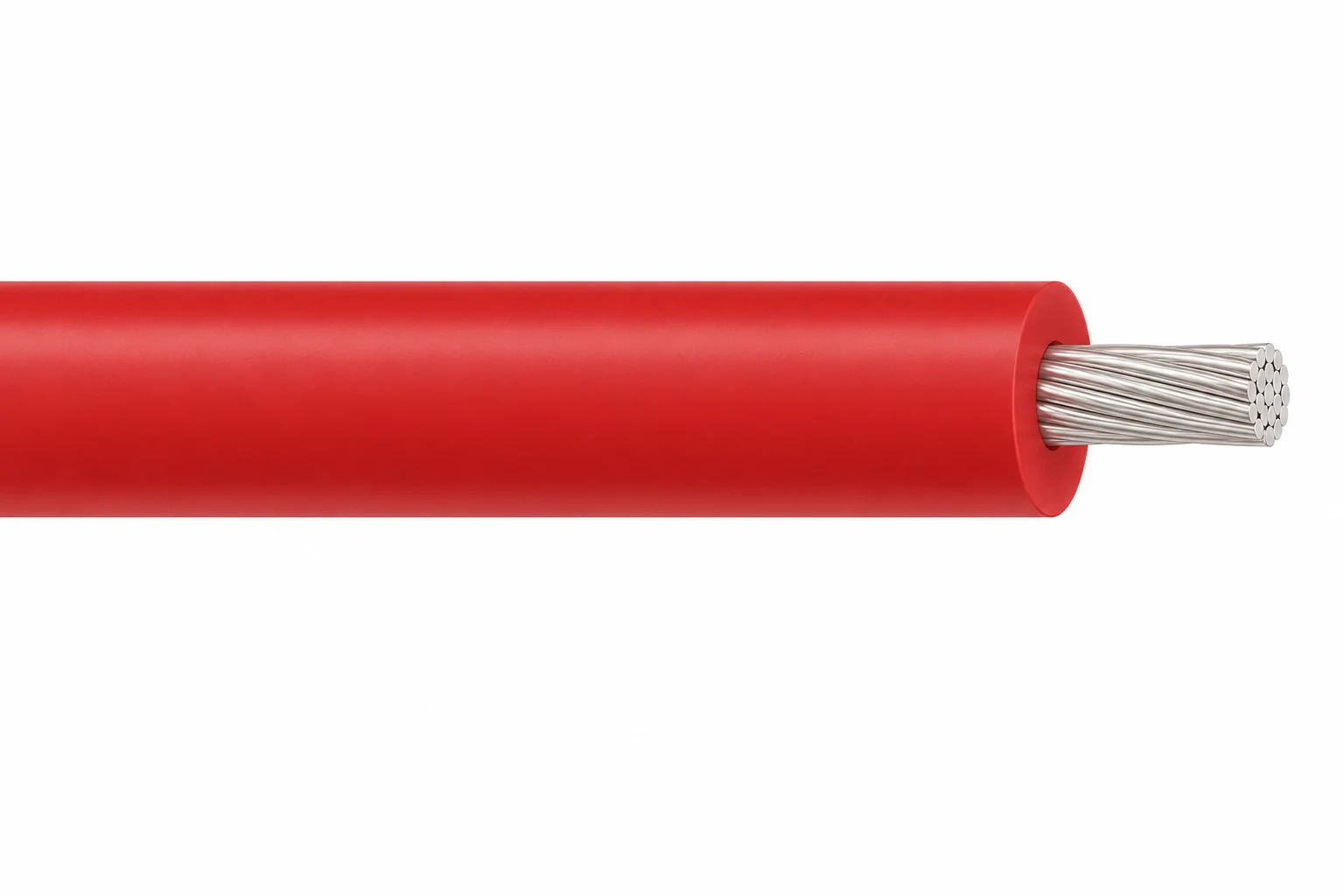
Cable de silicona de alta tensión, 3–60 kV DC
Una opción de cable relacionada para una aplicación o perfil de trabajo diferente.
Ver productoSolicite una recomendación y una cotización de cables.
Indique las funciones requeridas, la longitud del cable, las exigencias mecánicas, el entorno, el tipo de terminación y la cantidad. Nuestro equipo revisará la aplicación antes de preparar la cotización.
- Incluya el nombre del producto o SKU, así como la longitud y la cantidad de cable requeridas.
- Adjunte una especificación, un dibujo o una hoja de datos cuando esté disponible.