

Fil chauffant en caoutchouc silicone UL 3590, 200°C, 300 V
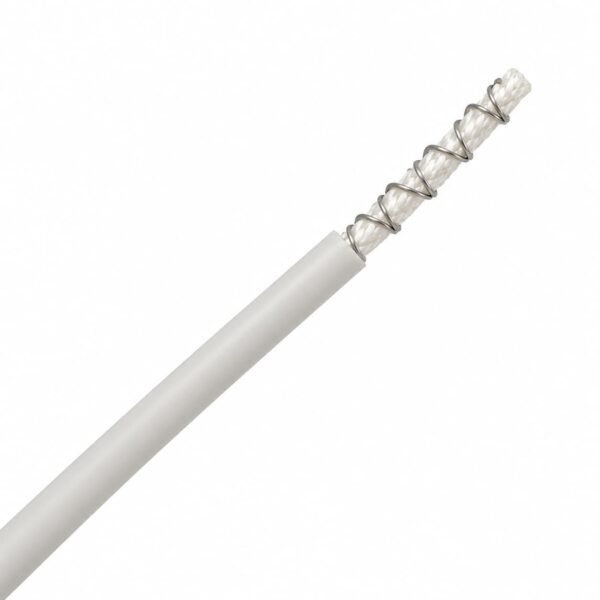
Fil pour éléments chauffants, et non fil de câblage. Filament en alliage résistif enroulé en spirale sur un noyau en fibre de verre, isolé au silicone. UL 3590, fabriqué selon la résistance que vous spécifiez.
- Style: UL AWM 3590, UL Subject 758
- Valeurs nominales : 200 °C, 300 V, flamme horizontale
- Élément: filament en alliage cuivre-nickel ou nickel-chrome, à partir de 0.0381 mm (0.0015 in)
- Noyau : fibre de verre, jusqu'à 1.30 mm
- Isolation : caoutchouc silicone, minimum moyen 0.38 mm
- Diamètre général: 2.00 ± 0.10 mm
- Résistance : sur commande, 0.5 à 12 000 Ω, tolérance ±7 %
- Utilisation: appareils de chauffage, réchauffeurs de carter, dégivrage en réfrigération, couvertures et tapis chauffants — pas pour des flexions répétées
Pour un devis, envoyez la tension de service, la puissance visée et la longueur de l'élément fini.
UL 3590 n'est pas un fil qui achemine l'énergie vers un autre point. C'est un fil qui transforme l'énergie en chaleur à l'endroit même où il se trouve. Cette seule différence change la construction, la spécification et l’achat; c’est pourquoi ce produit possède sa propre page au lieu d’être classé parmi nos fils de câblage silicone et le reste de la câble haute température gamme.
La construction est inhabituelle et délibérée : un fin filament en alliage résistif — cuivre-nickel ou nickel-chrome — est enroulé en spirale autour d'un noyau de fibre de verre, puis isolé en caoutchouc silicone. Le noyau reprend l'effort de traction mécanique, de sorte que le filament n'a qu'à conduire le courant ; grâce à la spirale, un mètre de fil fini contient plusieurs mètres d'alliage, ce qui permet de fabriquer un câble de 2 mm à presque n'importe quelle résistance demandée. Valeurs nominales : 200 °C, 300 V, flamme horizontale.
Parce que la résistance est le produit, il est fait à la commande plutôt que stocké. TEBAOFLEX le construit sur une très large gamme de résistance, tenue à ±7 %, dans la couleur que vous spécifiez.
La désignation d'utilisation propre de UL est plus large que la plupart des fournisseurs admettent: câblage interne pour appareils de chauffage, réchauffeurs de carter et dégivrage en réfrigération, à des emplacements non soumis à des flexions répétées. Les couvertures électriques et les tapis chauffants constituent l'application en volume ; les réchauffeurs de carter de compresseur et les éléments de dégivrage d'évaporateur sont ceux qui font que les OEM passent leurs journées au téléphone en octobre.
Maintenir un chemin d'écoulement ouvert depuis la rive du toit jusqu'à la gouttière et à la descente pluviale est une tâche différente du chauffage d'appareils : le câble chauffant autorégulant pour toitures et gouttières possède un noyau conducteur qui ajuste la production de chaleur locale en fonction de l'évolution des conditions.
Si vous avez en réalité besoin d'un fil pour transporter le courant à 200 °C au lieu de le dissiper, il vous faut à la place un fil de raccordement en silicone ou fil de silicone tressé fibre de verre de la rubrique câble haute température de notre catalogue.
Pour protéger contre le gel les tuyaux, réservoirs, toitures ou gouttières, comparez les configurations de câble chauffant autorégulant. Sa puissance varie selon la température locale; ce fil chauffant résistif UL 3590 se choisit selon une résistance électrique et une longueur d’élément définies.
Les raccordements de fils à l'intérieur d'équipements frigorifiques qui exigent une isolation PVC 600 V à 105°C constituent une tâche distincte, assurée par le fil PVC pour appareils UL 1056 avec son conducteur en cuivre multibrins et sa paroi PVC épaisse.
Envoyer la tension de fonctionnement, la puissance cible et la longueur de l'élément fini. Ces trois chiffres fixent la résistance, et la résistance est ce que nous construisons.
Trois éléments, et l'ordre dans lequel ils s'assemblent constitue tout le produit : un noyau en fibre de verre, un filament en alliage résistif enroulé en spirale autour de celui-ci, et une paroi en caoutchouc silicone par-dessus. Rien ici n'est un conducteur au sens ordinaire.
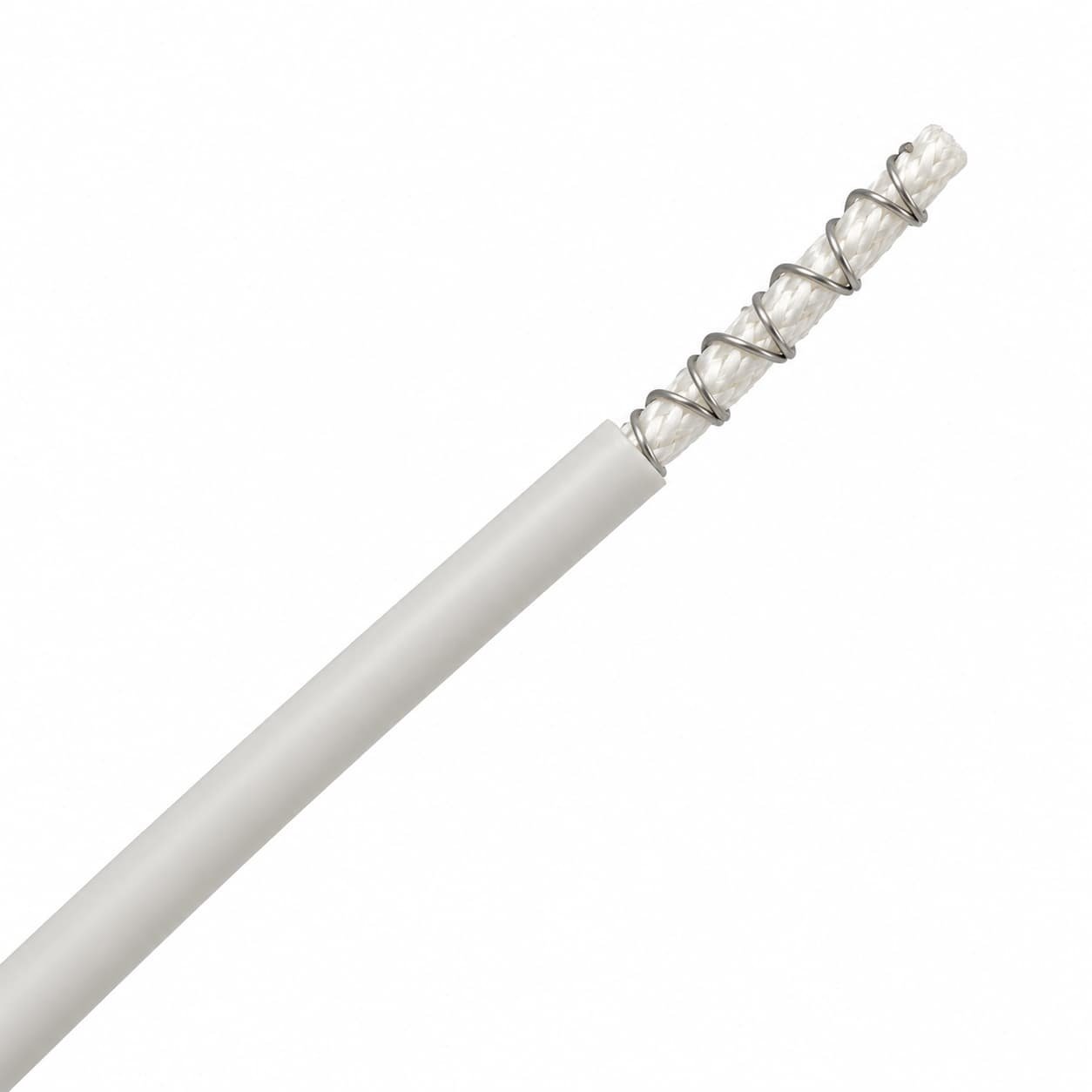
- Noyau : une noyau de fibre de verre, jusqu'à 1.30 mm. Il ne conduit aucun courant. Son rôle est de reprendre l'effort de traction, de maintenir la géométrie de la spirale et de résister à 200 °C sans rétrécir — car si le noyau bouge, la résistance bouge avec lui.
- Élément de chauffage: une filament en alliage résistif en cuivre-nickel ou nickel-chrome, à partir de 0.0381 mm (0.0015 in) et plus, enroulé en hélice sur le noyau. C'est la partie qui chauffe.
- Isolation : caoutchouc silicone, minimum 0.38 mm en moyenne et 0.33 mm en tout point, pour un diamètre fini de 2.00 ± 0.10 mm. La silicone est choisie parce qu'elle reste élastique à 200 °C et, contrairement à un thermoplastique, elle ne s'éloigne pas d'un point chaud.
Pourquoi l'élément est enroulé, et non tendu en ligne droite
Placez un filament droit au centre, et un mètre de câble contient un mètre d'alliage. Enroulez-le en hélice serrée, et un mètre de câble peut en contenir dix. Le pas en spirale est un contrôle de résistance qui ne coûte rien en diamètre, et c’est pourquoi un câble de 2 mm peut être fabriqué d’une fraction d’ohm à plusieurs milliers. C’est également important mécaniquement : une hélice s’étire et se détend lorsque le fil est courbé, alors qu’un filament droit aussi fin se romprait tout simplement.
Les trois leviers qui déterminent votre résistance
La résistance au mètre n'est pas une qualité que l'on choisit sur étagère ; c'est le résultat de trois décisions que nous prenons ensemble :
- Alliage. Le nickel-chrome a une résistivité environ soixante fois supérieure à celle du cuivre et un faible coefficient de température, il conserve donc sa résistance en chauffant. Le cuivre-nickel se situe plus bas et convient aux éléments à faible résistance et à courant plus élevé.
- Diamètre du filament. Divisez le diamètre par deux et vous multipliez par quatre la résistance par unité de longueur. C'est le réglage grossier.
- Pas de la spirale. Resserrez l'hélice et vous logez plus d'alliage dans le même mètre. C'est le réglage fin, celui qui nous permet d'atteindre une valeur cible plutôt que de tomber à côté.
C'est pourquoi la demande à partir de laquelle nous pouvons chiffrer est « 230 V, 60 W, 3.2 m en longueur finie », et non « quel calibre avez-vous ? ».
Ce que fait le silicone, et ce qu'il n'est pas
Le silicone assure l'isolation et la protection mécanique. Ce n'est pas une barrière thermique — tout l'intérêt est justement que la chaleur en sorte pour passer dans ce que le fil chauffe. Il résiste à 2 000 V AC pendant une minute et conserve une résistance d'isolement minimale de 15 MΩ·km, ce qui empêche un élément noyé dans une couverture ou dans un ensemble chauffant de présenter un risque d'électrocution lorsque le tissu est comprimé.
Une gaine tressée en fibre de verre est proposée en alternative
Lorsque l'élément repose contre du métal, une surface abrasive ou une arête plus vive que ce que le silicone seul peut tolérer, la même construction noyau-filament peut être finie avec une tresse en fibre de verre. Elle augmente un peu le diamètre, mais apporte une résistance à l'abrasion et une tolérance plus élevée à la température de surface.
UL définit les usages autorisés pour ce style, et le libellé mérite d'être lu avant de le spécifier : câblage interne destiné aux appareils de chauffage, aux réchauffeurs de carter et au dégivrage en réfrigération, lorsqu'il n'est pas soumis à des flexions répétées. Deux faits utiles se cachent dans cette phrase — le marché est plus large que celui des couvertures électriques, et le fil n'est pas conçu pour fléchir à longueur de journée.
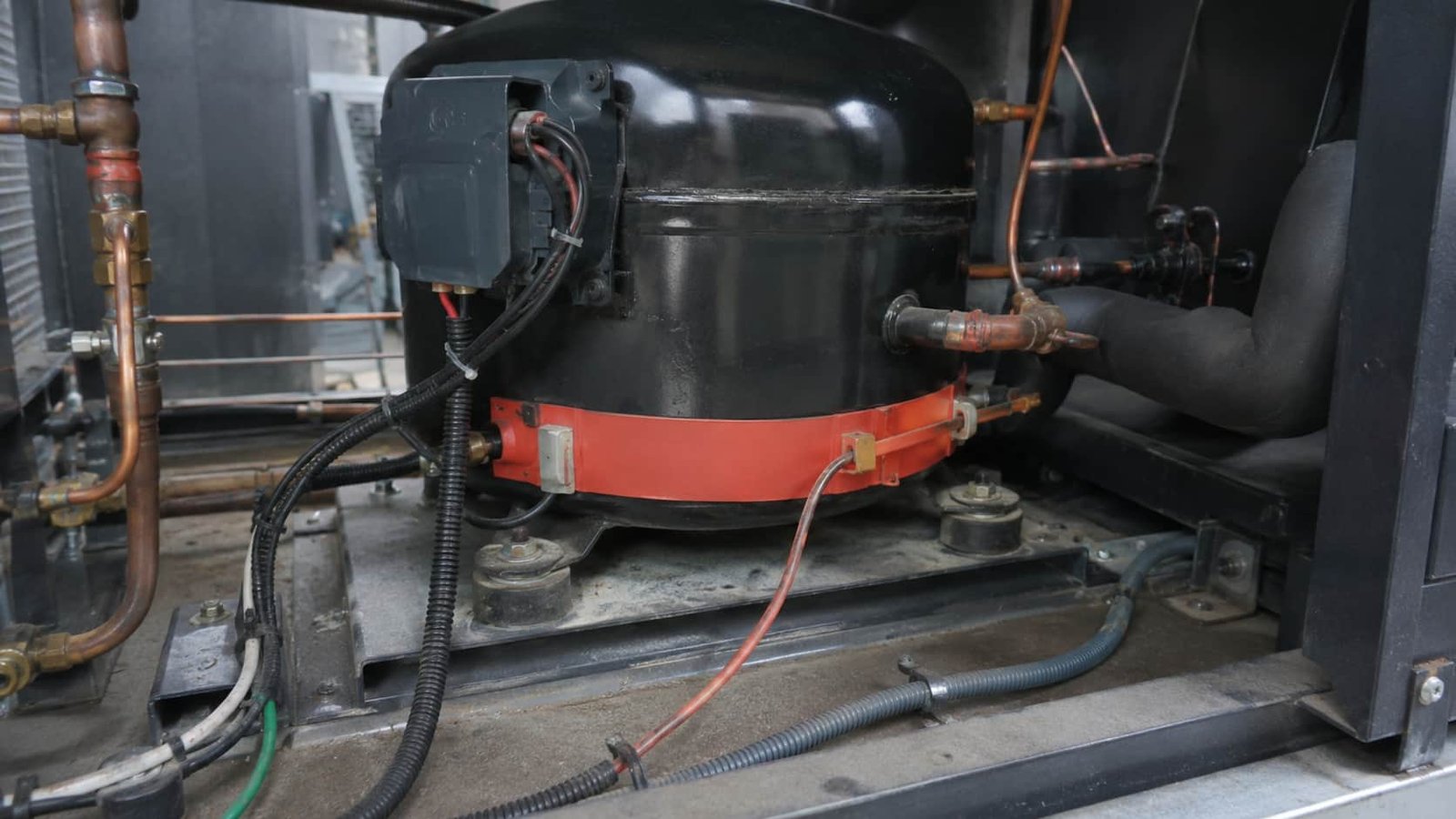
Où il est utilisé
- Couvertures électriques, plaids chauffants et tapis chauffants — l'application de volume, et celle qui fixe les prévisions de prix.
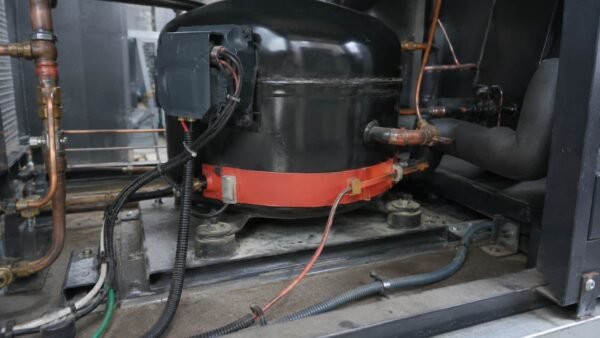
- Réchauffeurs de carter de compresseur — enveloppés ou bagués autour du carter pour garder le frigorigène hors de l'huile au démarrage. Faible puissance, sous tension permanente, et une réclamation de garantie en cas de défaillance.
- Chauffage de dégivrage en réfrigération — éléments pour batteries d'évaporateur, bacs de condensats et conduites d'évacuation dans les meubles frigorifiques commerciaux, les congélateurs et les vitrines réfrigérées.
- Câblage interne des appareils de chauffage — côté élément chauffant des réchauffeurs de petits appareils et d'équipements.
- Plaques chauffantes, incubateurs et équipements de laboratoire — partout où l'on recherche une surface régulée à faible densité de puissance plutôt qu'un point chaud.
- Désembuage de miroirs, de sièges et de panneaux — où l'élément est stratifié ou collé et ne se déplace plus jamais.
Comment le spécifier — les trois seuls nombres qui comptent
Tous les autres câbles de ce site sont spécifiés par la taille du conducteur. Celui-ci est spécifié par résistance, et la résistance découle d'un calcul simple à partir de données que vous avez déjà :
| Donnée d'entrée | Symbole | Ce qu'il décide |
|---|---|---|
| Tension de fonctionnement | V | Avec la puissance cible, fixe la résistance totale de l'élément: R = V² / P |
| Puissance cible | P (W) | La chaleur que l'élément doit fournir |
| Longueur finale de l'élément | L (mètres) | Ramène R à la résistance au mètre visée en fabrication, et fixe la densité de puissance |
Un élément de 230 V et 60 W nécessite 882 Ω. Réparti sur 3.2 m de fil fini, cela donne environ 276 Ω/m. Envoyez ces trois chiffres, et il n'y a plus rien à deviner.
Il en découle deux points qui prennent souvent les gens au dépourvu. La puissance est inversement proportionnelle à la résistance, de sorte que la tolérance de ±7 % sur la résistance se traduit par environ ±7 % sur la puissance — dimensionnez la plage de votre thermostat en conséquence. Et vous ne pouvez pas recouper un élément chauffant à la longueur sur place comme vous le feriez pour un fil de câblage : le raccourcir réduit sa résistance et augmente sa puissance, et un élément de couverture raccourci de 20 % chauffe 25 % de plus.
La densité de puissance est la spécification derrière la spécification
Deux éléments peuvent avoir une puissance totale identique et se comporter de façon complètement différente. Ce que l'utilisateur ressent — et ce qui roussit le tissu —, ce sont les watts par mètre. Si l'assemblage le permet, une plus grande longueur à moins de watts par mètre est presque toujours la conception la plus sûre : température de surface plus douce, durée de vie plus longue de l'élément, meilleure tolérance à un pli ou à un coussin tombé qui bloque l'évacuation de la chaleur. Indiquez-nous la surface à chauffer ainsi que la puissance, et nous vous dirons si la longueur choisie offre une marge confortable.
Ce à quoi ce fil n'est pas destiné
- Ce n'est pas un fil de câblage. Il est délibérément résistif. L’utiliser pour alimenter une charge fera chauffer le fil et privera la charge de puissance. Pour un câblage 200 °C, utilisez fil de raccordement en silicone ou fil de silicone tressé fibre de verre.
- Pas pour la flexion répétée. La désignation de UL est explicite. Un filament en alliage fin sur un noyau de verre durcit et casse; spécifier un élément à flexion si le montage se replie en service tous les jours.
- Non autorégulant. La résistance est fixée par la construction, de sorte que la puissance ne baisse pas lorsque l'environnement se réchauffe. La boucle de régulation, c'est votre thermostat, et ce fil en a besoin.
- Ce n'est pas un traçage électrique industriel de tuyauteries. Le traçage des tuyauteries et des cuves de procédé relève d'une autre classe de produits, avec ses propres normes et, en zones dangereuses, sa propre certification. Ce fil est destiné au câblage interne des équipements.
- Non pour les zones dangereuses à l'état de livraison. Un style AWM n'est pas une homologation Ex.
- Non prévu pour plus de 300 V. Le style s'arrête là ; raccorder des éléments en série pour atteindre une tension d'alimentation plus élevée n'augmente pas la tension assignée de l'isolation.
Lorsqu'il s'agit de traçage de conduites et de cuves de procédé plutôt que d'un élément d'équipement, le câble chauffant autorégulant de 230 V pour conduites et cuves couvre la protection antigel et le maintien en température de procédé, avec une puissance choisie d'après un calcul de déperditions thermiques.
Caractéristiques nominales
| Propriété | Valeur |
|---|---|
| type UL AWM | 3590 (UL Subject 758) |
| Température nominale | 200 °C |
| Tension assignée | 300 V |
| Essai de flamme | Flamme horizontale |
| Résistance diélectrique | 2 000 V AC pour 1 minute |
| Résistance d'isolement minimale | 15 MΩ·km |
| Tolérance à la résistance | ±7 % |
| Flexibilité | Pas pour des emplacements soumis à des flexions répétées |
Construction et dimensions
| Élément | Matériau | Dimension |
|---|---|---|
| Noyau | Fibres de verre — sans courant | Jusqu'à 1.30 mm (0.051 in) |
| Élément de chauffage | Alliage résistif cuivre-nickel ou nickel-chrome, enroulé en spirale | Filament à partir de 0.0381 mm (0.0015 in) |
| Isolation | Caoutchouc silicone | 0,38 mm minimum moyen; 0,33 mm minimum en tout point |
| Option de gaine | Tresse en fibre de verre sur le silicone | Augmente le diamètre ; sur demande |
| Diamètre hors tout | — | 2.00 ± 0.10 mm |
Résistance — paramètre fabriqué sur commande
| Paramètre | Gamme | Notes |
|---|---|---|
| Résistance | 0,5 à 12 000 Ω | Fabriquée selon la valeur que vous indiquez. Précisez la valeur et la base — par mètre ou par élément fini — parce que les deux sont commandés. |
| Tolérance | ±7 % | Apparaît comme environ ±7 % sur les watts livrés |
| Alliage | CuNi ou NiCr | Sélectionné pour la cible de résistance, non choisi séparément |
| Couleur | Selon vos spécifications | La silicone est pigmentée à la préparation |
| Longueur | Réalisé sur commande | Coupe fournie à la longueur de l'élément fini — ne pas couper sur place |
Exemple détaillé
| Exigence | Valeur |
|---|---|
| Tension de fonctionnement | 230 V |
| Puissance cible | 60 W |
| Résistance totale nécessaire (V² / P) | 882 Ω |
| Longueur finale de l'élément | 3.2 m |
| Résistance visée en fabrication | 276 Ω/m |
| Densité de puissance | 18.8 W/m |
En lisant l'exemple. Le seul choix libre est la longueur. Doubler la longueur à 6.4 m divise par deux la densité de puissance, à 9.4 W/m pour les mêmes 60 W — un élément plus doux et plus sûr — et ramène la valeur que nous fabriquons à 138 Ω/m. Ce compromis entre longueur et densité de puissance constitue toute la discussion de conception d'un élément chauffant, et il vaut la peine de l'avoir avant que l'outillage de votre assemblage ne soit figé.
Ce que UL 3590 est en fait
| Référence | Ce qu’elle détermine | Ce que cela signifie pour vous |
|---|---|---|
| Style UL AWM 3590 | 200 °C, 300 V, flamme horizontale. Filament résistif CuNi ou NiCr à partir de 0.0015 in, enroulé en spirale sur un noyau en fibre de verre jusqu'à 0.051 in. Isolation en caoutchouc silicone, 15 mils minimum en moyenne et 13 mils minimum en tout point. | Le style fixe la construction et les valeurs nominales. En revanche, il ne fixe pas la résistance — c'est la partie que vous spécifiez. |
| UL Subject 758 | La norme de matériau de câblage d’appareil qui régit ce style | AWM est une reconnaissance de composants et non une approbation autonome. Votre chauffage fini est approuvé comme un appareil, avec ce fil comme un composant reconnu à l'intérieur. |
| Désignation d'utilisation | « Câblage interne destiné aux appareils de chauffage, aux réchauffeurs de carter et au dégivrage en réfrigération, lorsqu'il n'est pas soumis à des flexions répétées » | C'est la phrase qui décide si vous pouvez l'utiliser. Lire la dernière clause deux fois. |
| Essais courants | Rigidité diélectrique : 2 000 V AC pendant 1 minute; résistance d’isolement; valeur de résistance selon la valeur spécifiée. | Les procès-verbaux sont expédiés avec la commande |
« Est-il homologué UL ? » — la réponse honnête
Un style UL AWM confère le statut de composant reconnu pour un fil utilisé à l'intérieur d'un équipement. Ce n'est pas un référencement du réchauffeur fini, ni une homologation d'installation. Lorsque votre organisme de certification évalue votre couverture, votre réchauffeur de carter ou votre élément de dégivrage, il voudra vérifier que le câblage interne est un style AWM reconnu adapté à la température, à la tension et à l'usage — et 3590 est exactement cela. Ce qu'il n'acceptera pas, c'est un style AWM utilisé en dehors de son usage désigné, c'est pourquoi la clause sur les flexions compte plus qu'il n'y paraît.
Notez également qu'un numéro de dossier UL appartient à l'entreprise qui détient le certificat. Un numéro de dossier figurant sur la fiche technique de quelqu'un d'autre ne s'applique pas à un fil que vous achetez auprès d'un tiers, et tout fournisseur qui cite un numéro qui n'est pas le sien devrait être invité à s'en expliquer.
Ce que le numéro de style ne vous dit pas
Deux bobines marquées UL 3590 peuvent être des produits complètement différents. Le style ne dit rien de l'alliage, du diamètre du filament, du pas de la spirale et donc de la résistance — qui est la seule propriété qui intéresse réellement la plupart des acheteurs de ce fil. Il ne dit rien non plus de la précision avec laquelle la résistance est tenue sur la longueur d'une bobine. Lorsque vous comparez des offres, comparez la valeur de résistance, la tolérance et si la tolérance s'applique au mètre ou à l'élément fini. Le prix au mètre n'a presque aucun sens pour un produit fabriqué à la résistance.
Ce dont nous avons besoin pour établir un devis
- Tension de fonctionnement et Puissance cible
- Longueur finale de l'élément, ou la zone à chauffer si la longueur est encore ouverte
- Cible de résistance si vous en avez déjà une — et si elle est par mètre ou par élément
- Silicone seulement, ou tressé en fibre de verre sur le silicone
- Couleur, conditionnement et volume annuel
- L'organisme de certification évaluant votre produit fini, si vous le savez
Certification TEBAOFLEX
Jiangsu TEBAOFLEX Special Cable Co., Ltd détient le certificat UL UL-US-2449012-0 et le certificat cUL UL-CA-2437036-0, tous deux datés du 27 décembre 2024 selon le rapport E542560-20241225, ainsi que le certificat VDE 40060055 daté du 28 mars 2025. Il s'agit de certifications au niveau de l'entreprise. Envoyez la résistance, les valeurs nominales et le volume que vous comptez commander, et nous vous confirmerons le périmètre d'homologation applicable avant votre engagement.
Documentation fournie avec une commande
- Dessin de construction avec l'alliage convenu, le filament, le noyau et le diamètre fini
- Procès-verbal d'essai de résistance du lot de production, par rapport à la valeur et à la tolérance que vous avez spécifiées
- Procès-verbaux d'essais diélectriques et de résistance d'isolement
- Certificat de conformité concernant UL 3590 et la résistance convenue
- Liste des tourets et de colisage, avec marquage et détail des longueurs
Pour connaître la portée d'un style AWM spécifique, consultez directement l'organisme émetteur — UL Solutions.
Options de câbles associées
Comparez ces options de câbles selon les fonctions requises, le mouvement, la charge, la tension et les besoins de transmission.
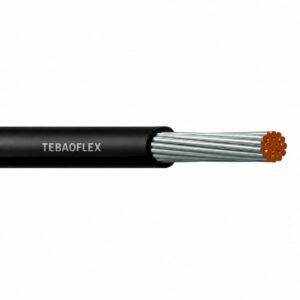
Fil de câblage silicone 105–250°C, 300–1000 V, styles UL AWM
Une autre option de câble pour une application ou des conditions de service différentes.
Voir le produit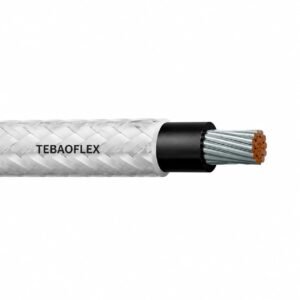
Fil silicone tressé de fibre de verre 200°C, 300/600 V UL AWM
Une autre option de câble pour une application ou des conditions de service différentes.
Voir le produit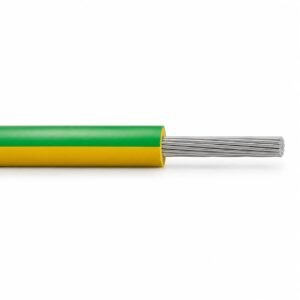
Câble souple unipolaire en silicone SiF 180
Une autre option de câble pour une application ou des conditions de service différentes.
Voir le produitDemandez une recommandation et un devis pour un câble.
Indiquez les fonctions requises, la longueur du câble, les contraintes mécaniques, l’environnement, les terminaisons et la quantité. Notre équipe évaluera l’aptitude à l’application avant d’établir une soumission.
- Veuillez inclure le nom du produit ou son SKU, ainsi que la longueur et la quantité de câble requises.
- Joignez une fiche technique, un dessin ou une fiche de spécifications si disponible.