

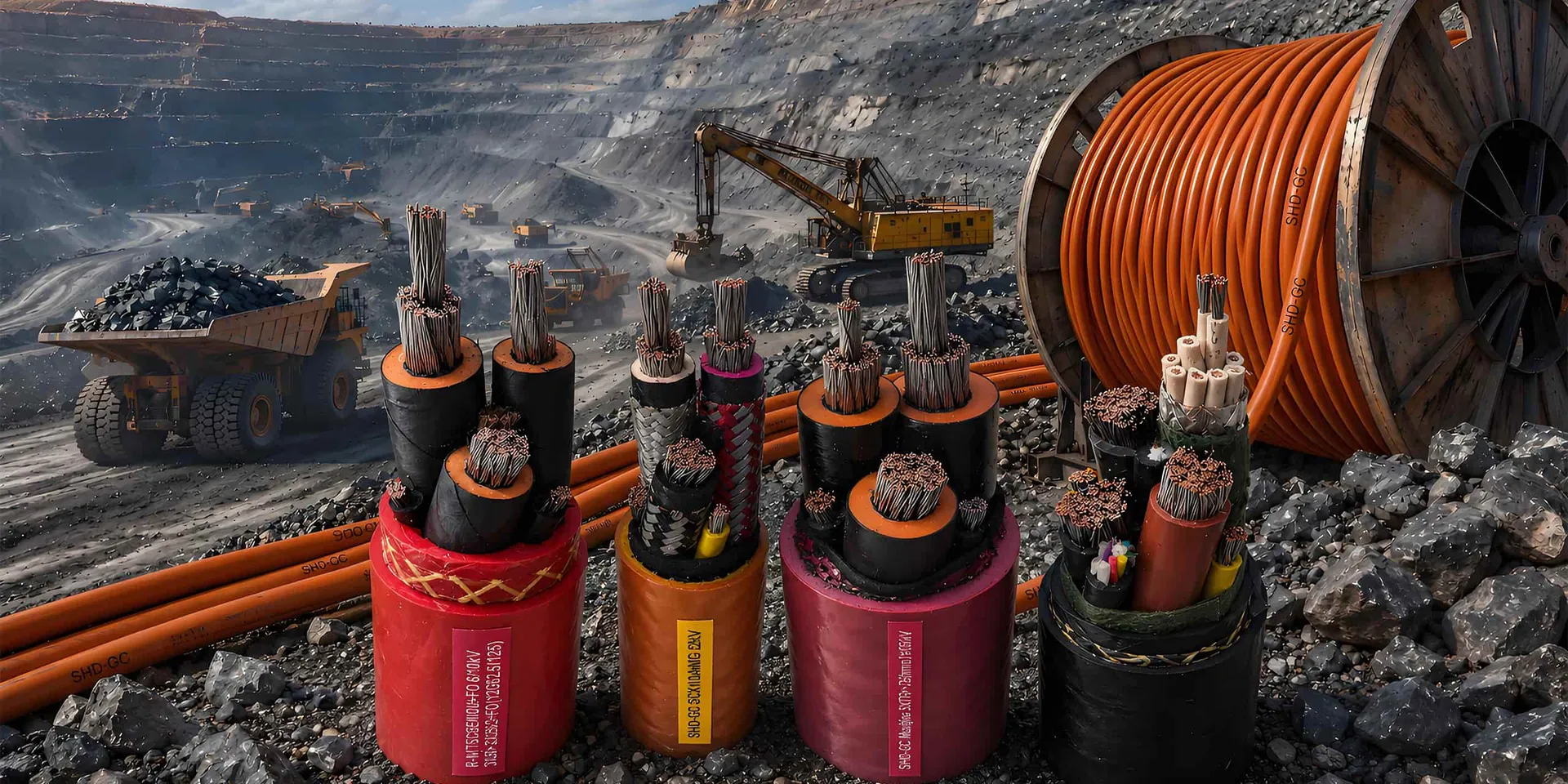
Fabricant de câbles miniers traînants, d'enroulement et d'alimentation
Nous sommes un fabricant de câbles miniers qui produit selon quatre familles de normes différentes — AS/NZS 1802 et 2802, BS 6708, ICEA/UL et VDE/DIN — depuis une seule usine à Jiangsu, en Chine. Plus de 100 types de câbles miniers sont déjà conçus, documentés et en production. Indiquez-nous la machine et la juridiction ; nous vous indiquerons le numéro de type.
- Plus de 100 types de câbles miniers en production
- De 0,6/1 kV à 19/33 kV
- Certificats UL · cUL · VDE pour câbles souples (UL 62 / CSA C22.2 No. 49; EN 50525-2-21)
- MOQ 50 m
- Délai de livraison de 7–45 jours ouvrables
Pourquoi un câble minier est une tout autre bête
Un câble minier est un câble de puissance flexible conçu pour être traîné, enroulé, écrasé et inondé à chaque poste, avec une âme pilote de continuité de terre pour que l'alimentation se coupe avant qu'une personne ne le fasse. Le câble d'installation fixe est conçu pour être posé une fois et laissé tranquille. Le câble minier est conçu pour subir des mauvais traitements en continu et pour tomber en panne de manière sûre quand ces mauvais traitements finissent par l'emporter.
Cette différence se retrouve à chaque couche. Les conducteurs sont câblés en spirale (rope-lay) plutôt que compactés, pour que le câble résiste aux cycles de flexion au lieu de s'écrouir. L'isolation est en EPR ou en élastomère plutôt qu'en XLPE, car elle doit rester souple à −25 °C et après dix mille tours de tambour. La gaine est en CPE, PCP ou PUR plutôt qu'en PVC, car elle va être traînée sur de la roche abattue. Et il y a presque toujours une âme pilote ou de contrôle de terre dont le seul rôle est de détecter que la liaison de terre est rompue et de déclencher le disjoncteur avant que quelqu'un ne le découvre de la pire des façons.
Placez un câble de bâtiment ordinaire sur un tambour d'enroulement et il aura à peu près l'espérance de vie d'une éphémère. Ce n'est pas une phrase marketing — c'est pourquoi chaque juridiction minière au monde a rédigé sa propre norme de câbles plutôt que de laisser les gens utiliser du câble usage général.
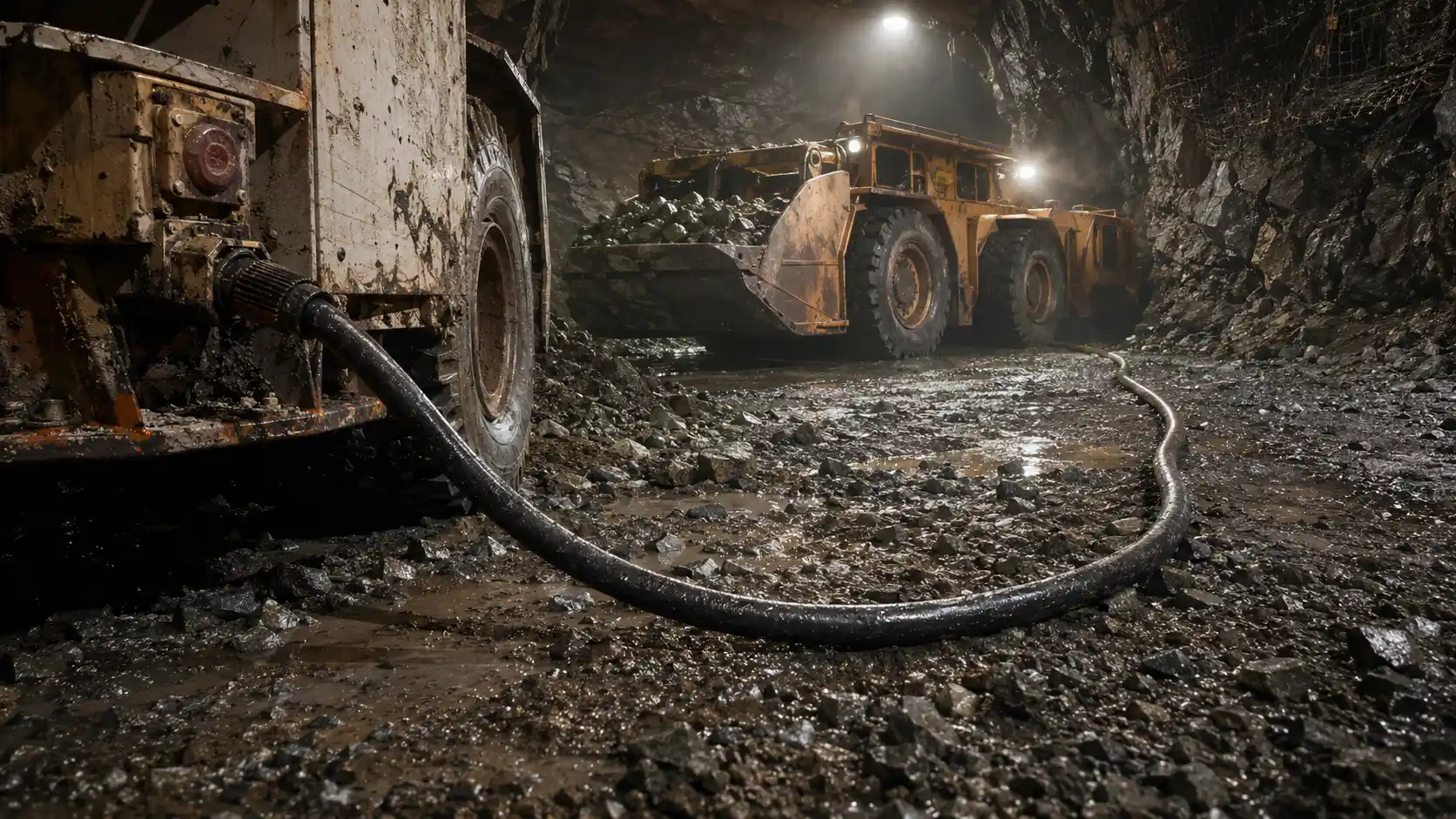
Câbles miniers que nous fabriquons
Six familles couvrent presque tout ce qui est alimenté électriquement dans une mine. En tant que fabricant de câbles miniers, nous fabriquons les six sur les mêmes lignes, ce qui compte plus qu'il n'y paraît : un seul fournisseur, un seul jeu de marquages de tambour, un seul jeu de rapports d'essai.
Câbles traînants
Pour les haveuses continues, chargeuses, wagons navette et foreuses. Traînés au sol, la gaine est donc la pièce d'usure. Conducteurs câblés en spirale, âme de contrôle de terre, gaine épaisse en CPE ou PCP.
Câbles d'enroulement
Pour les pelles, empileuses, récupérateurs et machines montées sur tambour. Le mode de défaillance est la torsion et l'écrasement du tambour, pas l'abrasion, donc ce qui compte, c'est le pas de câblage et la disposition des âmes.
Câbles d'alimentation et de distribution
Tronçons MT de la sous-station jusqu'au front de taille ou à la fosse, jusqu'à 19/33 kV. Blindé par âme, armé là où le tracé l'exige.
Câbles pour foreuses et jumbos
Longueurs courtes soumises à un travail brutal sur les foreuses et les jumbos. La tension et la flexion répétée à l'entrée du tambour sont les principales causes de défaillance.
Câbles pour tunnellisation et tunneliers
Câble d'enroulement et de festonnage pour tunneliers, ainsi que des conceptions surveillées lorsque l'autorité du tunnel exige que la continuité de terre soit prouvée en continu.
Câbles de contrôle, pilotes et de signal
Contrôle et instrumentation blindés circulant à côté de l'âme de puissance, dans la même gaine ou sous forme de faisceau séparé.
De quelle norme votre mine a-t-elle réellement besoin ?
La norme est déterminée par la juridiction et par le fait que la mine soit ou non une mine de charbon souterraine, pas par la machine. Si vous vous trompez sur ce point, le câble peut être parfaitement bon et pourtant totalement inutilisable, car l'électricien du site ne peut pas l'accepter. Commencez ici, puis choisissez le numéro de type.
| Où se trouve la mine | Type de mine | Famille de normes | Ce qu'elle régit | Numéros de type à demander |
|---|---|---|---|---|
| Australie, Nouvelle-Zélande | Surface et souterrain, sauf charbon souterrain | AS/NZS 2802 | Câbles d'enroulement et traînants, de 1,1/1,1 kV à 33/33 kV, deux classes. Une âme pilote disposée pour couper l'alimentation en cas de perte de continuité de terre est obligatoire. | Type 409, 440, 441, 450, 451, 455, Mine Feeder Type 1 / 2S |
| Australie, Nouvelle-Zélande | Métallifère souterrain (et pratique du charbon souterrain) | AS/NZS 1802 | Câbles d'enroulement et traînants pour usage souterrain ; l'application aux mines métallifères nécessite une évaluation des risques par une personne compétente. | Type 240, 241, 245, 260, 275 |
| Australie, Nouvelle-Zélande | Tous — en service | AS 1747 | Réparation, essai et pose d'accessoires. Essai de routine tous les 3 mois en surface, mensuel en souterrain, dans les carrières et sur les dragues. | S'applique à tout ce qui précède |
| Royaume-Uni, Afrique du Sud, Inde, une grande partie de l'Afrique | Surface et souterrain | BS 6708 | Câbles souples pour machines minières, de BT à MT, y compris les constructions plates et pour foreuses. | Type 11, 14, 16, 20/21, 43, 44, 201/211, 307, 321/331, 630/631, 730, FS4 |
| Amérique du Nord, une grande partie de l'Amérique latine | Surface et souterrain | ICEA S-75-381 / NEMA WC-58, UL | Câbles de puissance portables pour la mine : blindés et non blindés, avec et sans contrôle de terre. | Type W, Type G, Type G-GC, SHD-GC, MP-GC |
| Allemagne, UE, et la plupart des projets de tunneliers dans le monde | Mines et tunnellisation | VDE / DIN (avec EN 50525, IEC 60502) | Câble souple à gaine caoutchouc pour mines et tunnellisation, y compris les conceptions blindées et surveillées. | NTSCGECWOU, NTSKCGECWOEU, NSSHKCGEOEU, NSHXOEU, 3GSEYQY, N3GHSSHCH |
Sources des lignes australiennes : WorkSafe Western Australia — câbles traînants et d'enroulement, qui définit l'exclusion de portée de l'AS/NZS 2802 pour le charbon souterrain, l'âme pilote obligatoire, et les intervalles d'essai trimestriel et mensuel selon l'AS 1747.
Quatre familles de normes, une seule usine
La plupart des fabricants de câbles miniers maîtrisent une seule famille de normes. Nous en construisons et documentons quatre. C'est la chose la plus utile à savoir sur nous, alors la voici sous forme de tableau plutôt que sous forme de paragraphe sur notre engagement envers l'excellence. Chaque numéro de type ci-dessous renvoie à sa propre page de spécification sur ce site — allez vérifier.
| Famille de normes | Types en production | Numéros de type représentatifs | Marché typique |
|---|---|---|---|
| VDE / DIN mines et tunnellisation à gaine caoutchouc | 43 | NTSCGECECWOU, enroulement pour tunnelier · NTSCGECWOU pour tunnelier · NTSKCGECWOEU, haveuse à charbon · NSSHKCGEOEU · NSHXOEU · 3GSEYQY 18/30 kV · N3GHSSHCH · NTSCGEWOU, distribution | Europe, et projets de tunneliers et de tunnellisation dans le monde |
| BS 6708 câbles souples pour machines minières | 20 | Type 11 · Type 16 · Type 43, foreuse · Type 307 · Type 321/331 · Type 630/631 · Type 730 · Type FS4, plat | Royaume-Uni, Afrique du Sud, Inde, une grande partie de l'Afrique |
| ICEA S-75-381 / UL câbles de puissance portables pour la mine | 13 | SHD-GC 2–25 kV · Type G-GC 2 kV · Type W 600/2000 V · Type SHD-CGC 5 kV · Type SHD-PCG 2 kV | Amérique du Nord, Amérique latine |
| AS/NZS 2802 enroulement et traînant, sauf charbon souterrain | 9 | Type 409 · Type 440 · Type 441 Class 1 · Type 451 · Type 455 · Mine Feeder Type 1 | Australie, Chili, Indonésie |
| AS/NZS 1802 enroulement et traînant souterrain | 7 | Type 240 · Type 241 · Type 245 · Type 260, câble armé blindé · Type 275 | Mines souterraines australiennes |
| IEC 60502 distribution MT fixe | 7 | Puissance MT blindée pour sous-stations et tronçons fixes, chiffrée aux côtés des types souples | Dans le monde entier |
Les décomptes correspondent aux pages de spécification actives dans notre gamme de câbles pour l'exploitation minière et le tunnelage, et non aux références de catalogue. Si votre numéro de type ne figure pas dans le tableau, il est très probable qu'il soit tout de même dans la gamme — demandez-nous.
Câble de puissance minier : de l'alimentation BT à 33 kV
En tant que fabricant de câbles de puissance miniers, nous construisons toute l'échelle de tension, du câble traînant pour machine 0,6/1 kV jusqu'aux alimentations 19/33 kV. La tension détermine le blindage, et le blindage détermine le comportement du câble lorsqu'il est traîné — c'est pourquoi la tension est la deuxième question que nous posons après la norme.
| Classe de tension | Ce qu'il alimente | Blindage | Ce qui change dans la manipulation |
|---|---|---|---|
| 0.6/1 kV | Chargeuses, foreuses, pompes, éclairage, entraînements de convoyeurs | Généralement non blindé ; âmes de terre logées dans les interstices | Le plus souple de la gamme. L'abrasion de la gaine est le facteur limitant la durée de vie. |
| 1.9/3.3 kV – 3.6/6 kV | Entraînements de machines plus grosses, petite distribution | Couche semi-conductrice ou écran par âme | Les écrans doivent rester continus sous flexion — un écran rompu est un défaut invisible jusqu'à ce qu'il devienne très visible. |
| 6/10 kV – 8.7/15 kV | Pelles, draglines, distribution de front de taille, alimentation de tunnelier | Âmes blindées individuellement, âme de contrôle de terre | Le rayon de courbure minimal augmente fortement. Le dimensionnement du tambour et de la poulie cesse d'être un détail. |
| 12/20 kV – 19/33 kV | De la sous-station à la fosse, alimentateurs principaux, empileuses et récupérateurs | Blindé individuellement, souvent armé | La manipulation, le jointage et la terminaison deviennent le projet en soi. Les kits de réparation sont commandés avec le câble, pas après. |
Puissance, commande, pilote et signal dans un seul faisceau
L'autre moitié du métier de fabricant de câbles électriques miniers, c'est tout ce qui n'est pas la puissance. Une machine de front a généralement besoin des âmes de puissance, d'une ou deux âmes de terre, d'une âme de contrôle de terre ou pilote, et souvent d'une paire de contrôle blindée ou d'une fibre pour le réseau de la machine. Nous les construisons en constructions combinées lorsque la machine n'a qu'une seule entrée, et en câbles séparés lorsqu'elle en a deux. Ce que nous ne ferons pas, c'est chiffrer un câble de puissance et vous laisser découvrir sur site que les âmes de contrôle étaient le problème de quelqu'un d'autre.
Lorsque les circuits de commande, de signalisation et de bus d'une mine à ciel ouvert cheminent dans un câble séparé le long des convoyeurs à bande ou sur les équipements de manutention, le câble de signalisation et de commande 2YSLGCGOEU les transporte sur des âmes en paires sous un écran à tresse en cuivre étamé.
Cycles de service intensif : ce qui tue vraiment un câble minier
Les câbles miniers ne tombent presque jamais en panne à cause d'une surcharge électrique. Ils tombent en panne mécaniquement, puis électriquement. Choisir un fabricant de câbles miniers robustes revient en réalité à choisir contre lequel de ces cinq modes de défaillance vous achetez une protection, car les constructions qui y résistent ne sont pas les mêmes.
| Mode de défaillance | Où cela se produit | À quoi cela ressemble | Ce que la construction doit faire |
|---|---|---|---|
| Abrasion de la gaine | Câble traînant tiré sur de la roche abattue et des rails | La gaine s'amincit d'un côté jusqu'à laisser apparaître l'âme de terre | Gaine épaisse en CPE ou PCP ; PUR lorsque l'abrasion est sévère et que le câble reste raisonnablement propre |
| Vrillage en tire-bouchon | Câble d'enroulement sur un tambour, et câble traînant tiré dans les virages | Le câble prend une hélice permanente et ne se pose plus à plat ni ne s'enroule uniformément | Pas de câblage équilibré et disposition des âmes ; les âmes doivent pouvoir se déplacer librement les unes par rapport aux autres à l'intérieur de la gaine |
| Fatigue en torsion | Entrée du tambour, chariots de festonnage, mâts de forage | Les brins du conducteur se rompent à l'intérieur d'une gaine intacte — la résistance augmente avant que quoi que ce soit ne soit visible | Câblage en spirale (rope-lay) de classe fine, pas court, et suffisamment d'espace dans la gaine pour que les âmes puissent se torsader |
| Écrasement et impact | Partout où une machine peut rouler sur le câble | Section aplatie ; isolation déplacée sur l'écran | Épaisseur de gaine plus un ensemble de bourrage qui répartit la charge au lieu de la transmettre |
| Perte de la liaison de terre | Partout — et c'est celui qui blesse des gens | Rien. C'est bien là le problème. | Une âme pilote ou de contrôle de terre disposée pour que l'alimentation se coupe en cas de perte de continuité, ce qui explique précisément pourquoi l'AS/NZS 2802 la rend obligatoire et non optionnelle |
Le froid compte aussi. À −25 °C, un élastomère mal choisi cesse d'être un câble et devient un tronçon de tuyau, et la première machine qui le déplace fissure la gaine. Indiquez-nous le minimum hivernal en même temps que tout le reste ; c'est une décision de composé, pas une réflexion après coup.
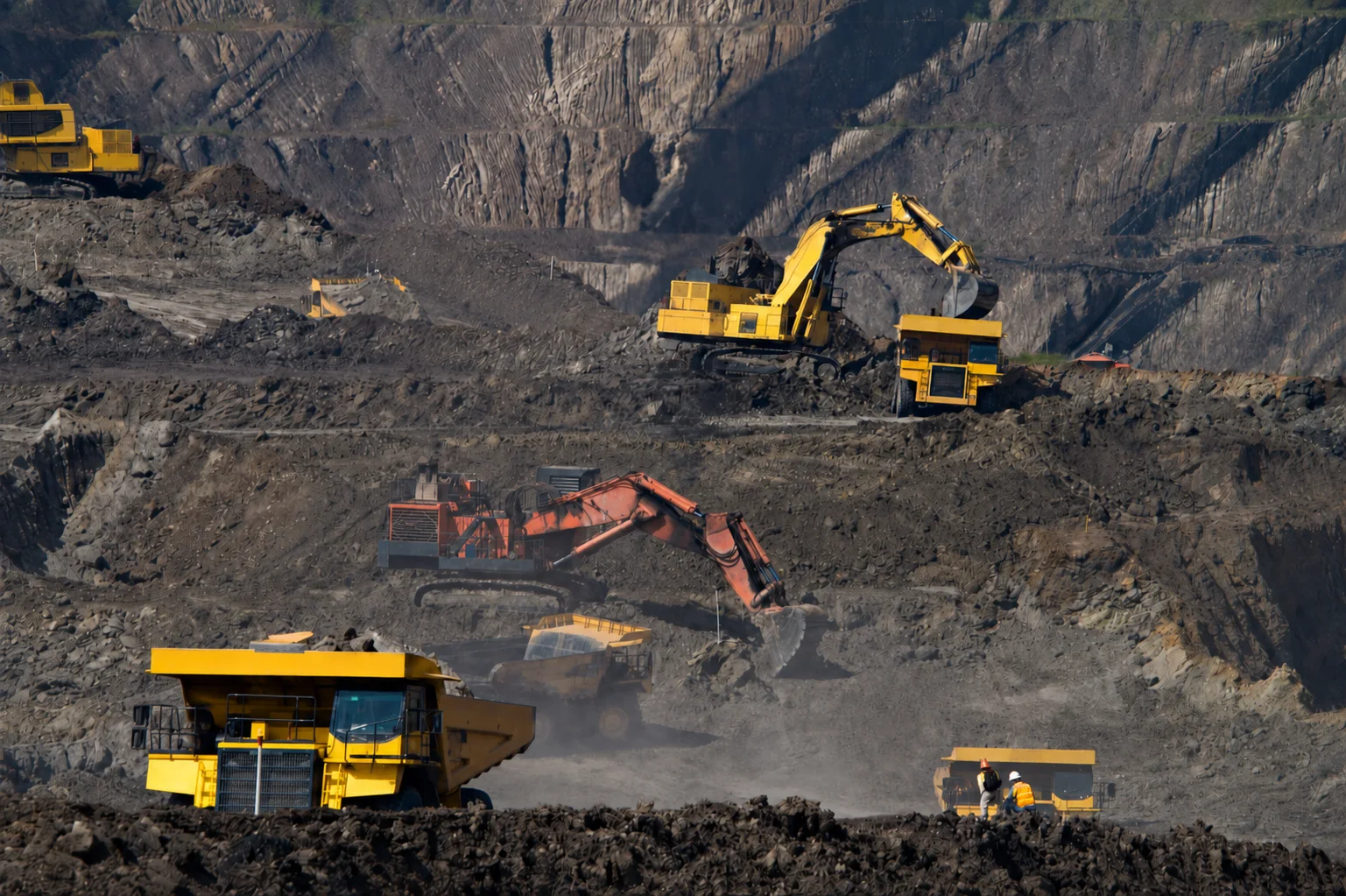
Câbles miniers que nous fabriquons et exportons
Trois des chevaux de bataille, avec de véritables spécifications derrière eux. La gamme complète compte plus de cent numéros de type.
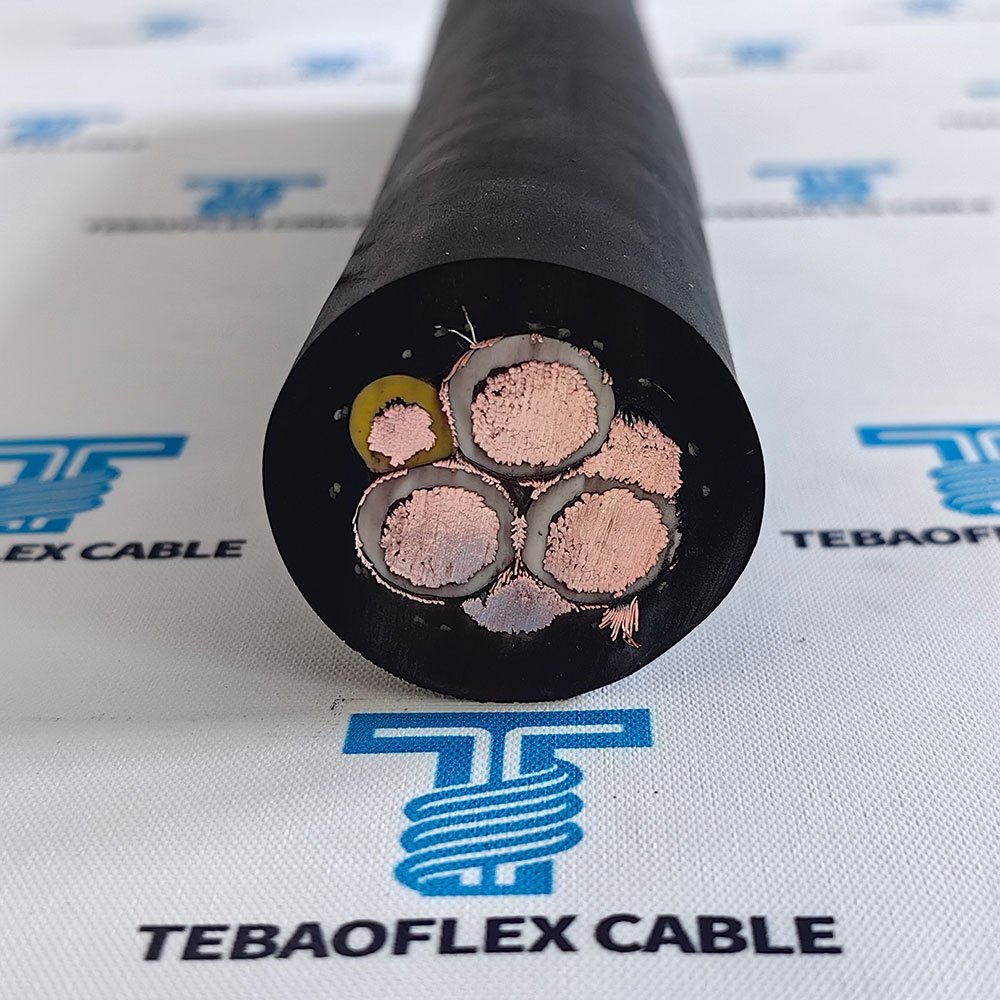
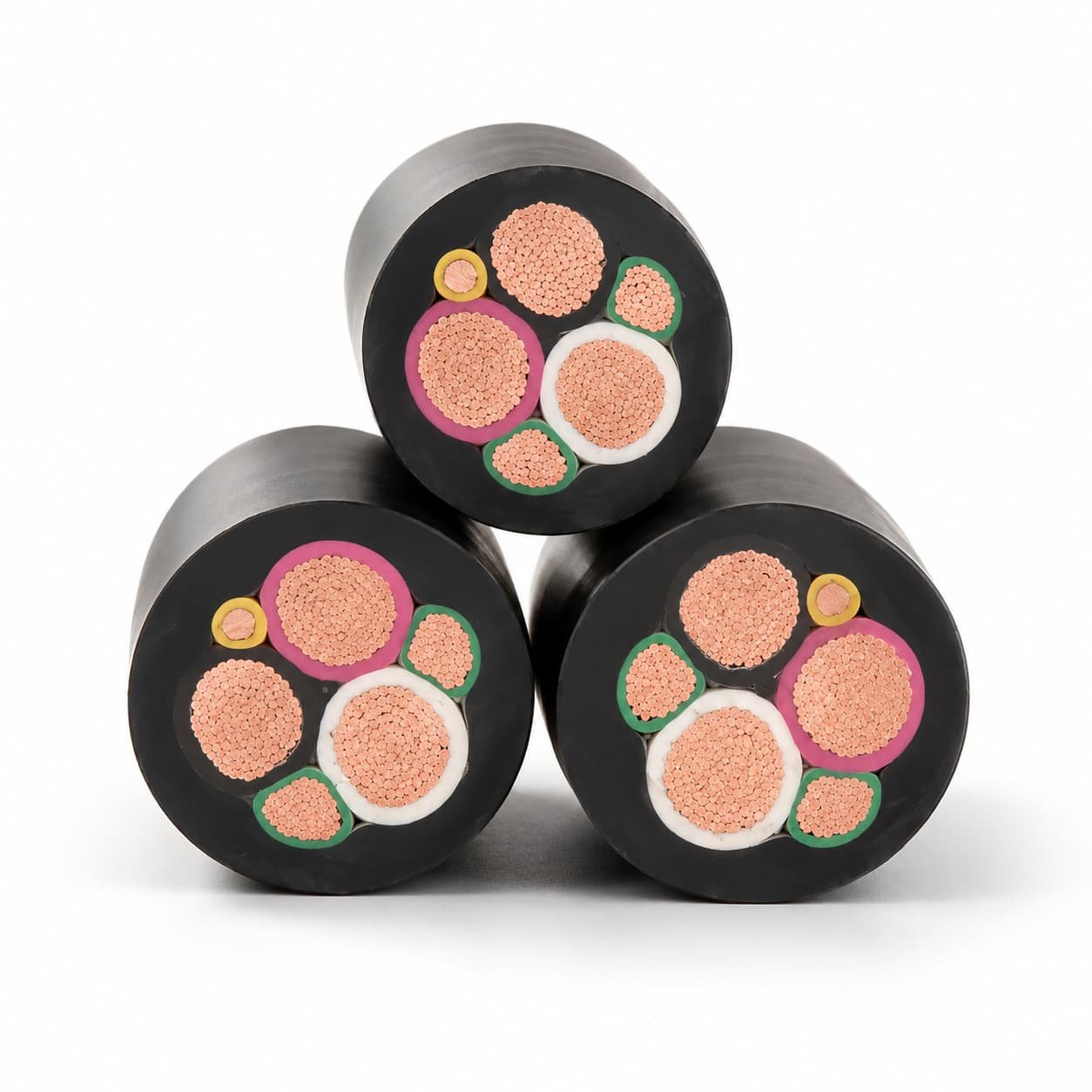
Câble d'alimentation minier SHD-GC
- Portable rond blindé, ICEA S-75-381
- Trois âmes de puissance en cuivre étamé isolées EPR, 90 °C
- Conducteur de terre plus conducteur de contrôle de terre
Câble portable de puissance minier Type G-GC
- Portable rond, trois âmes de puissance en cuivre étamé câblées en spirale
- Deux conducteurs de terre plus une âme de contrôle de terre
- Le choix par défaut pour les haveuses continues et les équipements de front de taille
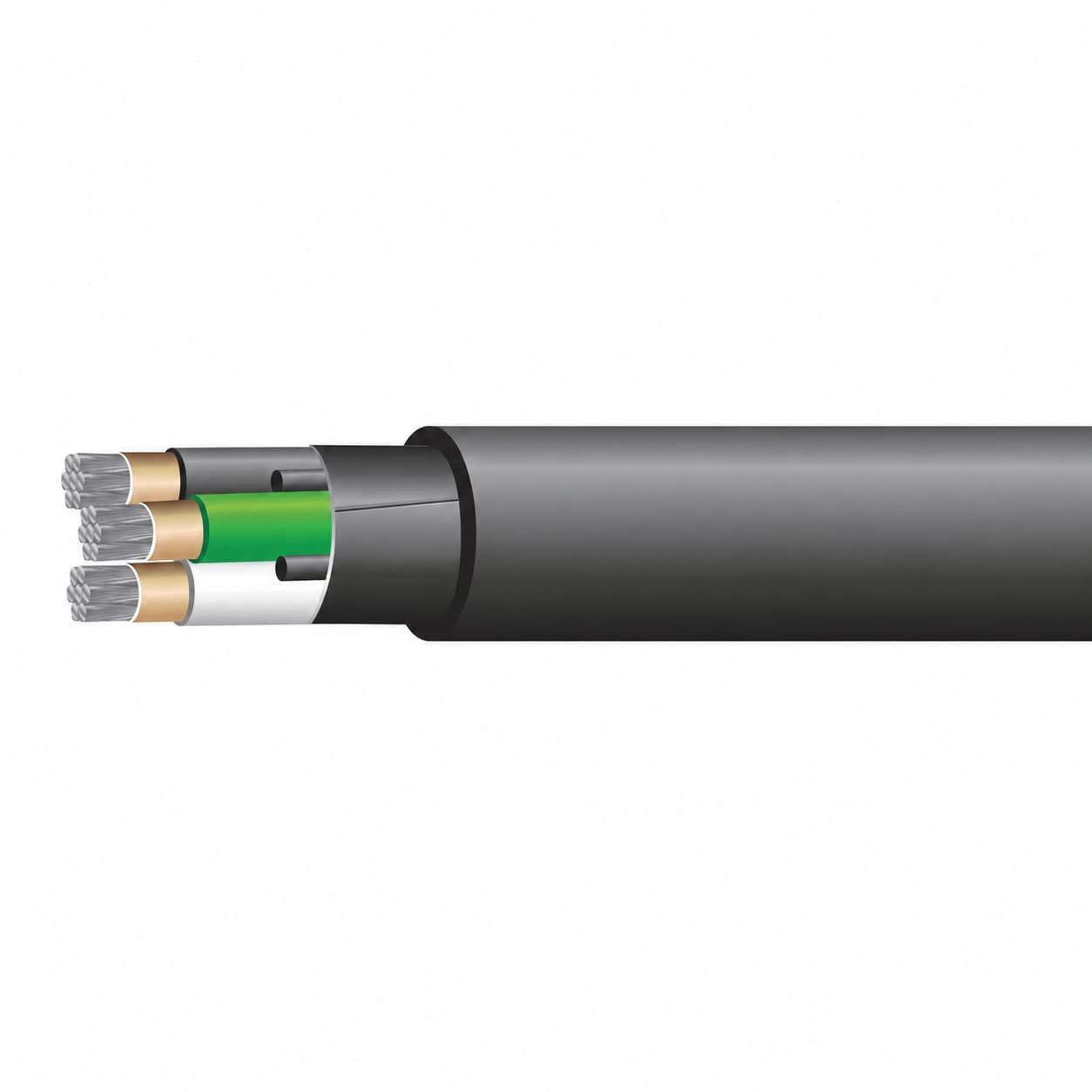
Câble de puissance portable Type W
- Rond à trois conducteurs, non blindé
- Cuivre recuit étamé câblé en spirale selon ASTM B-172 / B-33
- Équipements mobiles à ciel ouvert et alimentation portable générale
Vous naviguez plutôt que de spécifier ? Le catalogue complet se trouve dans câbles pour mines et tunnels, et si vous hésitez encore entre les familles, notre guide de sélection des câbles miniers passe en revue les types sans essayer de vous en vendre un.
Normes et certifications — y compris ce que nous ne détenons pas
Nous publions nos numéros de certificat, et nous publions les lacunes. Tout article comparatif sur les fabricants de câbles miniers passe entièrement sous silence la certification, ce qui arrange bien ceux qui les rédigent. Voici le tableau complet, pour que personne ne découvre un problème au troisième tour d'un appel d'offres.
Ce que nous détenons, avec les numéros
UL — UL-US-2449012-4, cordon souple UL 62, délivré le 2024-12-27, rapport E542560-20241225
cUL — UL-CA-2437036-5, cordon souple CSA C22.2 No. 49, délivré le 2024-12-27
VDE — 40060056, câbles souples sous gaine de caoutchouc EN 50525-2-21, délivré le 2025-03-28
Essais selon les régimes CE, UL, VDE et KTL sur 8 bancs d'essai internes.
Ce à quoi nous nous conformons, comme références de conception et d'essai
AS/NZS 1802 et AS/NZS 2802 constructions et numéros de type
BS 6708 numéros de type
ICEA S-75-381 / NEMA WC-58 constructions de câbles de puissance portables
IEC 60502, IEC 60228 classes de conducteur, EN 50525
DIN / VDE 0250 conceptions minières et de tunnellisation à gaine caoutchouc
Construire selon une norme et détenir une homologation nationale pour celle-ci sont deux choses différentes — demandez-nous laquelle s'applique à votre appel d'offres et nous vous répondrons franchement.
Marquage CE : une vérification de conformité (VoC) volontaire couvre nos câbles souples sous gaine de caoutchouc ; il ne s'agit pas d'une certification et elle ne figure pas dans la liste ci-dessus. Des déclarations RoHS et REACH sont émises pour les câbles destinés à l'UE.
Les normes elles-mêmes sont publiées par leurs propres organismes, pas par nous — consultez la IEC pour les séries 60228 et 60502, et votre organisme de réglementation minière local pour ce qui est applicable sur votre site.
Comment comparer les fabricants de câbles miniers
La plupart des classements de fabricants de câbles miniers comparent la marque, la région et les dépenses de R&D — et ignorent totalement la certification, la capacité et le prix. Ce sont ces trois éléments qui déterminent si votre commande arrivera. Voici la liste de contrôle que nous utiliserions si nous étions acheteurs, y compris les questions que nous trouvons les moins confortables.
| Demandez-leur | Une bonne réponse ressemble à | Une mauvaise réponse ressemble à |
|---|---|---|
| Selon quelle famille de normes est-ce construit, et pouvez-vous émettre une déclaration à cet effet ? | Une norme nommée, un numéro de type, et un oui ou un non clair | « Normes internationales » |
| Montrez-moi les numéros de certificat | Numéros, dates de délivrance et organisme émetteur | Un mur de logos |
| Êtes-vous l'usine ou une société commerciale ? | Une adresse, une surface d'usine, un nombre de lignes, et une porte ouverte pour un audit | « Nous travaillons avec les meilleures usines » |
| Quelle est vraiment la commande minimale ? | Un chiffre en mètres | « Ça dépend du projet » |
| Délai à partir de la commande confirmée | Une fourchette en jours, confirmée avant le paiement | « Dès que possible » |
| Section ou nombre d'âmes non standard ? | Oui, avec un calendrier d'outillage et d'échantillons | Silence, puis une page de catalogue |
| Longueur continue et type de touret | Longueur par touret, dimensions des flasques, options de touret | « Emballage standard » |
| Assistance de réparation et d'accessoires après livraison | Pratique de réparation nommée et kits disponibles | Rien — et les réparations sont là où le câble minier passe la majeure partie de sa vie |
Nos réponses, dans l'ordre : norme et numéro de type nommés, déclaration oui ; les numéros de certificat se trouvent dans la section ci-dessus ; usine au n° 77 Wusongbang Road, Taicang, Jiangsu, plus de 20 000 m², 12 lignes de production, audits bienvenus ; MOQ 50 m ; 7–45 jours ouvrables ; non standard oui, avec un échantillon d'abord ; type et longueur de touret selon votre spécification ; et conseils de réparation par les ingénieurs qui ont construit le câble.
Acheter auprès d'un fabricant chinois de câbles miniers
La raison honnête d'acheter auprès d'un fabricant chinois de câbles miniers est le coût et le délai ; le risque honnête est que vous ne pouvez pas voir l'usine. C'est pourquoi nous rendons l'usine vérifiable plutôt que de vous demander de nous croire sur parole.
L'usine, en chiffres vérifiables
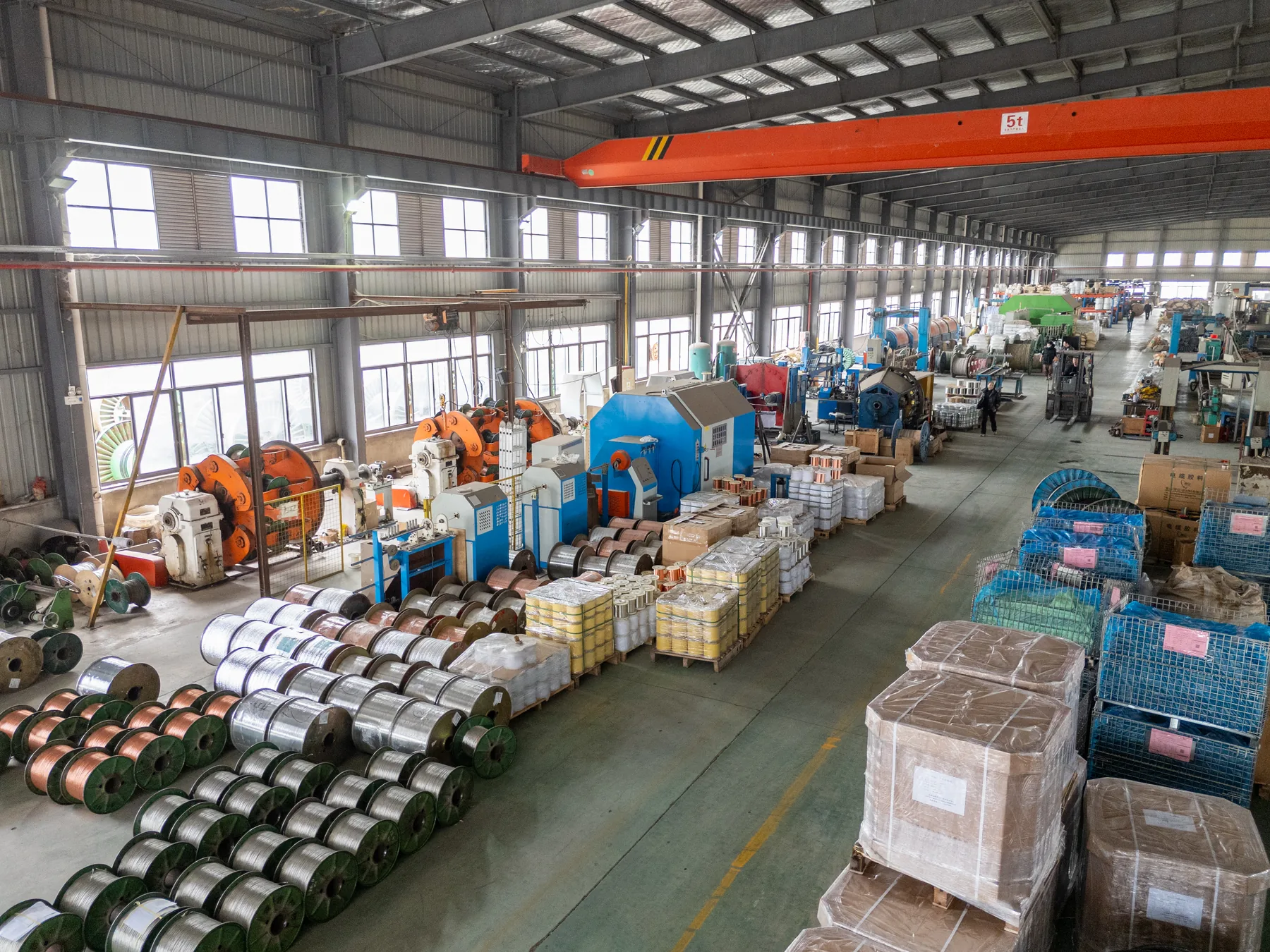
Jiangsu TEBAOFLEX Special Cable Co., Ltd, en production depuis le 14 octobre 2014. N° 77 Wusongbang Road, Fuqiao Town, Taicang City, Jiangsu. Site de plus de 20 000 m² avec 15 000 m² d'ateliers et d'entrepôts, 12 lignes automatisées couvrant le mélange du caoutchouc, l'extrusion, le blindage tressé, le câblage et l'emballage, 8 bancs d'essai, une capacité annuelle de 150 000 km, environ 15 tonnes de cuivre par jour, plus de 30 ingénieurs et plus de 20 brevets. Licences d'import-export propres.
Conditions commerciales, énoncées d'emblée
MOQ de 50 m, donc une commande d'essai est une option réelle. OEM et ODM — votre marque imprimée sur le câble et le touret. Délai de livraison de 7–45 jours ouvrables, confirmé dans le devis écrit. Tourets en acier, acier-bois, bois et plastique export, avec supports sous touret.
Exporté vers plus de 20 pays, avec du câble fourni à des projets de Glencore, Anglo American, BHP, Rio Tinto et Freeport, en RDC, Zambie, Afrique du Sud, Guinée, Chili, Pérou, Brésil, Argentine, Indonésie, Malaisie, Vietnam, Australie, Russie, Allemagne et EAU. Les travaux récents sont documentés dans nos études de cas.
Fabrication de câbles miniers sur mesure et OEM
Environ la moitié de ce qui sort de l'usine n'est pas un article de catalogue. Si la machine était livrée avec un câble qui n'existe plus, ou si le type standard ne s'adapte pas au presse-étoupe, c'est une demande normale et non une demande difficile.
Constructions non standard
Sections et nombres d'âmes hors du tableau des types, âmes pilotes ou de signal supplémentaires, fibre dans la même gaine, et faisceaux combinés puissance plus contrôle.
Sélection du composé
CPE, PCP, PUR et élastomères basse température choisis en fonction des conditions réelles d'abrasion, d'huile, d'ozone et de froid hivernal, plutôt qu'en fonction d'un choix par défaut.
Marquage, tourets et logistique
Votre marque et votre référence imprimées sur le câble et le touret, longueurs continues selon la capacité de votre bobine, type de touret selon votre équipement de manutention, expédition maritime, terrestre, aérienne ou combinée.
Travaux connexes à consulter : Câble traînant minier MT et coupleurs, câble pour jumbo de forage souterrain, et la solutions minières et de tunnellisation vue d'ensemble plus large.
Obtenir un devis de câble minier
Envoyez quatre éléments et nous pourrons chiffrer sans aller-retour : la machine, le la tension, le la juridiction ou la norme, et la longueur et le touret. Si vous avez un numéro de type, celui-ci remplace les trois premiers.
Si vous ne connaissez pas la norme, indiquez où se trouve la mine et s'il s'agit de charbon souterrain — cela nous suffit pour la déterminer.
Ou envoyez un e-mail à sales@tebaoflexcablegroup.com — les plans, les anciennes étiquettes de touret et les photos du câble défaillant sont tous utiles.
FAQ sur le câble minier
Qu'est-ce qu'un câble minier ?
Un câble minier est un câble de puissance flexible, à gaine caoutchouc ou élastomère, conçu pour être traîné, enroulé, écrasé et inondé au quotidien, avec des conducteurs câblés en spirale (rope-lay) et généralement une âme pilote ou de contrôle de terre qui coupe l'alimentation en cas de perte de continuité de terre. C'est autant un dispositif de sécurité qu'un câble de puissance.
Quelle est la différence entre un câble traînant et un câble d'enroulement ?
Un câble traînant est tiré au sol derrière une machine, si bien que l'abrasion et l'écrasement dominent et que la gaine est la pièce d'usure. Un câble d'enroulement est enroulé sur un tambour, si bien que la torsion et la pression du tambour dominent et que le pas de câblage des âmes compte plus que l'épaisseur de la gaine. Utiliser l'un pour le travail de l'autre raccourcit radicalement sa durée de vie.
Quelle norme s'applique à ma mine ?
C'est la juridiction et le type de mine qui décident. L'Australie et la Nouvelle-Zélande utilisent l'AS/NZS 2802 pour tout sauf le charbon souterrain et l'AS/NZS 1802 en souterrain ; le Royaume-Uni et une grande partie de l'Afrique et de l'Inde utilisent la BS 6708 ; l'Amérique du Nord utilise l'ICEA S-75-381 avec UL ; l'Europe et la plupart des projets de tunneliers utilisent des conceptions VDE et DIN. Le tableau ci-dessus les relie aux numéros de type.
Pourquoi un câble minier a-t-il besoin d'une âme pilote ou de contrôle de terre ?
Parce qu'une liaison de terre rompue est invisible jusqu'à ce que quelqu'un ferme le circuit. L'AS/NZS 2802 exige une âme pilote disposée pour couper l'alimentation si le circuit de terre se rompt. D'autres normes obtiennent le même résultat avec un conducteur de contrôle de terre. Dans tous les cas, ce n'est pas une option facultative.
À quelle fréquence un câble minier doit-il être testé ?
Selon l'AS 1747 en Australie, l'essai de routine a lieu tous les trois mois pour les opérations de surface et tous les mois pour les mines souterraines, carrières et dragues. D'autres juridictions fixent leurs propres intervalles. L'essai et la réparation sont aussi là où se situe la majeure partie du coût pratique de la possession d'un câble minier.
Quelles tensions fabriquez-vous ?
Du câble traînant pour machine 0,6/1 kV, en passant par 1,9/3,3, 3,6/6, 6/10 et 8,7/15 kV, jusqu'au câble d'alimentation et d'enroulement 19/33 kV. Au-delà de 3,3 kV, les âmes sont blindées individuellement, et le rayon de courbure minimal augmente suffisamment pour que le dimensionnement du tambour et de la poulie devienne une donnée de conception plutôt qu'un détail.
Fournissez-vous des sections non standard ?
Oui. Les sections hors catalogue, les âmes pilotes ou de signal supplémentaires, la fibre dans la même gaine et les faisceaux combinés puissance plus contrôle sont courants. Nous fabriquons normalement d'abord un court échantillon pour que vous puissiez l'ajuster au presse-étoupe et au touret avant de vous engager sur la longueur complète.
Quelle est la quantité minimale de commande ?
50 mètres. C'est délibérément bas pour qu'un nouveau client puisse tester une longueur sur une machine avant de s'engager dans un changement à l'échelle du site.
Quel est le délai de livraison ?
7–45 jours ouvrables à partir de la commande confirmée, selon la construction et la quantité ; le devis écrit confirme la date réelle. Les constructions non standard ajoutent un délai d'échantillon en amont, qui est indiqué séparément dans le devis.
Pouvez-vous imprimer notre marque sur le câble ?
Oui — OEM et ODM sont la norme ici. Votre marque, votre référence et le marquage métrique sur le câble, et votre étiquette sur le touret. Indiquez-nous la chaîne d'impression exacte et le format de marquage du touret que vous utilisez, car faire correspondre vos registres de stock existants compte plus que le logo.
Êtes-vous une usine ou une société commerciale ?
Une usine. Jiangsu TEBAOFLEX Special Cable Co., Ltd produit depuis 2014 au n° 77 Wusongbang Road, Taicang, Jiangsu, sur un site de plus de 20 000 m² avec 12 lignes automatisées et 8 bancs d'essai. Les audits sont les bienvenus, en personne ou par vidéo, et nous préférons que vous vérifiiez plutôt que vous vous posiez des questions.
De quel câble ai-je besoin pour un tunnelier ?
L'alimentation des tunneliers est normalement un câble d'enroulement de la famille VDE et DIN — blindé, à gaine caoutchouc, et dimensionné pour le tambour et la vitesse d'avancement plutôt que pour le seul courant. Des constructions surveillées sont disponibles lorsque l'autorité du tunnel exige que la continuité de terre soit prouvée en continu plutôt que testée périodiquement.
Révisé par l'équipe d'ingénierie câbles de TEBAOFLEX — une véritable usine produisant du câble minier depuis 2014, titulaire de certificats UL et cUL pour cordons souples UL 62 / CSA C22.2 No. 49 et d'un certificat VDE pour câbles souples sous gaine de caoutchouc EN 50525-2-21. Pour en savoir plus sur nous, consultez la page de l'entreprise, ou parlez à un ingénieur via contact.
Câbles et guides connexes
Guide de sélection des câbles miniers
Les types, à quoi sert chacun, et comment lire une désignation — écrit pour informer plutôt que pour vendre.
Parcourir les câbles miniers et de tunnellisation
Le catalogue complet avec spécifications, coupes transversales et fiches techniques pour chaque numéro de type de cette page.
Solutions minières et de tunnellisation
Applications à ciel ouvert, souterraines et de tunnelier, et quelle famille de câbles convient à chacune.
Vous commandez sous un nom de catalogue ?
Les désignations TENAX, TROMMELFLEX, FELTOFLEX et SCHRÄM sont rattachées aux types VDE qu'elles décrivent, avec les lettres de variante décodées, dans notre correspondance des désignations de câbles miniers. Chaque désignation qui y figure peut être chiffrée et fournie en construction TEBAOFLEX.