


Высоковольтный провод зажигания 25 kV, 250°C и 538°C
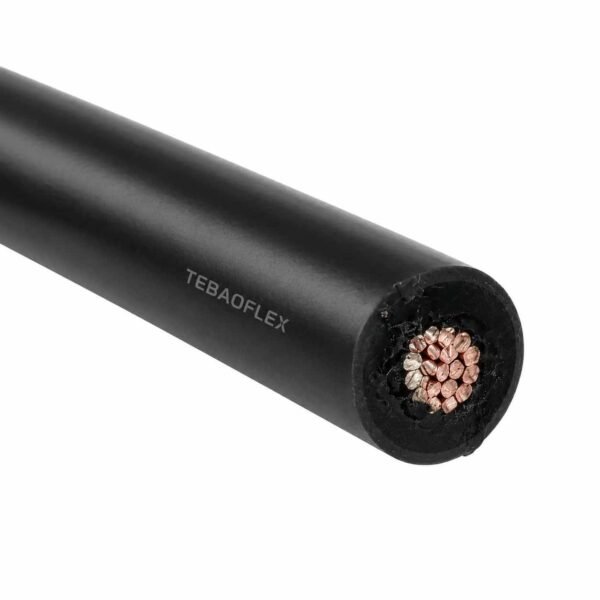
Провод зажигания 25 kV в двух конструкциях: слюда/стекловолокно до 538 °C и фторполимер до 250 °C. Одножильный, неэкранированный, изготавливается по длине трассы.
- Номинальные параметры: 25 kV DC / 17 kV AC, обе сборки
- Конструкция 538 °C: многослойная слюдяная лента + барьер влаги под пропитанной стекловолоконной косой
- Конструкция 250 °C: экструдированный фторполимер, Стиль UL AWM 1911
- Проводник: мелкой никелевой медью, стандарт 18 AWG
- Типичный OD: 8.6 mm (538 °C) / 2.49 mm (250 °C)
- Радиус изгиба: 6 × OD статический (538 °C) / 12 × OD статический (250 °C)
- Экран: Нет — без экрана по дизайну
Укажите требуемую конструкцию, сечение и длину для технического предложения.
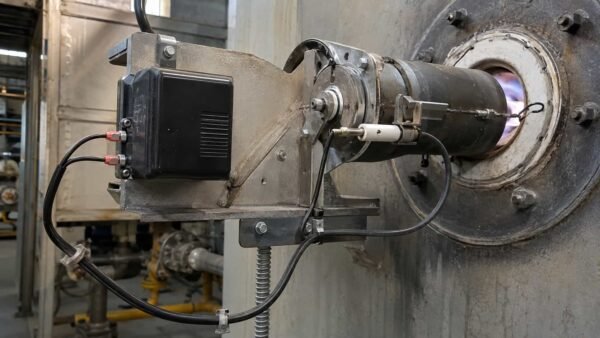
Провод воспламенителя является свинцом между трансформатором зажигания или возбудителем и стержнем искры, и он живет в худшем месте в районе камеры сгорания. TEBAOFLEX создает его в 25 kV DC / 17 kV AC В двух конструкциях, которые разделяют класс напряжения и ничего больше:
A Конструкция из слюды и стекловолокна, рассчитанная на 538 °C (1 000 °F), где изоляция неорганическая, потому что там не выживает полимер — многослойная слюдяная лента с барьером влаги под пропитанной стекловолоконной косой. И еще Фторполимерная сборка 250 °C в Стиль UL AWM 1911, который обменивает верхнюю часть температурного диапазона на проволоку менее чем на треть диаметра и гораздо лучшую устойчивость к маслу, растворителю и истиранию.
Оба используют мелко никелевую медь, оба являются неэкранированными одиночными ядрами, и оба сделаны на длину пробега между трансформатором и стержнем. Какой из них вам нужен, решает один номер: Температура, которую проводник фактически достигает на конце терминала — не комнатная температура, и не температура пламени.
Они находятся в полном классе над двигателем 7–10 kV, а горелка ведет в другое место в нашем диапазоне и выше. провод зажигания факельной установки25 kV DC, но только 10 kV AC и 250 °C. Для полной картины материала и температуры см. матрица выбора высокотемпературных проводов и остальная часть высокотемпературный кабель диапазон.
Отправьте температуру проводника на стержень, выход трансформатора и длину пробега, и мы расскажем вам, какой из двух вы должны купить, в том числе, когда ответ будет дешевле.
Две сборки, один класс напряжения. Проводник и работа идентичны. Изоляционная система - это место, где они разделяют компанию, и этот выбор устанавливает диаметр, жесткость и цену.
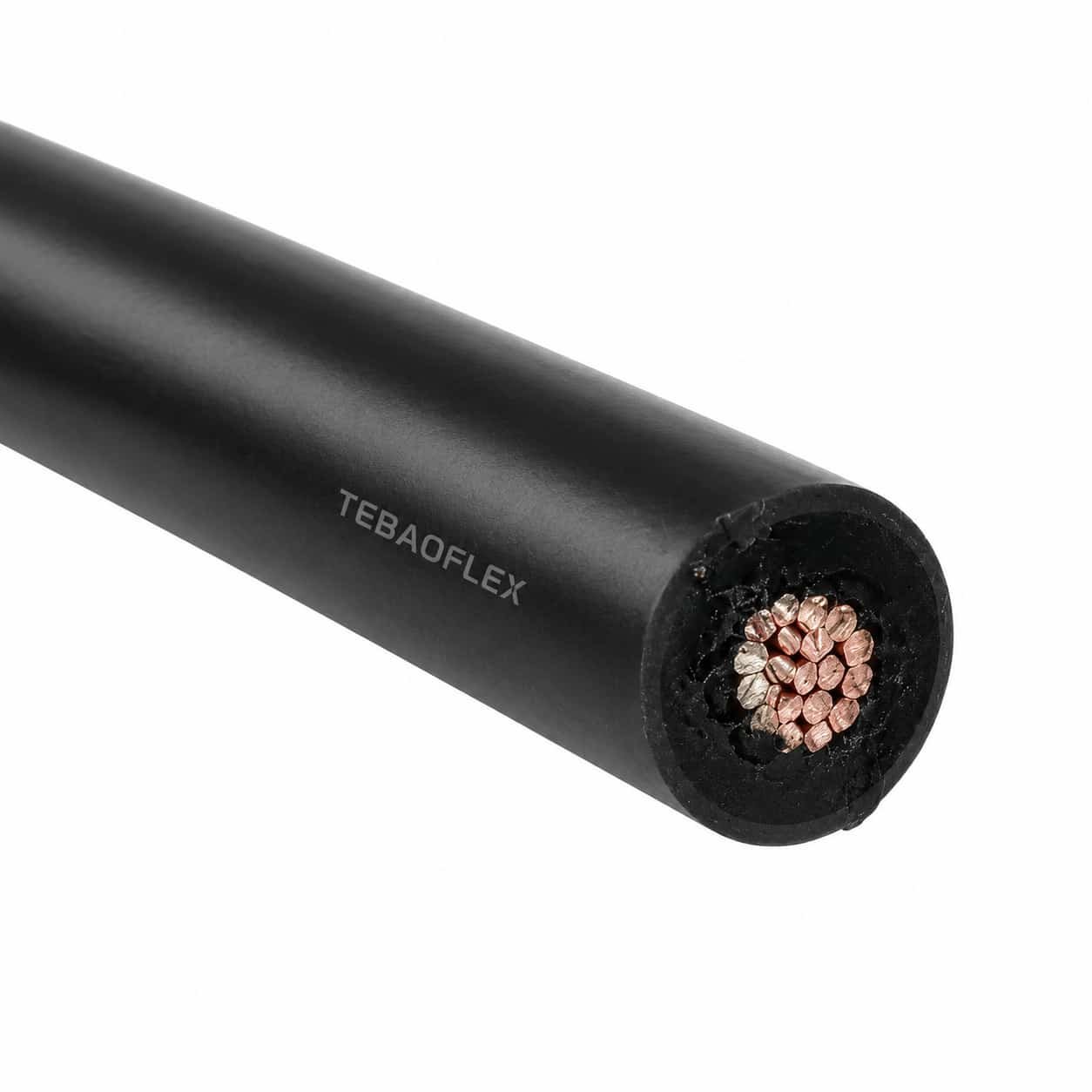
Конструкция 538 °C: слюда и стекло
- Проводник: тонкопроволочная никелированная медьСтандарт 18 AWG. Никель не является предпочтительным при этой температуре, это единственная распространенная покрытие, которое выживает.
- Изоляция: многослойная слюдяная лента, спирально завернутый. Мика – это минерал, а не полимер, вот в чем суть. В 538 °C не осталось пластика, чтобы расплавиться, потому что никогда не было пластика, делающего изоляцию.
- Влажный барьер: тонкий PTFE барьер в обертке. Одна из слабостей слюды заключается в том, что она будет поглощать влагу, а мокрая слюда не является изолятором. Барьер защищает обертку во время хранения, установки и стирки.
- Оболочка: одну пропитанная стекловолоконная оплётка, законченный так, чтобы он не дрался, когда он разрезан и прекращен.
Конструкция 250 °C: фторполимер, UL AWM Style 1911
- Проводник: той же мелкой никелевой меди.
- Изоляция: экструдированный фторполимерЭто и диэлектрик, и куртка. Один слой делает все.
Это вся конструкция, и именно поэтому эта версия составляет долю диаметра. Он также несет в себе UL AWM стиль, который слюда построить не может, потому что ни один стиль AWM не описывает слюда-и-стекло высоковольтной конструкции.
Почему горячий толще, а холодный тоньше
Слюдяная лента должна быть завернута, а не экструдирована, и обернутому диэлектрику нужно гораздо больше поворотов, чтобы достичь той же выдержки, чем экструдированному нужен миллиметр. Добавьте стеклянную косу, и 538 °C построит земли примерно 8,6 мм на проводнике 18 AWG. Версия фторполимера достигает того же 25 kV DC в 2,49 мм. Один и тот же проводник, одно и то же напряжение, в три с половиной раза больше диаметра, и каждый кусочек этой разницы - это цена дополнительного 288 °C.
Радиус изгиба: перемножьте значения перед сравнением
Постройка 538 °C указана в 6 × OD статический, 8 × OD динамический. Фторполимерная сборка является 12 × OD статический, 15 × OD динамический. Читая как мультипликаторы, горячий выглядит в два раза более гибким. Это не так. Перемножьте значения: 6 × 8,6 mm — это 52 мм статический радиус; 12 × 2.49 mm является 30 мм. Тонкий провод по-прежнему проходит самый тесный поворот с большим запасом. Множители радиуса изгиба следует сравнивать только внутри одной конструкции; между конструкциями они вводят в заблуждение, и именно эта пара часто сбивает с толку.
Нет экрана, и это преднамеренно.
Ни одна конструкция не имеет металлического экрана или дренажного провода. На схеме зажигания 25 kV экран находится где-то для разряда, который не является стержнем. Оплетка из стекловолокна на горячую сборку механическая и термическая; Не скрепляйте его и не прекращайте как щит.
Прослушка Igniter имеет одну обязанность, и она неумолима: доставить искру к стержню, который находится рядом или внутри пламени. Все на этой странице следует из температуры, которую проводник достигает на этом конце.
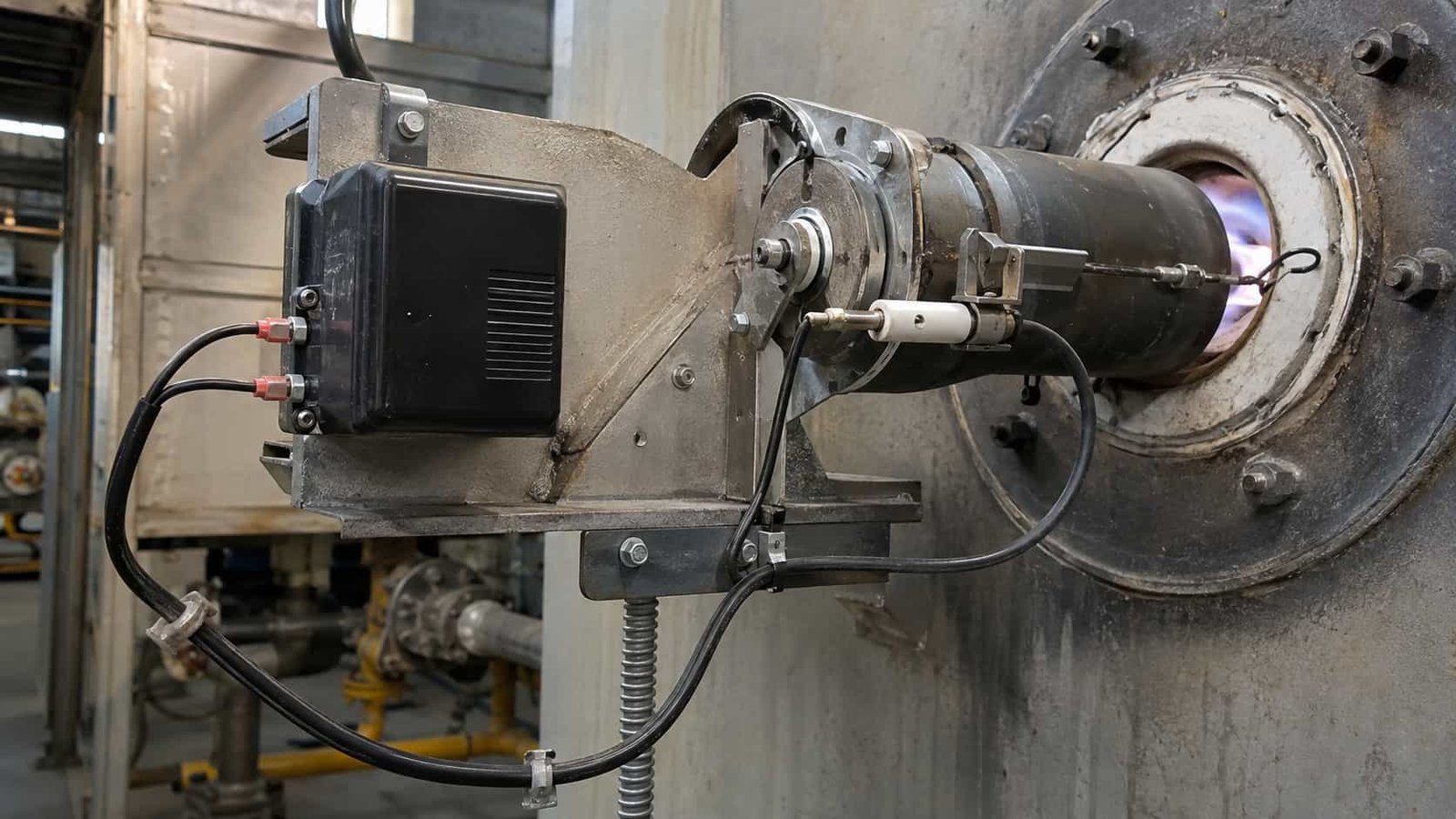
Где применяется
- Воспламенители промышленных горелок - технологические обогреватели, реформаторы, печи и печи с использованием зажигания с помощью искрового стержня.
- Воспламенение котла и упаковочного котла — газовые и нефтяные, в том числе выдвижные воспламеняющие сборки.
- Воспламенители газовых турбин и испытательных элементов двигателя — короткие пробежки, высокое количество циклов, высокая атмосфера.
- Запальники инсинераторов и термоокислителей — классический корпус для сборки 538 °C.
- Пилоты Flare где воспламенитель сидит на кончике, а не в классе. Для долгого бега вверх по стеку, см. провод зажигания факельной установки.
- Системы высокоэнергетического зажигания (HEI) - возбудители емкостного разряда, питающие воспламенитель поверхностного или воздушного разрыва.
Какое из двух зданий вам нужно
Это единственное решение на этой странице, которое имеет значение, и оно включает температура проводника на конце терминала — не окружающей среды в горелке, и уж точно не температуры пламени.
| Если проводник на стержне видит... | Купить | Потому что |
|---|---|---|
| Вплоть до 250 °C | Фторполимер, UL AWM 1911 | Четверть диаметра, более жесткий реальный радиус изгиба, лучшее сопротивление масла и растворителя, перечисленный номер стиля и дешевле |
| 250 °C в 538 °C | Слюда / стекловолокно | Ни один полимерный диэлектрик не выживает выше примерно 260 °C непрерывно. Изоляция должна быть неорганической |
| Ты не знаешь, | Мера перед покупкой | Покупка сборки 538 °C «для безопасности» означает в четыре раза больший диаметр, более жесткий маршрут и большую железу для запаса, который вам может не понадобиться. |
Чрезмерное определение здесь не бесплатно. Слюда более громоздкая, жесткая и дорогая, а на плотной сборке воспламенителя дополнительный диаметр может быть причиной того, что она не подходит к трубопроводу, который у вас уже есть.
Где не работает воспламенитель
- На сплайсе, каждый раз. Сплайс поля на свинце 25 kV является изготовленным слабым местом — разряд найдет его, прежде чем он найдет стержень. Заказать длину пробега и закончить на обоих концах должным образом; Не присоединяйтесь к двум отрубам.
- В конце концов, из-за жары у вас не было бюджета. Стержень проводит тепло обратно в свинец. Если последняя 300 mm обесцвечивается или коса стала хрупкой, температура проводника выше, чем вы указали.
- Из влаги в слюде. Мокрая слюда перестает изолировать. Держите катушку запечатанной, разрежьте только то, что вам нужно, и прекратите разрез в тот же день.
- От изгиба, который треснул обертку. На слюде строят излом, способный разбить обертку без маркировки косы. Он пройдет визуальную проверку и потерпит неудачу через несколько месяцев в качестве прерывистой осечки.
- От обработки косы как экрана. Склеивание оплетки из стекловолокна не делает ничего электрически и может ввести в заблуждение следующего техника, думая, что схема экранирована.
Для чего этот провод не предназначен
- Ни двигателя, ни мелкого сжигателя. Использование 7–10 kV Силиконовый кабель зажигания 7–10 kV или Style 3304 / 3573 10 kV, провод зажигания. Оплата 25 kV и 538 °C на основе генсета — это деньги, потраченные на ничто.
- Не оборудование внутренней проводки HV. Для проводов внутри шкафа или набора изображений или тестов, используйте высоковольтный силиконовый провод UL 3239 или UL 10475.
- Не общий провод для связи с 538 °C. Мика-стеклянный монтажный провод на 300–600 V — другой, гораздо более тонкий продукт; не покупайте провод 25 kV для разводки клеммной коробки печи.
- Это не экранированный высоковольтный кабель. Ни экрана, ни дренажного провода, по дизайну.
- Ни термопары, ни стержня. Пламенное доказательство представляет собой отдельную схему с собственным кабелем.
Выводам оборудования в горячей зоне на 300 В нужна иная конструкция, чем у этого провода зажигания, например слюдостеклянный провод UL 5390 с номиналами 550°C и 300 В переменного тока для внутреннего монтажа оборудования.
Оба строятся бок о бок
| Параметр | Конструкция из слюды/стекловолокна | Фторполимерная сборка |
|---|---|---|
| Температура проводника Max | 538 °C (1 000 °F) | 250 °C (482 °F) |
| Номинальное напряжение | 25 kV DC / 17 kV AC | 25 kV DC / 17 kV AC |
| тип UL AWM | Нет — строительство с заводским рейтингом | Стиль 1911 |
| Жила | Тонкопроволочная никелированная медь | Тонкопроволочная никелированная медь |
| Стандартный размер | 18 AWG (16/30 проволок) | 18 AWG (19 проволок) |
| Изоляция | Многослойная слюдяная лента с барьером влаги | Экструдированный фторполимер |
| Оболочка | Пропитанная стекловолоконная оплётка | Фторполимер — это куртка |
| Экран | Отсутствует | Отсутствует |
| Типичный OD | 8.6 mm (0.339 in) | 2.49 mm (0.098 in) |
| Типичный вес | 75 кг/км | 16 кг/км |
| Радиус изгиба, статический | 6 × OD (около 52 mm) | 12 × OD (около 30 mm) |
| Радиус изгиба, динамический | 8 × OD (около 69 mm) | 15 × OD (около 37 mm) |
| сопротивляться | Тепло, сгибание | Тепло, сгибание, химические вещества, истирание |
Фторполимерная сборка — размеры и классы напряжения
Конструкция UL AWM 1911 масштабируется, потому что стена экструдирована и может быть сделана толще для более высокого класса. Типичные готовые размеры:
| Класс | AWG | Проволоки | Типичный OD (mm) | Типичный OD (in) | Типичный вес (kg/km) |
|---|---|---|---|---|---|
| 10 kV DC | 24 | 7 | 1.56 | 0.062 | 5.7 |
| 10 kV DC | 22 | 7 | 1.73 | 0.068 | 7.5 |
| 10 kV DC | 20 | 7 | 1.90 | 0.075 | 9.6 |
| 10 kV DC | 18 | 19 | 2.08 | 0.082 | 12.6 |
| 25 kV DC | 20 | 7 | 2.30 | 0.091 | 12.5 |
| 25 kV DC | 18 | 19 | 2.49 | 0.098 | 15.9 |
| 30 kV DC | 20 | 7 | 2.51 | 0.099 | 14.2 |
| 30 kV DC | 18 | 19 | 2.69 | 0.106 | 17.7 |
Прочитайте стол вниз по столбцу, а не поперек. Проводник 18 AWG появляется в 10, 25 и 30 kV, и это один и тот же проводник каждый раз — 2.08, 2.49 и 2.69 mm готового диаметра — стена растет, а не медь. текущие размеры проводника; Напряжение покрывает стену. Подъем двух классов кВ на одном и том же 18 AWG стоит 0.6 mm диаметра и около 5 kg/km, и в этом вся разница.
Конструкция из слюды/стекловолокна — размеры
18 AWG в 8.6 mm является стандартным предложением и покрывает большую часть пошлины. другие размеры проводников изготавливаются на заказ; Поскольку количество обертывания и плетение устанавливаются классом напряжения, а не проводником, готовый диаметр не масштабируется так, как экструдированный провод. Готовые OD и вес для нестандартных размеров подтверждаются на строительном чертеже перед производством.
Общий для обоих
| Параметр | Значение |
|---|---|
| Жилы | Одножильный, неэкранированный |
| Покрытие жилы | Никель |
| Длина | Сделано, чтобы длиться; поставляется как один непрерывный кусок, не сплайсованный |
| Рутинный тест | Испытание прикладного напряжения на каждой длине производства, поставляемая запись |
| Оконцевания | Кольцевые коврики, сапоги и сборки желез, установленные и испытанные по запросу |
Что покрывает каждое здание
| Справочно | Область применения | Как это применяется здесь |
|---|---|---|
| Стиль UL AWM 1911 | Высоковольтный электропроводный материал прибора: медь с никелевым покрытием, фторполимерная изоляция, 250 °C, с рейтингом 25 kV DC и выше | Охватывает сборка фторполимеров на этой странице. Если ваша спецификация требует перечисленного номера стиля, это тот, который нужно записать. |
| (без стиля AWM) | Слюдяная лента + влагозащитный барьер + пропитанная оплетка из стекловолокна в 25 kV | Этот Конструкция 538 °C имеет заводскую классификацию. Ни один стиль AWM не описывает высоковольтный свинец слюды и стекла, поэтому сравните его по количеству слоев и обертке, а не по числу. |
| Стеклянные стили UL AWM (5107, 5128 и аналогичные) | Мика и стекло подключение обычно 300–600 V в 450–538 °C | Те же материалы, разная работа. Это стили терминальной коробки и печи, а не зажигания 25 kV. Цитирование одного для обязанности воспламенителя является ошибкой категории. |
| RoHS | Ограниченные вещества | Обе сборки поставляются с соблюдением RoHS. |
| Текущее испытание приложенным напряжением | Заводское испытание каждого изготовленного отрезка | Каждый отрезок испытывается напряжением до отгрузки, протокол отправляется вместе с катушкой. |
17 kV AC здесь, 10 kV AC на факельном кабеле — тот же 25 kV DC
Оба продукта являются 25 kV DC, и покупатели обоснованно предполагают, что показатели AC также совпадают. Они этого не делают, и причина в диэлектрике. Завернутая система слюды и экструдированная фторполимерная стена удобно удерживают гребень 25 kV DC, и оба удерживают 17 kV AC; толстая силиконовая стена, используемая на провод зажигания факельной установки оценивается 10 kV AC В том же классе DC. Устойчивое напряжение частоты и мощности отличается от гребня разряда, и это число, которое отделяет аналогичные продукты. Если ваш трансформатор зажигания производит непрерывную дугу AC, а не емкостный разряд, фигура AC — это тот, который решает вашу покупку.
Какой номер стиля вам не подскажет
Style 1911 фиксирует материал, температуру и класс напряжения. Он не фиксирует нити, процент покрытия, концентриситет стены или то, как провод ведет себя после двух тысяч тепловых циклов рядом с горелкой. Две цитаты «UL 1911, 25 kV, 18 AWG» могут быть совершенно разными. Попросите зацепку и обшивку, и попросите чертеж конструкции до заказа, а не после.
Что нужно от вас для расчёта
- Температура проводника на конце терминала измеряется, если это возможно; Только это позволяет строить
- Выход трансформатора или возбудителя: DC или AC, и фигура kV
- Пробег между трансформатором и стержнем и находится ли он в канале
- Детали завершения на обоих концах: размер шпильки, тип коврика, сапог, железистая нить
- Подсчет цикла и то, перемещается ли свинец в обслуживании - выдвижные воспламенители являются гибкой обязанностью
Сертификация TEBAOFLEX
Jiangsu TEBAOFLEX Special Cable Co., Ltd имеет сертификат UL UL-US-2449012-0 и сертификат cUL UL-CA-2437036-0, оба от 27 декабря 2024 года по отчёту E542560-20241225, а также сертификат VDE 40060055 от 28 марта 2025 года. Это сертификация уровня компании. Отправьте конструкцию, класс кВ и размер для заказа; мы подтвердим применимый объём одобрения до обязательства.
Документация, предоставляемая с заказом
- Чертёж конструкции с подтверждёнными готовым OD и весом для согласованных исполнения и размера
- Протоколы текущих испытаний производственной партии, включая испытание приложенным напряжением
- Сертификат соответствия с указанием согласованной конструкции и параметров
- Катушка и упаковочный лист с маркировкой и длиной трассы
По области действия конкретного стандарта обращайтесь непосредственно в организацию-издатель — UL Solutions В стиле AWM.
Варианты кабелей по теме
Сравните эти варианты кабелей по сочетанию функций, характеру перемещения, нагрузке, напряжению и требованиям к передаче.
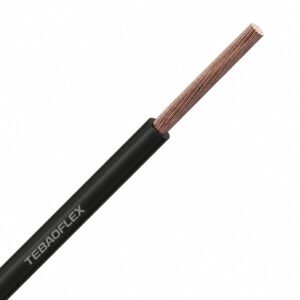
Кабель зажигания и запальника факельной установки 25 kV DC / 10 kV AC, 250°C
Другой вариант кабеля для иного применения или режима эксплуатации.
Посмотреть товар
Силиконовый кабель зажигания 7/10 kV
Другой вариант кабеля для иного применения или режима эксплуатации.
Посмотреть товар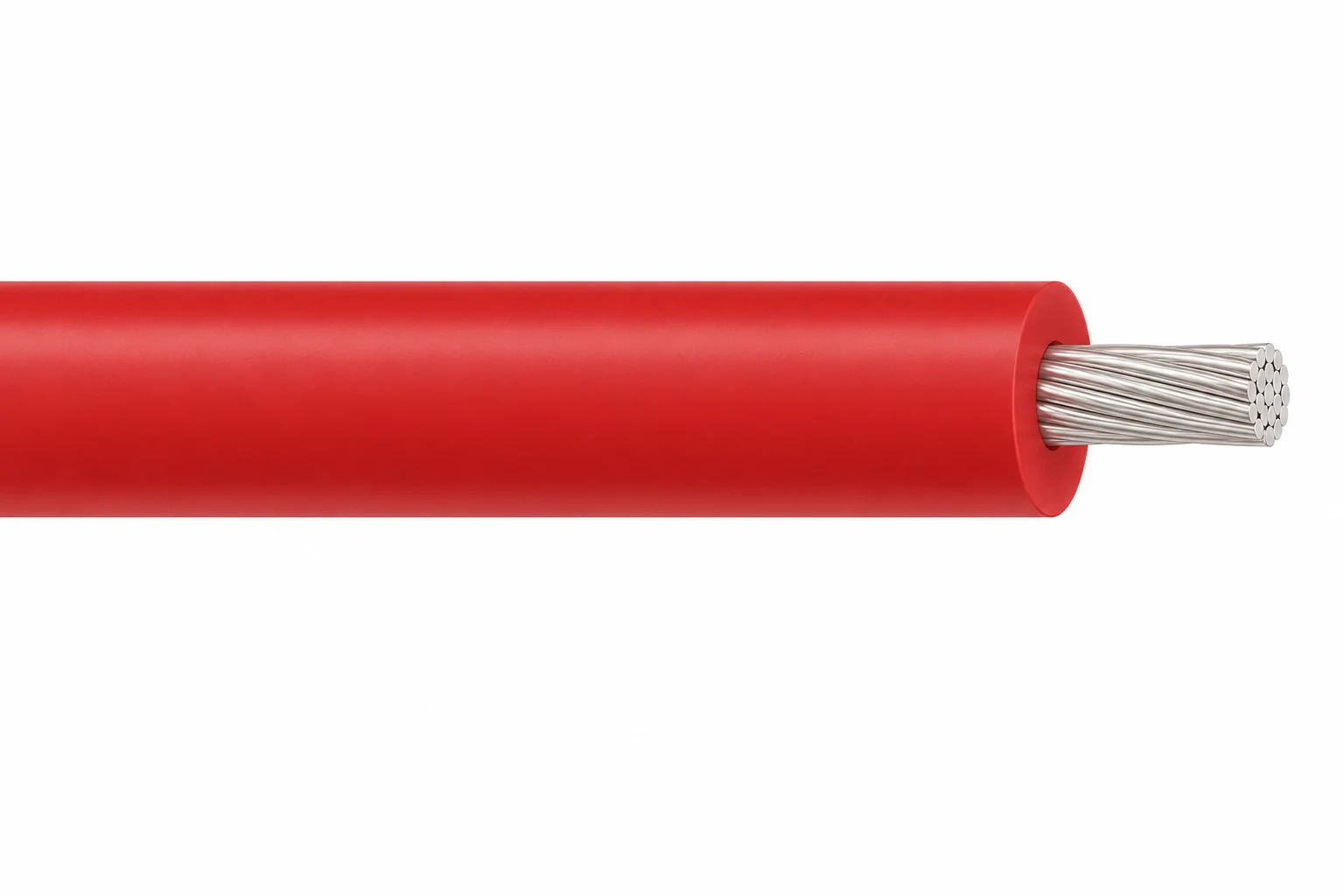
Высоковольтный силиконовый провод, 3–60 kV DC
Другой вариант кабеля для иного применения или режима эксплуатации.
Посмотреть товарЗапросите рекомендации по выбору кабеля и коммерческое предложение.
Укажите требуемые функции кабеля, длину, механические нагрузки и режим работы, условия окружающей среды, оконцевание и количество. Наша команда оценит условия применения перед подготовкой коммерческого предложения.
- Укажите название продукта или артикул, а также необходимую длину кабеля и количество.
- При наличии приложите техническое задание, чертеж или спецификацию.