

High Temperature Silicone Rubber SIA / SIAF Cable
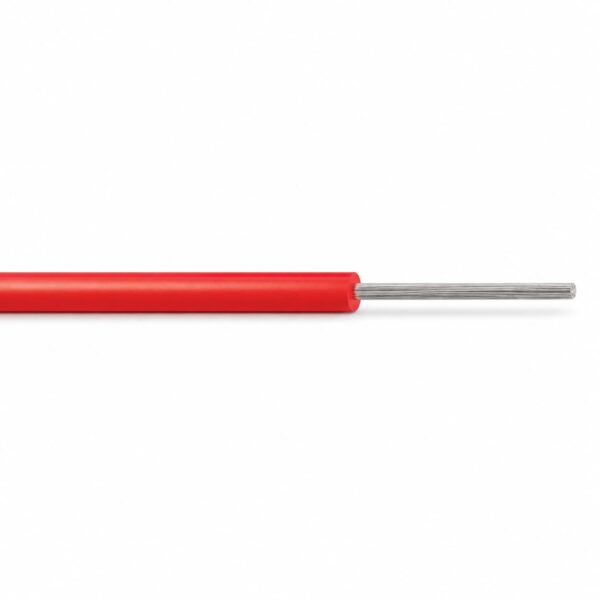
High Temperature Silicone Rubber SIA / SIAF Cable is a TEBAOFLEX cable for the application and operating conditions identified in the original product record. SIAF cable is a high temperature silicone rubber insulated cable designed for fixed wiring in environments where continuous heat resistance, flexibility and reliable electrical performance are required. The source record places this product in high temperature cables. Before ordering, confirm the exact product variant, conductor or core arrangement, system rating, route conditions, equipment connection and required documentation against the project specification. Send the exact size, length, installation duty and documentation requirements for a technical quotation.
High Temperature Silicone Rubber SIA / SIAF Cable is a TEBAOFLEX cable for the application and operating conditions identified in the original product record. SIAF cable is a high temperature silicone rubber insulated cable designed for fixed wiring in environments where continuous heat resistance, flexibility and reliable electrical performance are required. The source record places this product in high temperature cables. Before ordering, confirm the exact product variant, conductor or core arrangement, system rating, route conditions, equipment connection and required documentation against the project specification. The requested High Temperature Silicone Rubber SIA / SIAF Cable should be evaluated as a complete cable assembly: review its intended equipment, conductor arrangement, installation method, movement duty, environment, terminations, dimensions and required documentation together. The V2 layout keeps the source-listed construction, application, technical and standard information available for a controlled engineering and procurement review. Use the Request Quote section to confirm the exact configuration, route conditions and documentation requirements before production or replacement ordering. For a reliable quotation, provide the cable marking, requested length, installation environment, load or signal duty, termination details and any required test or compliance documents.
High Temperature Silicone Rubber SIA / SIAF Cable construction
Cable Construction
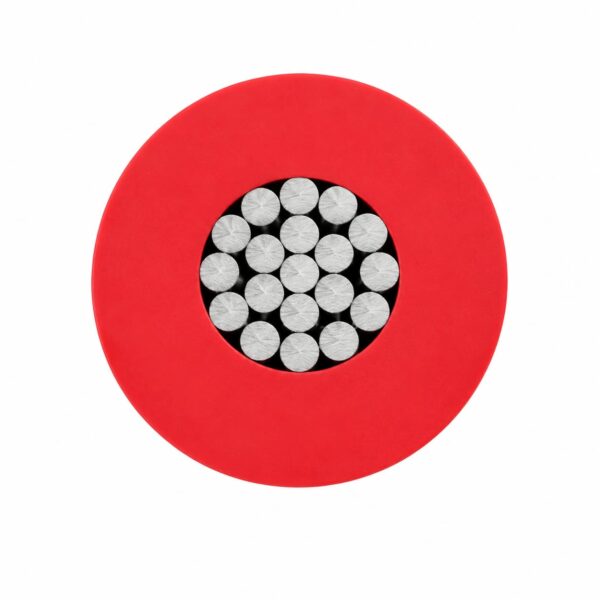
- SIA Conductor: Class 1 solid copper conductor, plain or tinned.
- SIAF Conductor: Class 5 flexible copper conductor, plain or tinned.
- Insulation: Silicone rubber insulation for high temperature fixed wiring.
- Sheath / Insulation Colours: Black, blue, brown, red, white, grey, violet, pink, orange, yellow and green/yellow.
High Temperature Silicone Rubber SIA / SIAF Cable applications
Applications
- Power plant wiring and heat-exposed electrical installations
- Industrial processing machinery and production equipment
- Packaging machinery and equipment wiring
- Refrigeration systems and low temperature fixed installations
- Foundries and other high temperature industrial areas
- Aircraft construction and shipbuilding applications
- Fixed wiring where standard PVC insulated cables are not suitable
Selection checks
Confirm the equipment interface, installation method, route length, movement or flexing duty, environmental exposure, conductor or core requirements and project documentation before final selection.
High Temperature Silicone Rubber SIA / SIAF Cable specifications
The source-listed technical notes are retained below. Confirm the final size, tolerance, installation basis and ordered configuration before release.
SIAF Cable for High Temperature Fixed Wiring
SIAF cable is a silicone rubber insulated cable developed for fixed wiring in applications where sustained heat resistance and dependable electrical performance are important. The product range also includes SIA cable with a solid conductor, giving buyers a choice between solid core and flexible core constructions for different installation requirements.
SIA and SIAF Cable Size Options
SIA solid core silicone cable is available in common conductor sizes including 0.5mm², 0.75mm², 1mm², 1.5mm², 2.5mm², 4mm², 6mm² and 10mm². SIAF flexible silicone cable is available from small control wiring sizes such as 0.25mm² and 0.35mm² up to larger power sizes including 95mm², 120mm², 150mm², 185mm², 240mm² and 300mm².
Source-listed technical tables
The tables below retain the original product data, including units, ranges and ordering examples.
| Product Name | High Temperature Silicone Rubber SIA / SIAF Cable |
| Cable Type | Single core silicone rubber insulated cable |
| Standards | EN 50525-2-41, IEC/EN 60228 |
| Voltage Rating - SIA | 300/500V |
| Voltage Rating - SIAF | 0.25mm² to 6mm²: 300/500V; 10mm² and above: 0.6/1kV |
| Temperature Rating | Fixed installation: -60°C to +180°C |
| Minimum Bending Radius | Fixed installation: 4 x overall diameter |
| SIA Size Range | 0.5mm² to 10mm² |
| SIAF Size Range | 0.25mm² to 300mm² |
High Temperature Silicone Rubber SIA / SIAF Cable standards and compliance
The following standard references are carried over from the original product record. They identify the source basis and do not replace project-specific certification or inspection requirements.
- Standards EN 50525-2-41, IEC/EN 60228
Where a project requires a test report, certificate, marking record or inspection release, include that requirement in the quotation request.
Request a cable recommendation and quotation
Send the required services, cable length, mechanical duty, environment, termination and quantity. Our team will review the application before quoting.
- Include the product name or SKU plus the required cable length and quantity.
- Attach a specification, drawing or data sheet when available.