

TEBAOFLEX Technical Resources
Cable Engineering Blog
Practical guides for selecting cables by voltage, construction, movement, environment and application. New technical articles across mining, tunnelling, marine, offshore, airport, port and industrial projects are collected here automatically.
Latest Cable Engineering Articles
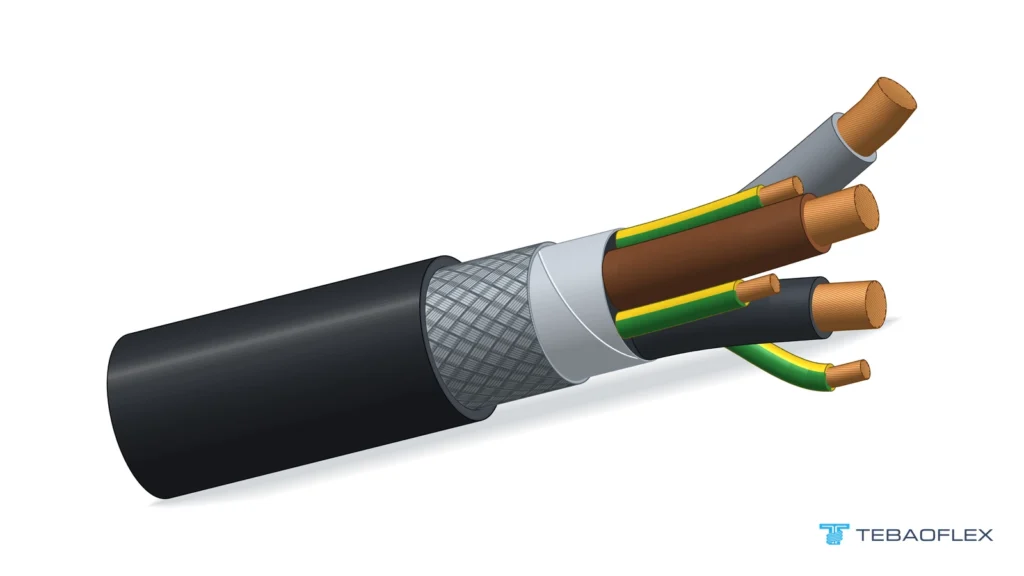
What Is VFD Cable? Insulation, Grounds and Shield Explained
VFD cable is the power cable between a drive and its motor. How its insulation, ground conductors and shield differ from standard power cable, which codes apply, and…

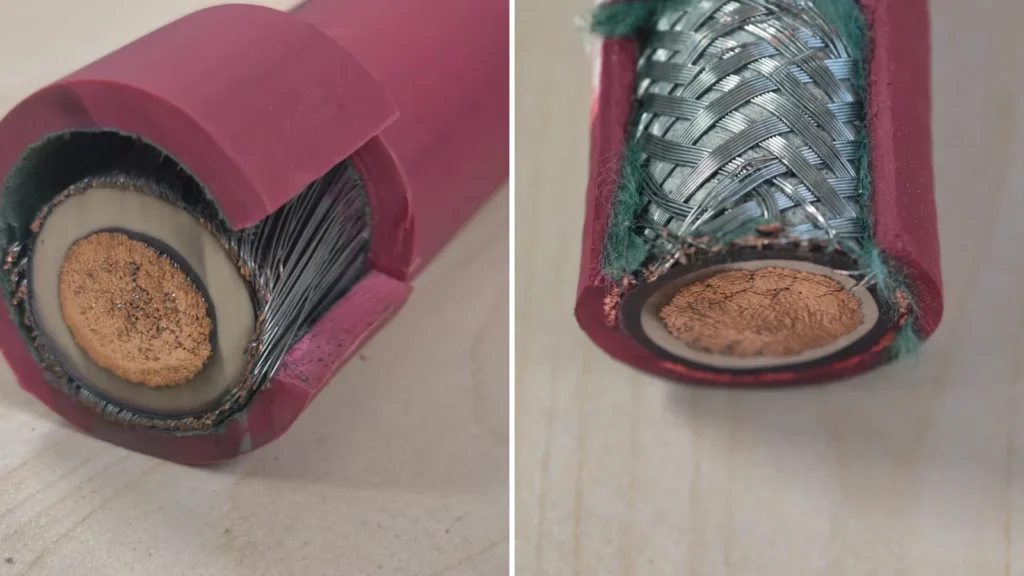
Spiral Shield vs Braided Shield: Tinned Copper Construction Compared
A spiral (serve) shield lays tinned copper wires in one helical direction; a braided shield interweaves them. Compared on TEBAOFLEX factory samples, with braid coverage explained and a…
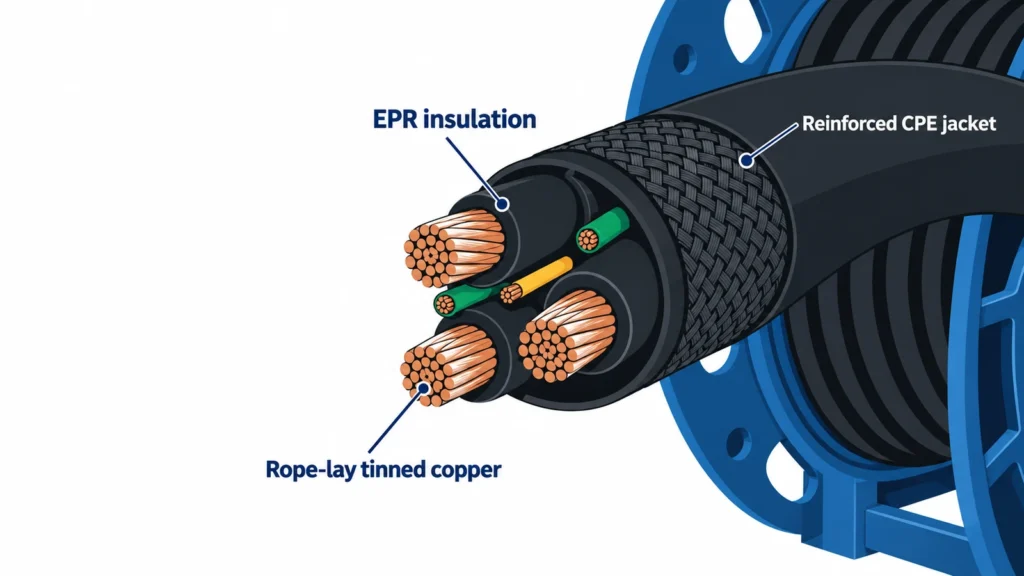
EPR Insulation Explained: Why Flexible and Portable Cables Use It Instead of XLPE
EPR insulation is the cross-linked ethylene propylene rubber inside mining, reeling, locomotive and portable cables. How it compares with XLPE and XLPO, and which to specify by duty.
Automotive Wire: GXL vs TXL & How to Choose
Learn what automotive wire is, how GXL and TXL compare, why moisture can wick through stranded copper, and what to specify for a vehicle harness.
What Is SO Cord? Meaning, Uses and How to Read Its Markings
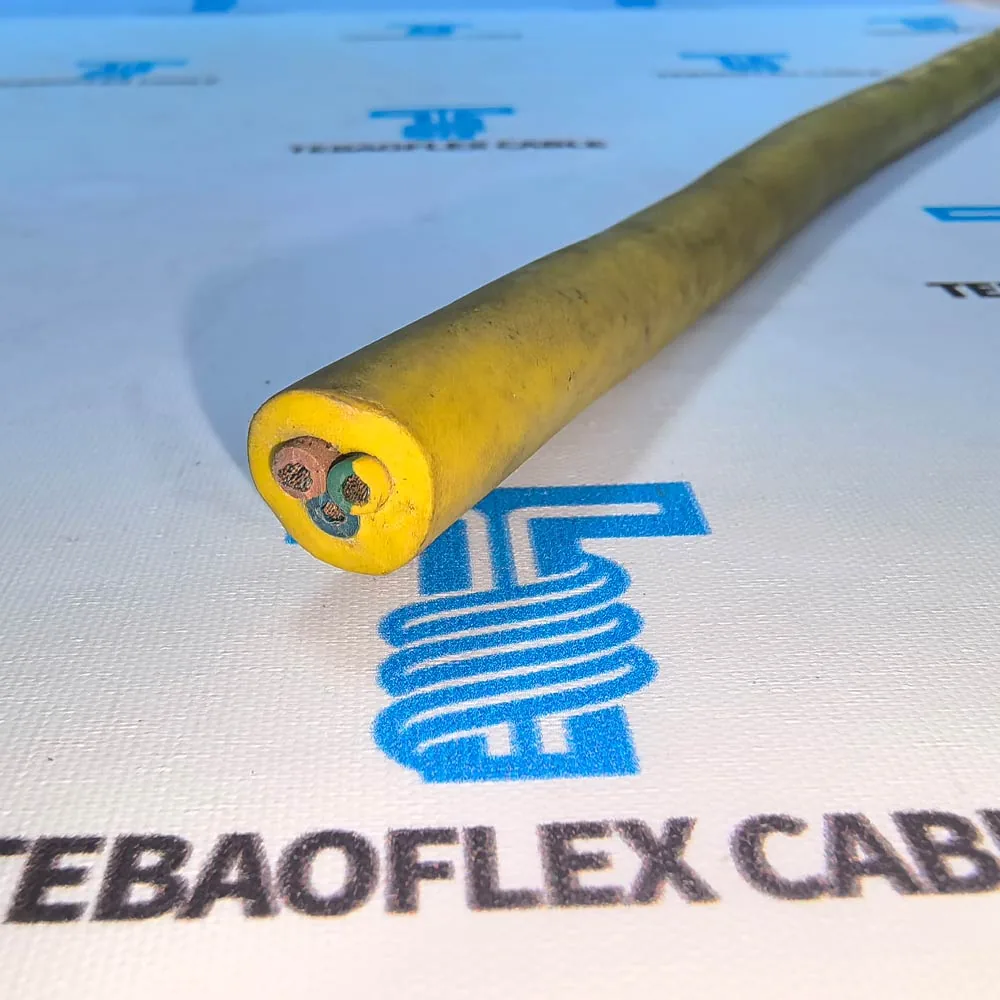
Learn what SO cord means, where it is used, and how to read type, AWG, conductor count and voltage markings, with a sample photo and a labeled example.
SOOW vs SJOOW vs SEOOW: What the Cord Letters Mean and Which to Specify
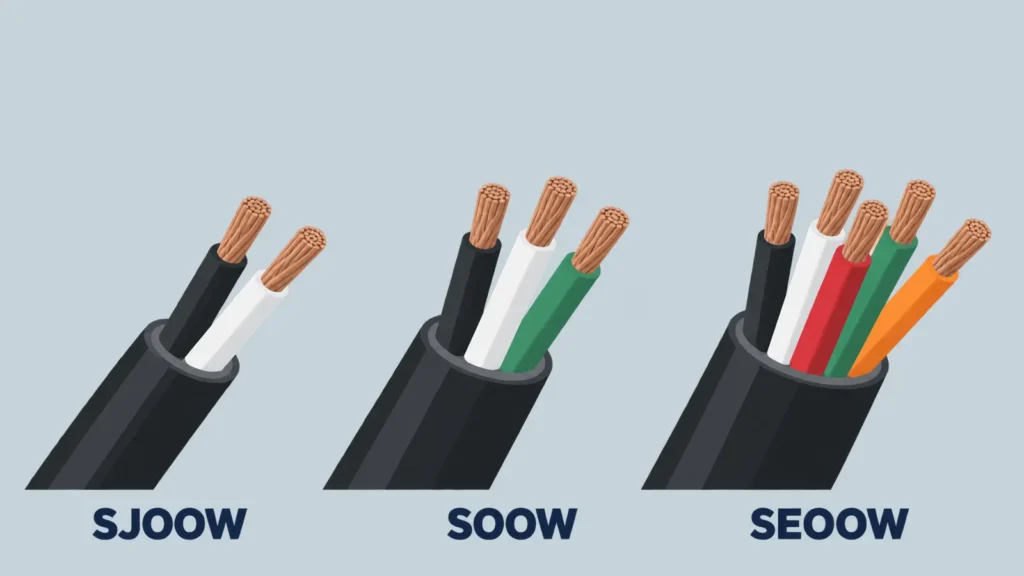
SOOW, SJOOW and SEOOW are all UL 62 portable cords. The J changes the voltage, the E changes the compound, and neither changes the ampacity. What each letter…
Oil Resistant Cable: PR I vs PR II
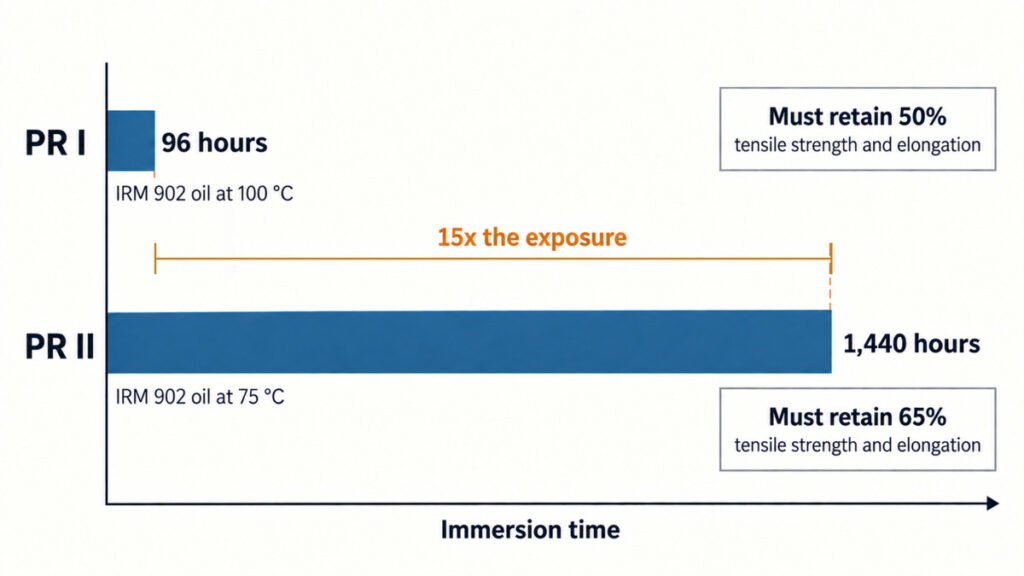
PR I is a 96-hour oil immersion, PR II is 1,440 hours with a higher pass mark. What the two UL ratings prove, and how to specify oil…
High Temp Wire Insulation: What a 200°C Rating Really Means
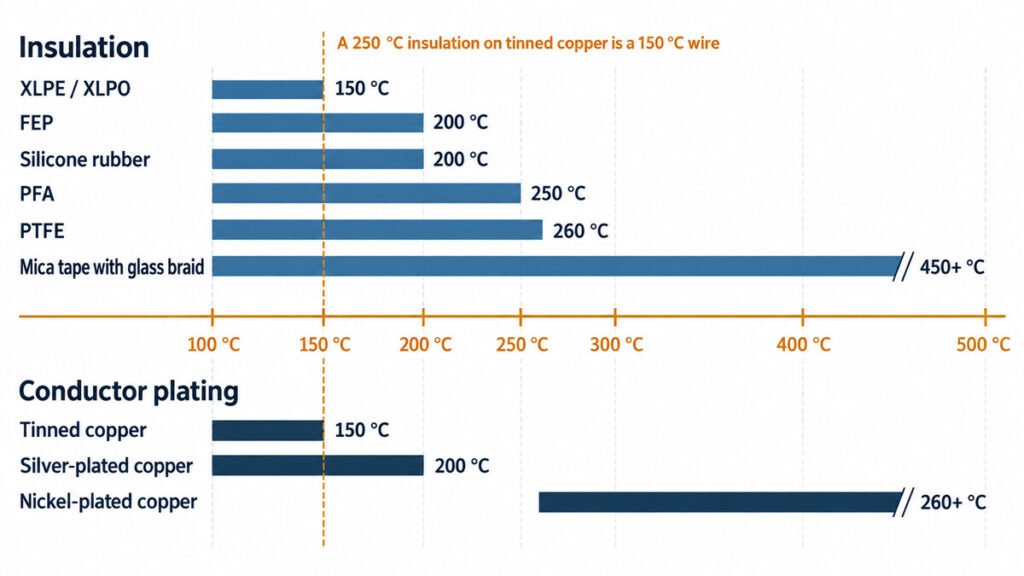
Silicone, PTFE, PFA, FEP and mica-glass compared by what limits each in service, and why the conductor plating often sets the real temperature ceiling.
Abrasion-Resistant Mining Cable for Mobile Equipment
The jacket almost always fails before the conductor does. How CPE, TPU/PUR and PVC compare for abrasion duty, how it’s tested, and how to match the construction to…
Project support
Need help matching a cable to the application?
Send the voltage, conductor size, equipment duty, cable movement, environment and required quantity for an engineering review.