
High Voltage DC & Test Cables
High-voltage equipment, laboratory and test connections
Choose high voltage cable by waveform, duty and construction
High voltage DC and test cables connect high-voltage power supplies, equipment and test systems. Compare published silicone, FEP and PFA equipment leads by their stated DC working voltage, conductor size, temperature and finished diameter. Choose an unshielded lead, a semiconductive-layer design or a copper-braid shielded cable according to the circuit and termination. The Lithuania test-van case is a separate project reference with AC continuous and short-duration DC test conditions. A test voltage is not the continuous working rating of a cable.
Published cable families and test-cable project reference
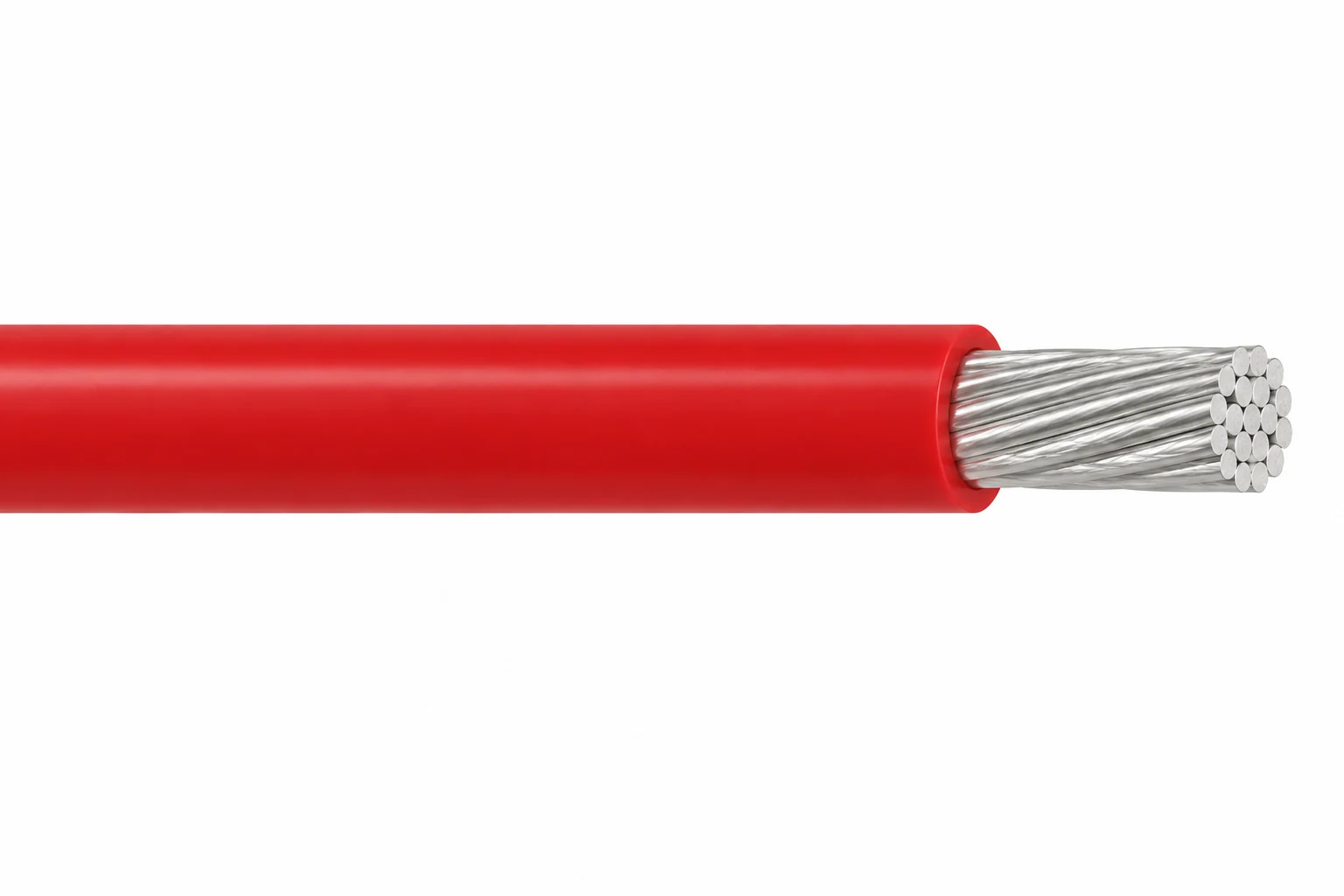
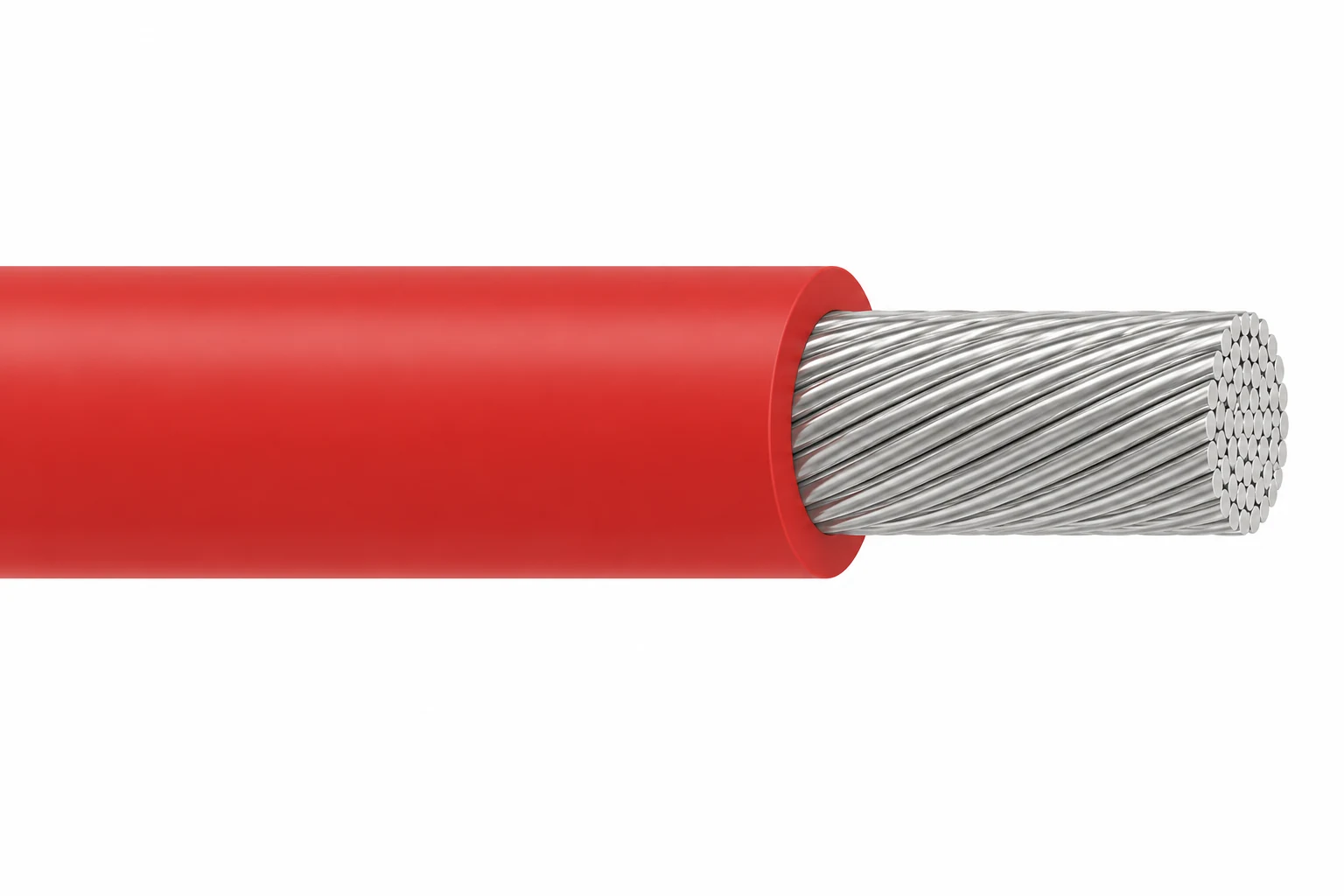
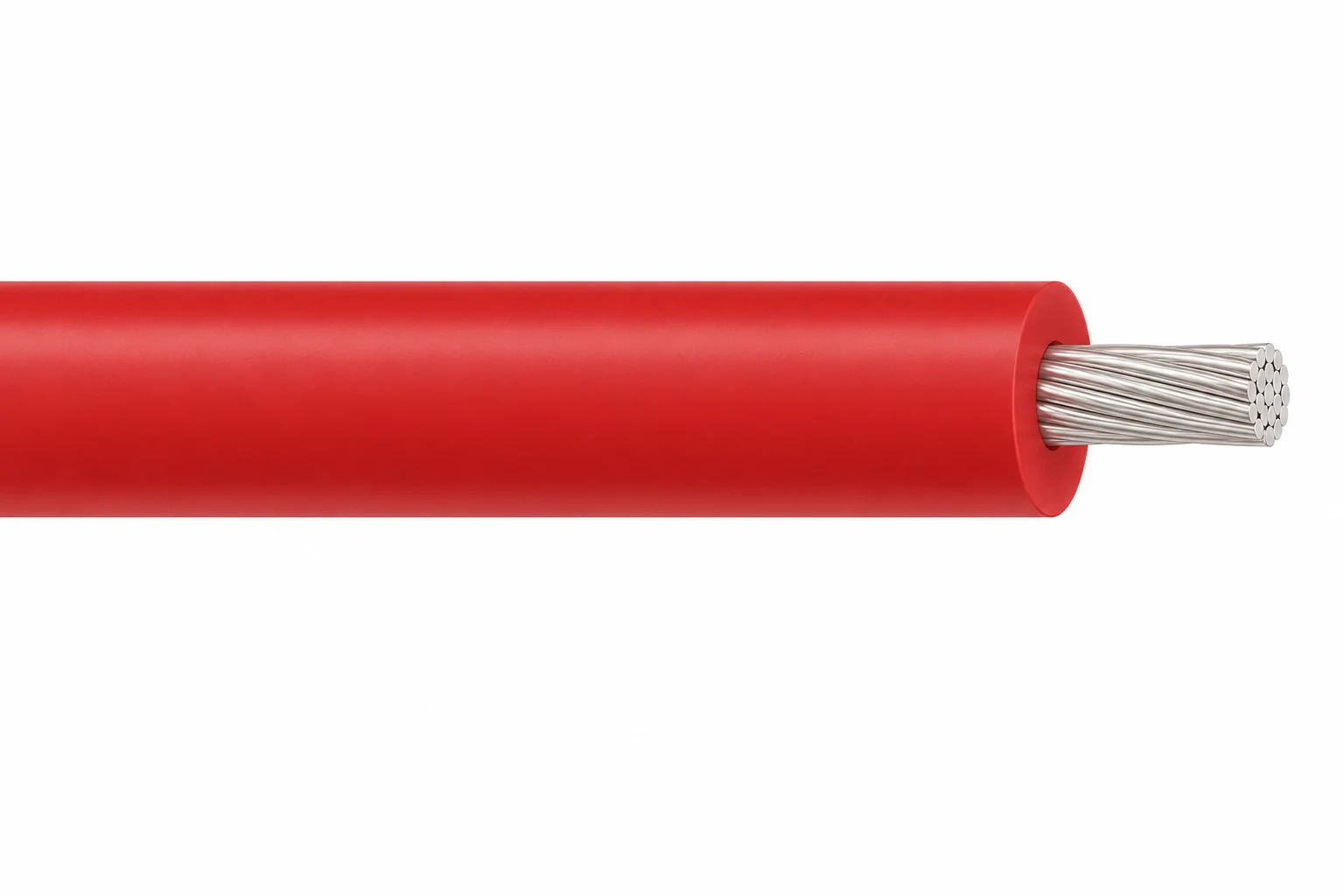
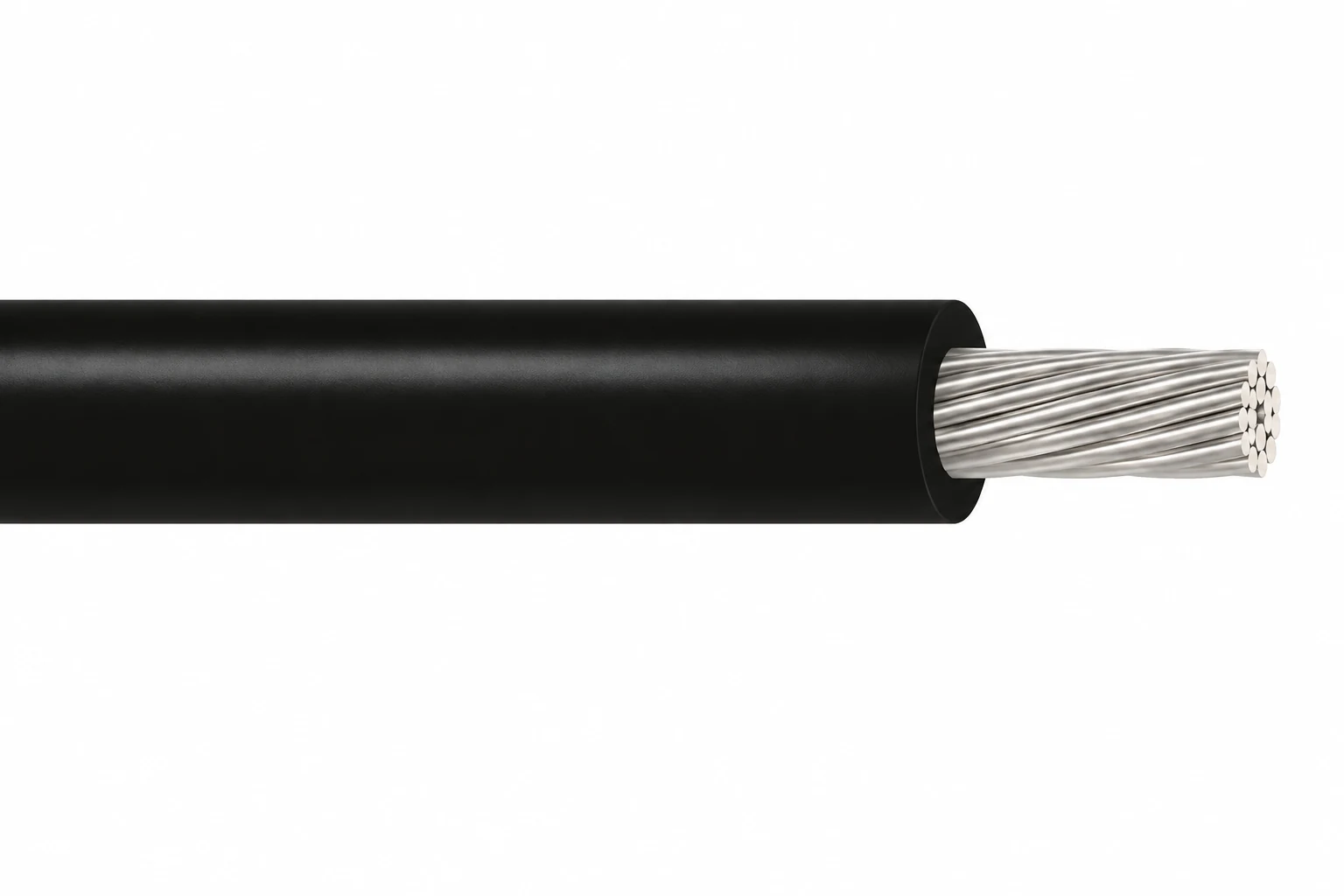
- 3–60 kV DC silicone lead wireUL 3239 configurations from 3–60 kV DC and UL 10475 configurations up to 40 kV DC. Compare the conductor size and finished diameter for the specified voltage class.
- 20–60 kV DC high-current silicone wireSingle-core unshielded silicone lead with larger 8–2 AWG tinned-copper conductors and a 150 °C rating. Compare voltage class and finished diameter.
- 18–30 kV DC FEP high-voltage wireCompact silver-plated copper lead with plain, pre-etched or silicone-coated FEP surfaces. Select by potting material and the exact configuration.
- 2 kV DC PFA high-voltage wireUnshielded 26 or 24 AWG equipment wire. Silver- or nickel-plated conductors determine the fixed-installation temperature option.
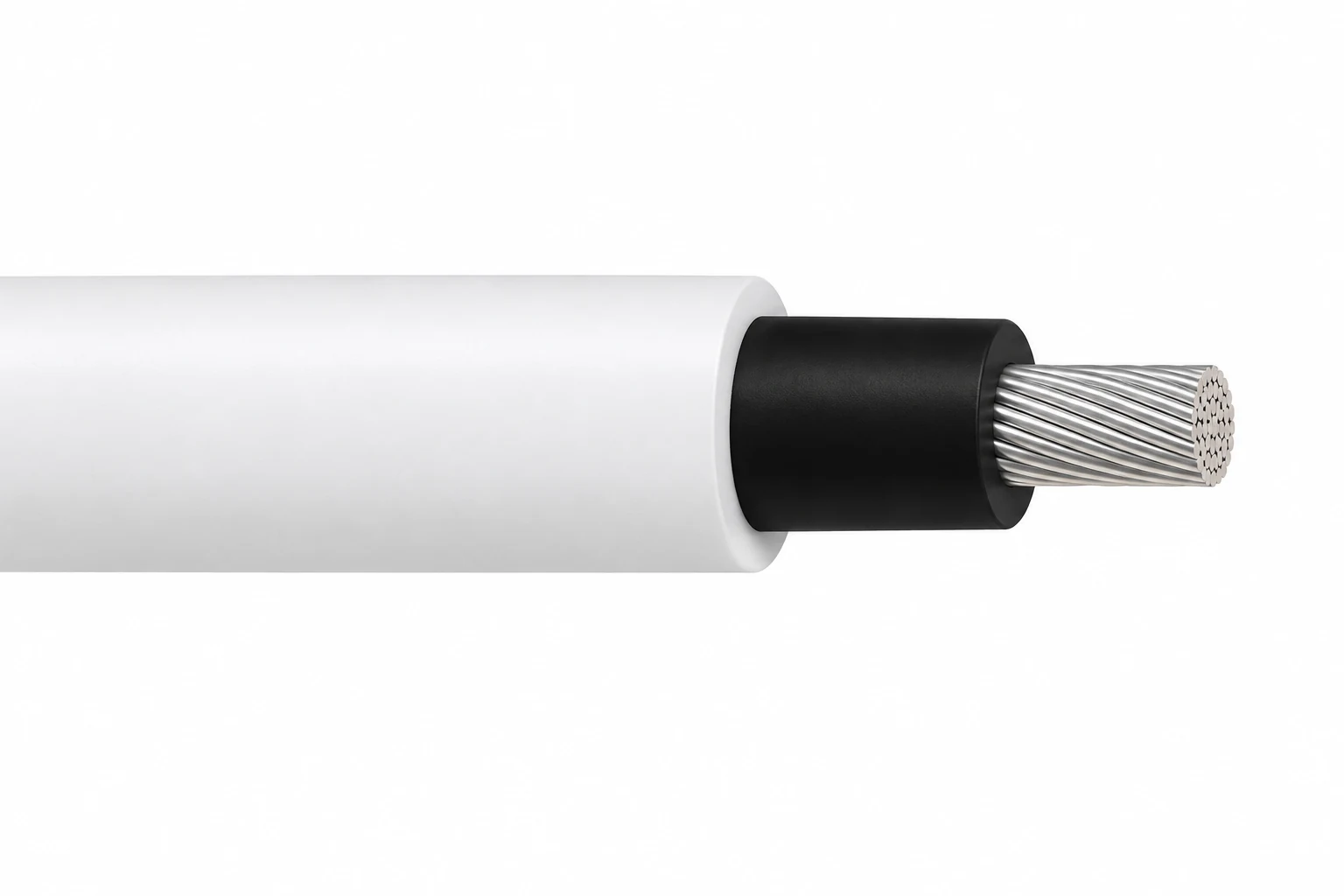
- 15–100 kV DC semiconductive-layer silicone wireUnshielded white silicone wire with a conductor-facing semiconductive layer. Compare the six configurations and their bend and temperature limits.
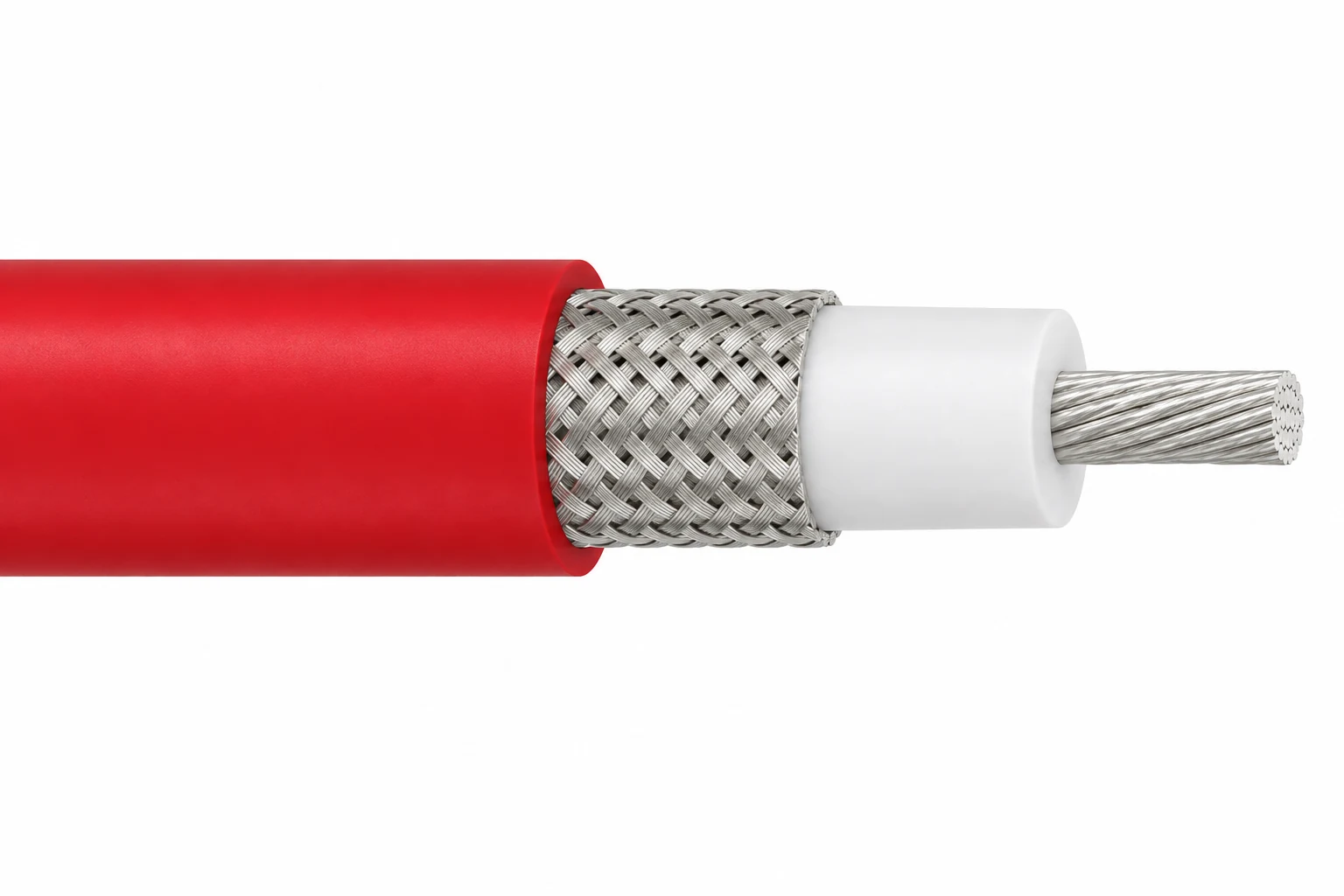
- 8–15 kV DC shielded silicone cableCopper-braid screened single-conductor cable with a silicone jacket. Compare the five configurations, AC limits and operating temperatures.
- Lithuania cable test-van projectA project reference with 8.7/15 kV AC continuous duty and 125 kV DC short-duration test conditions. These are separate conditions for that cable, not ratings for the whole category.
High voltage DC and test cable selection table
| Decision | Specify | Selection detail |
|---|---|---|
| Working and test voltage | DC, AC RMS or impulse; frequency and duration | Keep continuous operating voltage, short-time withstand and impulse requirements separate. Do not convert a DC rating into an AC rating. |
| Insulation and temperature | Required material, ambient and conductor temperature | If silicone, FEP, PFA or XLPE is specified, include that requirement in the enquiry. Check the finished cable, including any outer jacket, rather than relying on the insulation material alone. |
| Screening and field control | Unscreened, screened, coaxial or triaxial construction | Provide screen connections and the voltage between each relevant conductor or screen. State any semiconductive-layer requirement in the construction drawing. |
| Partial discharge | Limit in pC, test voltage, waveform and method | A partial-discharge value needs its measurement conditions. Include the applicable test specification and acceptance criteria. |
| Installation and termination | Conductor size, diameter limit, bends, movement and cable ends | Supply equipment drawings, terminal spacing and the required length. Flexible conductor construction alone does not establish continuous-flex or reeling suitability. |
Application scope and related selection routes
This category focuses on high-voltage equipment leads and test or measurement connections. Utility distribution, vehicle traction and ignition circuits require their own application-specific cable selection.
For silicone construction and project requirements, use the high-voltage silicone cable selection page. For heat-led selection, compare high temperature cables and the finished-cable temperature rating guide.
For the test specification, consult IEC 60060-1:2025 for high-voltage test terminology and requirements, and IEC 60270:2025 for charge-based partial-discharge measurement. State the required method and acceptance criteria in the project specification.
Information for a technical quotation
Send the equipment or circuit, working and test voltages with duration, conductor size, core count, insulation and screen requirements, temperature, installation method, termination drawing, cable length and quantity. Add any partial-discharge limit and required inspection documents.
Send your high voltage cable specification for construction and quotation review.