

High Voltage Silicone Wire, 3–60 kV DC
High voltage silicone wire for internal DC equipment leads. Compare 3–60 kV DC classes in the smaller-conductor size guide and larger 8–2 AWG examples up to 40 kV DC. Specify the voltage class, conductor size and temperature grade for your equipment.
- Voltage classes: 3, 6, 10, 20, 30, 40, 50 and 60 kV — the wall is chosen by the class, not by the conductor
- Temperature rating: 150 °C or 200 °C depending on the silicone compound — specify which you need
- Conductor: annealed tinned copper, stranded or solid
- Insulation: silicone rubber, wall from 0.50 mm at 3 kV to 3.11 mm at 60 kV
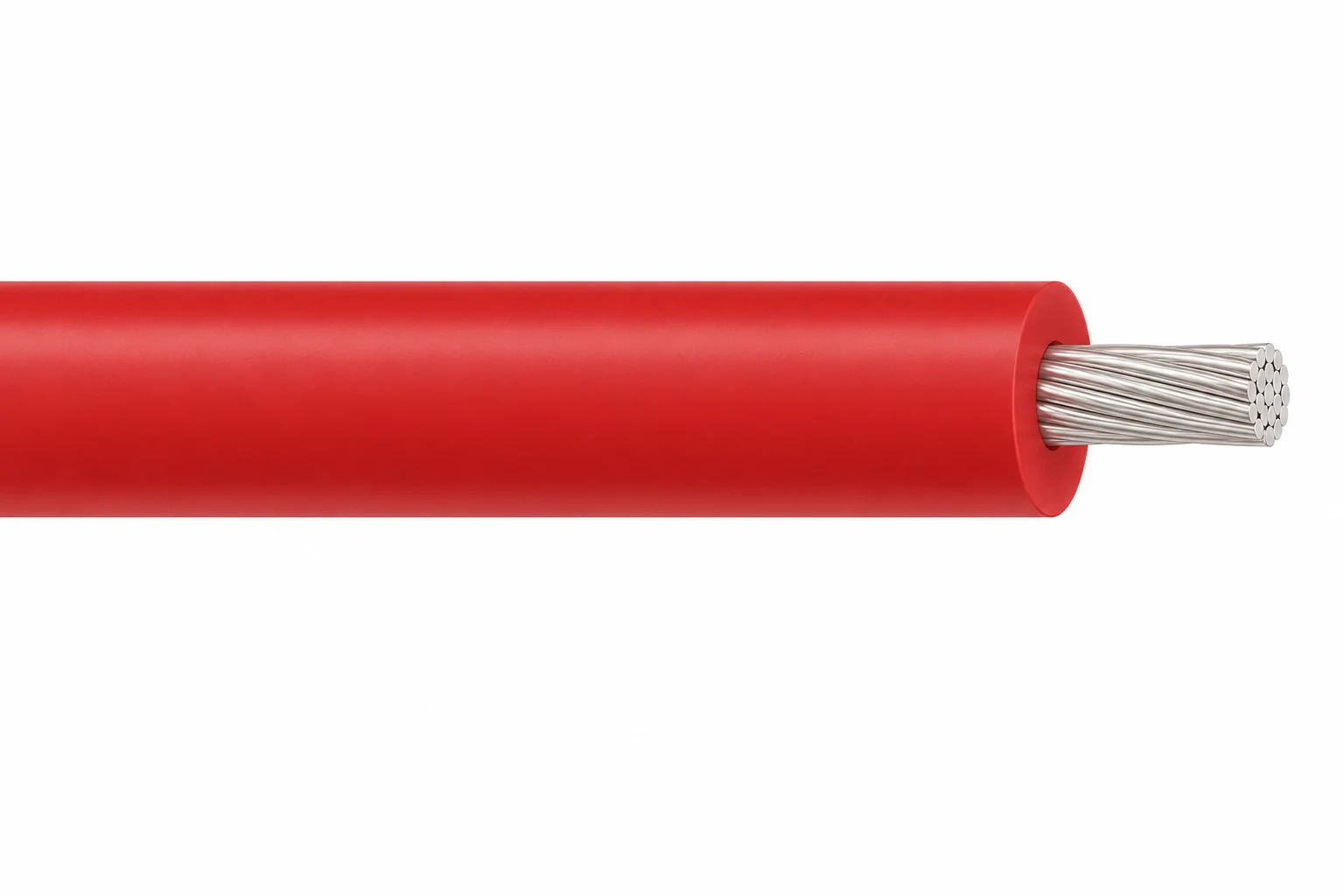
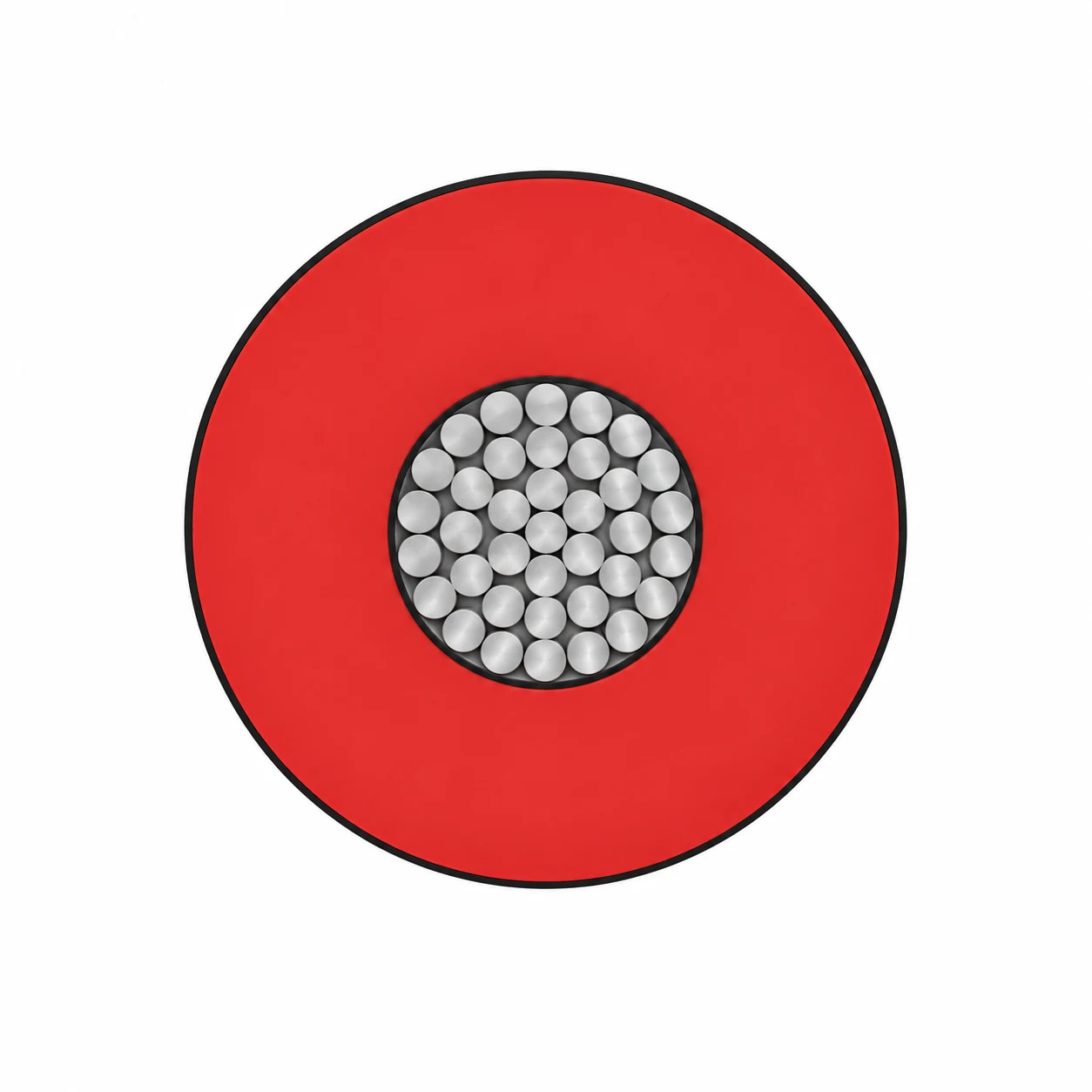
- Construction: single core, no jacket and no screen — the silicone wall is the whole insulation system
For a quotation, send the kV class, AWG size, temperature grade, colour and the length per reel.
High voltage silicone wire for internal equipment leads
High voltage silicone wire is a single-core, unshielded DC equipment lead with silicone rubber insulation over annealed tinned copper. The sizing guide covers 3–60 kV DC classes for smaller conductors and larger 8–2 AWG examples up to 40 kV DC. Silicone options are 150 °C or 200 °C according to construction; select the voltage class, conductor size and temperature grade together.
Voltage class changes the insulation wall and finished diameter. In the 20 AWG row, nominal diameter increases from 1.91 mm at 3 kV to 7.20 mm at 60 kV. Use the finished diameter to plan glands, grommets and cable entries, and select conductor size for the circuit current and installation conditions.
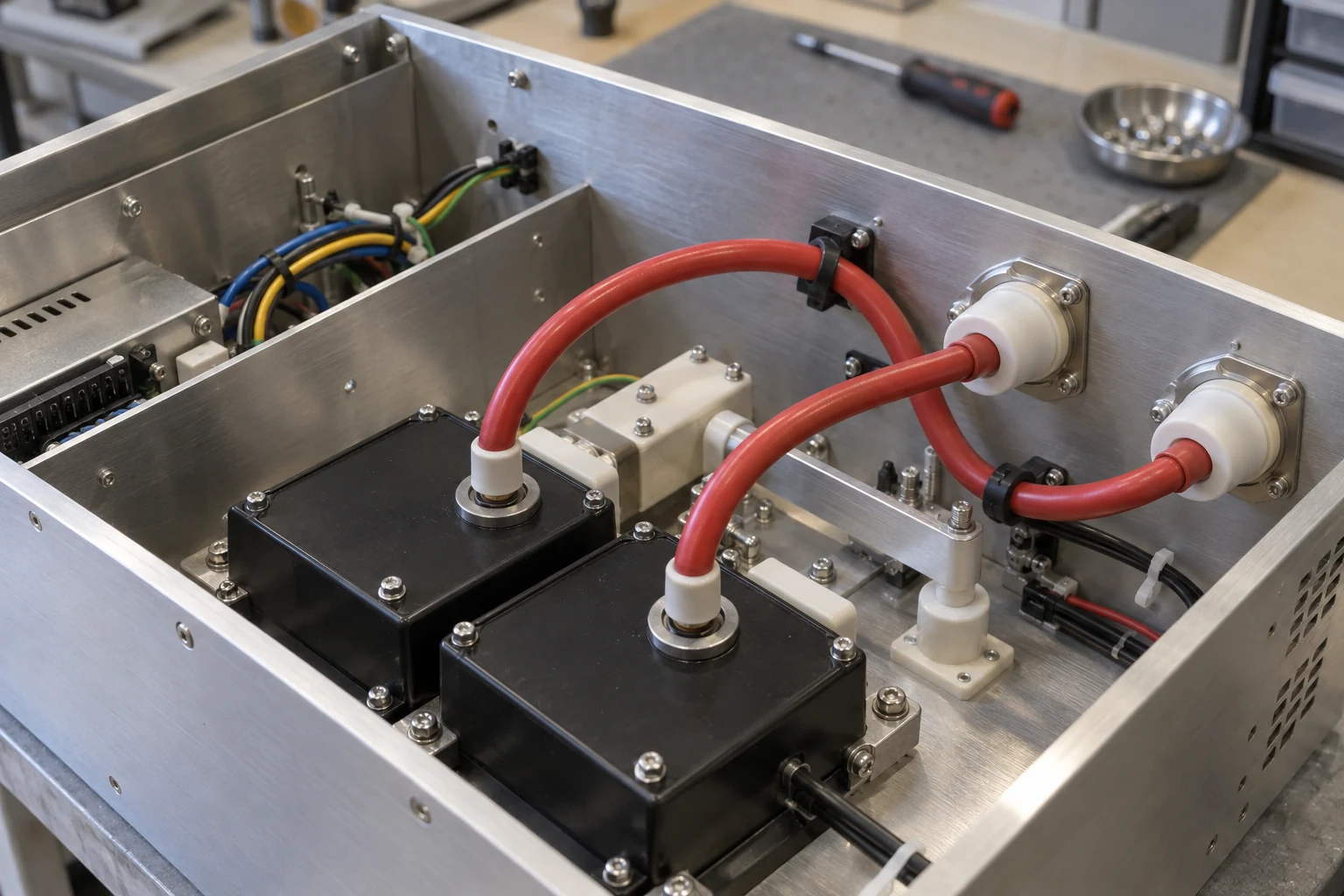
Typical uses include internal leads for imaging equipment, photomultiplier supplies, electrostatic equipment and HV DC laboratory power supplies. The standard construction has no metallic screen or separate jacket. For AC, repetitive-pulse or terminated-assembly duty, include the waveform, operating duration and termination details so the appropriate cable construction can be selected.
Compare adjacent structures under High Voltage DC & Test Cables and use the silicone high-voltage cable selection guide for application requirements. For larger-conductor 20–60 kV DC options, review the separate high-current silicone wire family and its own dimensional table.
Construction
This single-core wire combines an annealed tinned-copper conductor with a silicone rubber insulation wall sized for the selected DC voltage class. The standard construction has no separate jacket, metallic screen or braid.
- Conductor: annealed tinned copper, stranded or solid. The dimensional table includes 7-strand examples from 28 AWG (7/0.127 mm) through 16 AWG (7/0.50 mm), with a separate 8–2 AWG larger-conductor group. Specify the conductor size and strand construction required by the termination.
- Insulation: silicone rubber, wall selected by voltage class: 0.50 mm at 3 kV, 0.70 at 6 kV, 1.00 at 10 kV, 1.30 at 20 kV, 1.70 at 30 kV, 2.12 at 40 kV, 2.51 at 50 kV and 3.11 mm at 60 kV.
- No jacket, no shield: the standard construction is unjacketed and unscreened. If your application needs a screened HV lead, say so — that is a different build.
- Colours: standard colour range with custom colours to order.
Select conductor and insulation separately
Select conductor size from circuit current, thermal conditions, voltage drop and termination requirements; select the silicone wall from the DC working-voltage class. At 20 AWG, the nominal outside diameter changes across the 3–60 kV classes as the insulation wall increases. A larger conductor does not by itself increase the voltage rating.
Finished diameter and routing space
Across the 20 AWG row, nominal outside diameters are 1.91, 2.31, 2.91, 3.51, 4.31, 5.20, 6.00 and 7.20 mm from 3 to 60 kV. Use the diameter for the selected voltage class when sizing glands, grommets, routing channels, cable ties and connector backshells.
Silicone insulation for equipment leads
Silicone insulation provides flexibility for routing the selected wall thickness inside equipment. Include any required flame, material and thermal performance in the equipment specification and quotation.
Applications
High voltage silicone wire connects DC power supplies to high-voltage components inside equipment, including tubes, electrodes and plates. Select the voltage class for the circuit and the conductor size for its current, thermal and termination requirements.
Equipment applications
- X-ray and medical imaging — tube supply leads inside generators and scanners.
- Photomultiplier tubes and image intensifiers — low-current, very high-voltage feeds where insulation integrity is the whole design problem.
- Cathode-ray and display equipment — anode leads in legacy and specialist display hardware.
- Electrostatic precipitators — electrode feeds in flue gas cleaning plant, which is also a hot environment.
- Electrostatic coating and powder plant — gun and grid supply leads.
- Neon and sign transformers — secondary leads on illuminated signage.
- HV DC test and laboratory equipment — test sets, insulation testers, HV benches.
- Furnaces, heaters and dryers — internal DC supply leads routed within the selected wire's temperature grade.
DC equipment leads and ignition cables
This unjacketed silicone lead is selected by its DC voltage class for internal equipment connections to tubes or electrodes. Spark-ignition circuits call for a cable designed for pulse duty and the installation environment. Compare our 7/10 kV silicone ignition cable, Style 3304 and 3573 10 kV ignition wire with fiberglass braid and jacket, or ECS-HT VDE 1.8/3.0 kV ignition wire.
When to choose another construction
- You need a screen or a jacket — the standard construction has neither. Screened HV leads are a separate build.
- Spark and pulse ignition duty — use a jacketed ignition construction.
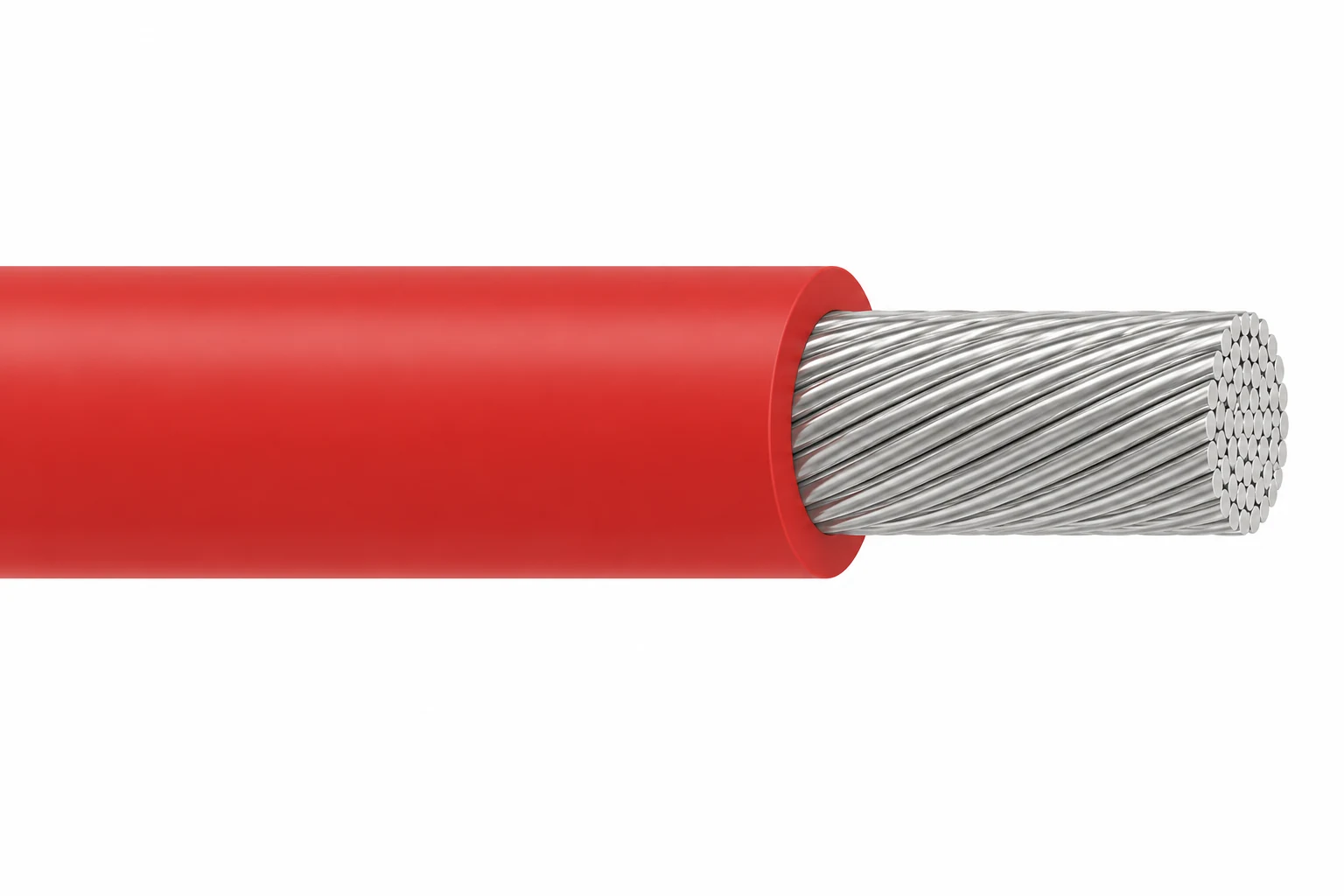
- Larger-conductor equipment leads — compare the separate 20–60 kV DC high-current silicone wire family for its 133-strand conductor and dimensional options; select current capacity for the installation.
- Continuous flexing or reeling — at a 3 mm wall the wire is stiff and is not built for repeated movement.
- Fixed building installation — select cable listed for the applicable building-wiring code.
Cross-referencing an existing lead
When cross-referencing an existing lead, send its full marking, drawing or datasheet, measured outside diameter and conductor size. Identify each voltage figure as a working rating, proof test or pulse value. Compare the insulation construction and qualification conditions as well as the dimensions before choosing a replacement.
Specifications
Nominal sizing data across eight DC voltage classes. Select the conductor for current and the silicone wall for voltage, then check the resulting finished diameter against the equipment layout.
Silicone lead size groups
| Size group | Temperature | Voltage classes | Size range | Construction |
|---|---|---|---|---|
| Smaller-conductor silicone leads | 150 °C or 200 °C by compound | 3, 6, 10, 20, 30, 40, 50, 60 kV | 28–10 AWG | Silicone rubber over tinned copper; no jacket, no screen |
| Larger-conductor silicone leads | 150 °C | Up to 40 kV DC | 8, 6, 4 and 2 AWG | Silicone over tinned copper; no jacket or screen |
Temperature grade: select 150 °C or 200 °C according to the silicone compound and the equipment operating environment. Include the required grade in your enquiry.
Insulation wall by voltage class
| Voltage class | 3 kV | 6 kV | 10 kV | 20 kV | 30 kV | 40 kV | 50 kV | 60 kV |
|---|---|---|---|---|---|---|---|---|
| Nominal wall mm | 0.50 | 0.70 | 1.00 | 1.30 | 1.70 | 2.12 | 2.51 | 3.11 |
Nominal dimensions and electrical data
The outside-diameter values are nominal millimetre figures for initial routing, cable-entry and termination planning. The production drawing for the selected configuration supplies the final dimensions and tolerances.
| AWG | Stranding | Cond. Ω/km | 3 kV | 6 kV | 10 kV | 20 kV | 30 kV | 40 kV | 50 kV | 60 kV |
|---|---|---|---|---|---|---|---|---|---|---|
| 28 | 7 / 0.127 | 239 | 1.37 | 1.77 | 2.37 | 2.97 | 3.77 | — | — | — |
| 26 | 7 / 0.16 | 150 | 1.49 | 1.89 | 2.49 | 3.09 | 3.89 | — | — | — |
| 24 | 7 / 0.20 | 94.2 | 1.60 | 2.00 | 2.60 | 3.20 | 4.00 | 4.85 | — | — |
| 22 | 7 / 0.25 | 59.4 | 1.76 | 2.14 | 2.76 | 3.36 | 4.16 | 5.00 | 5.80 | 7.00 |
| 20 | 7 / 0.31 | 36.7 | 1.91 | 2.31 | 2.91 | 3.51 | 4.31 | 5.20 | 6.00 | 7.20 |
| 18 | 7 / 0.39 | 23.2 | 2.17 | 2.57 | 3.17 | 3.77 | 4.57 | 5.43 | 6.23 | 7.43 |
| 16 | 7 / 0.50 | 14.6 | 2.50 | 2.90 | 3.50 | 4.10 | 4.90 | 5.95 | 6.85 | 8.05 |
For sizes beyond the detailed table, share the target AWG, DC voltage class, conductor construction and required reel length in the enquiry.
Dimensions are nominal and subject to manufacturing tolerance. Use the production drawing for final cable-entry and termination dimensions.
Other properties
| Conductor | Annealed tinned copper, stranded or solid |
|---|---|
| Insulation | Silicone rubber, wall by voltage class |
| Jacket / screen | None on the standard construction |
| Working temperature | 150 °C or 200 °C by silicone compound |
| Voltage | 3–60 kV DC for the smaller-conductor size guide; up to 40 kV DC for the larger-conductor examples |
| Colours | Standard colour range; custom colours to order |
| Cores | Single core |
Standards
State the standards, test methods and documentation required for your equipment and market when requesting a quotation.
| UL AWM | For projects specifying UL AWM Style 3239 or 10475, include the style, AWG, DC voltage class and temperature grade in the enquiry |
|---|---|
| CSA | State CSA C22.2 No. 127 when it is required by the project specification |
| Flame tests | Specify horizontal or UL VW-1 flame-test requirements for the ordered construction |
| Halogen | Include any halogen-content or material-declaration requirement in the purchase specification |
Working voltage and test requirements
Working voltage, proof-test voltage and pulse or impulse capability describe different conditions. Include the waveform, voltage interface, operating duration and test requirements with the voltage class so the correct insulation construction can be quoted.
Information for an AWM enquiry
For an AWM requirement, send the requested style, DC voltage class, AWG size and temperature grade. We can review the matching construction and documentation with the quotation.
Order documentation
Agree the document package when placing the order. It can include:
- Construction drawing and dimensional data for the agreed class and size
- Routine test records where specified in the order
- Certificate of conformity where applicable to the agreed specification
- Reel and packing list with agreed marking details
For the distinction between appliance component wiring and field-installation wire, see the UL Solutions Wire and Cable Application Guide.
Related cable options
Compare these cable options by service combination, movement, load, voltage and transmission requirement.
High Current Silicone High Voltage Wire, 20–60 kV DC
A related cable option for a different application or duty profile.
View product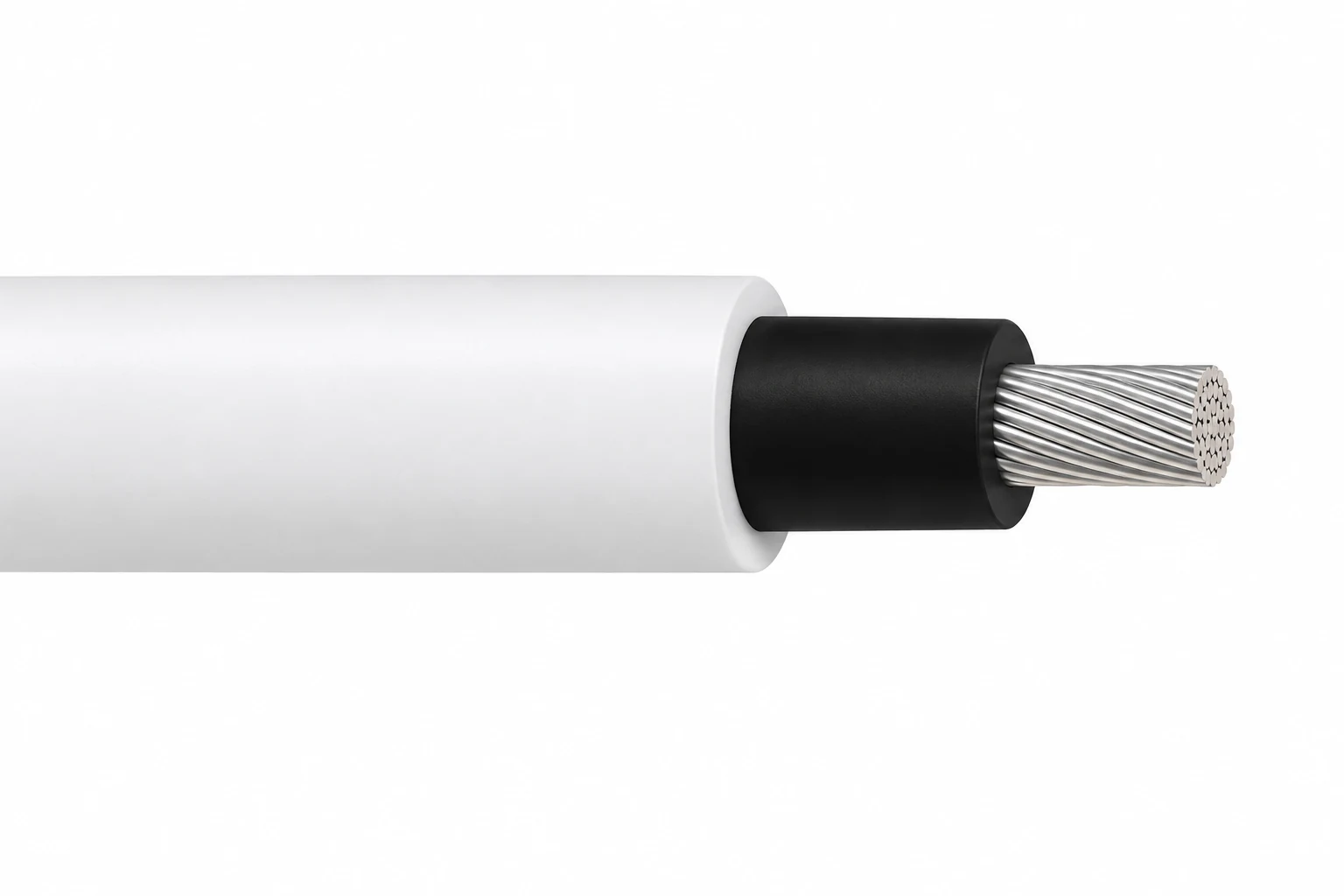
Semiconductive-Layer Silicone High Voltage Wire, 15–100 kV DC
A related cable option for a different application or duty profile.
View product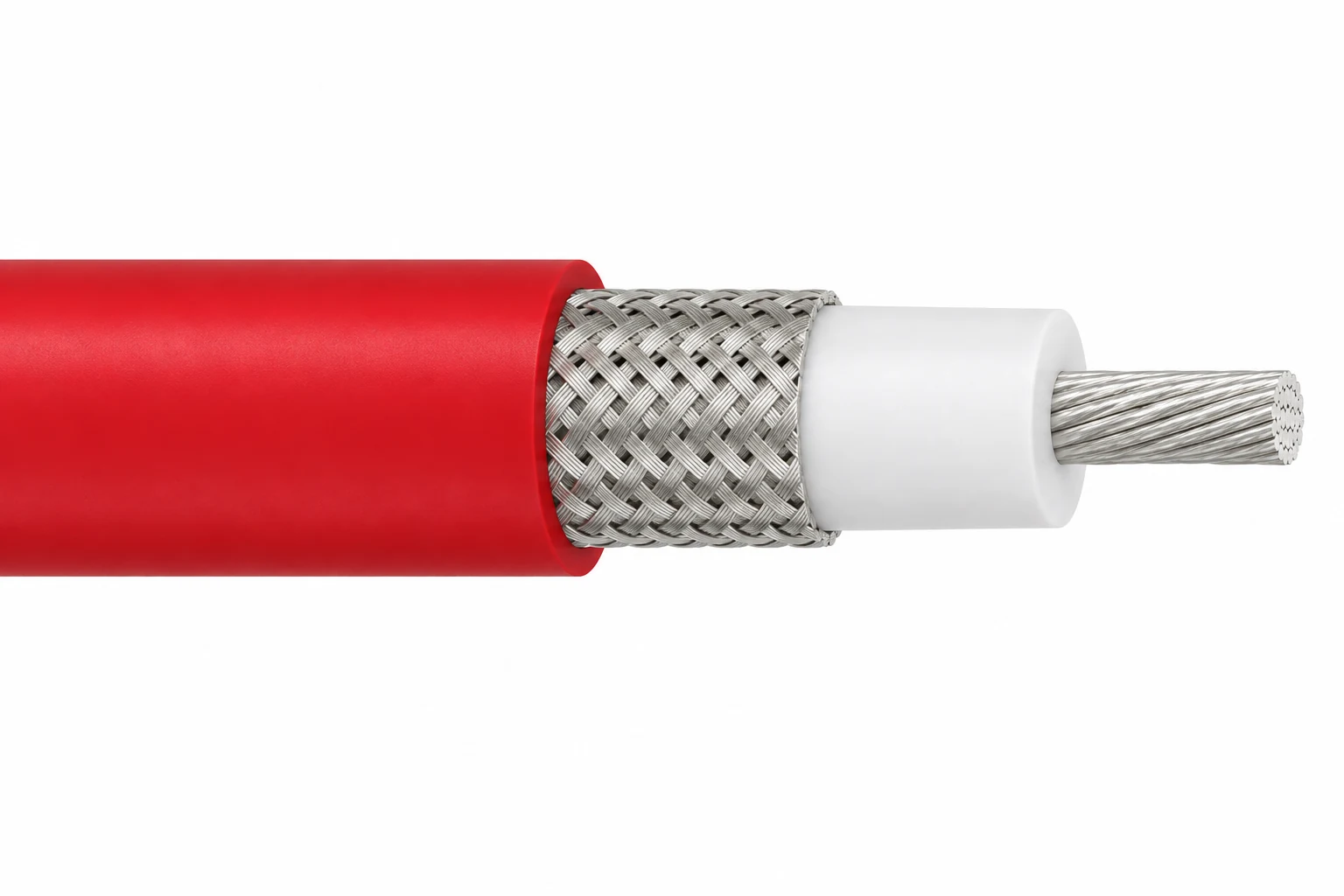
Shielded Silicone High Voltage Cable, 8–15 kV DC
A related cable option for a different application or duty profile.
View productRequest a cable recommendation and quotation
Send the required services, cable length, mechanical duty, environment, termination and quantity. Our team will review the application before quoting.
- Include the product name or SKU plus the required cable length and quantity.
- Attach a specification, drawing or data sheet when available.