


FEP Hook Up Wire 150–200°C, 300/600 V UL AWM Styles
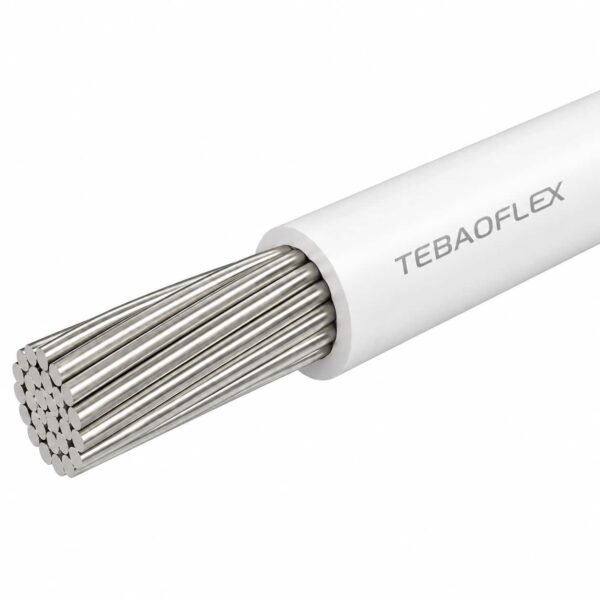
FEP hook up wire for equipment that runs hot and has no room to spare. TEBAOFLEX manufactures UL AWM styles 1330, 1331, 1332, 1333 and 1901 with extruded FEP fluoropolymer over stranded annealed copper, rated 150 °C or 200 °C at 300 V or 600 V, in sizes from 24 AWG to 4/0.
- UL AWM styles: 1330, 1331, 1332, 1333, 1901
- Temperature rating: 150 °C or 200 °C by style
- Voltage rating: 300 V or 600 V by style
- Conductor: stranded annealed copper to ASTM B33; nickel-plated copper for the 200 °C rating in the smallest sizes
- Insulation: extruded FEP fluoropolymer, nominal wall 0.33–1.14 mm by style and size
- Size range: 24 AWG to 4/0 (styles 1330 and 1901); 24 AWG to 10 AWG (style 1332)
- Flame and compliance references: UL VW-1, CSA AWM I A/B FT1 FT2, RoHS-3 (EU 2015/863)
- Colours: full colour range and custom striping to order
For a quotation, send the UL style, voltage, AWG size, conductor plating, colour or striping, and the length per reel.
FEP Hook Up Wire for Heaters, Sensors and Appliance Wiring
FEP hook up wire is the practical middle ground in fluoropolymer lead wire. It holds 200 °C where a bare silicone wire would want a fiberglass braid to survive the same duty, it strips and cuts more cleanly than PTFE, and the wall is thin enough to get a dense loom into a connector shell that was never designed for one. TEBAOFLEX builds it to UL AWM styles 1330, 1331, 1332, 1333 and 1901, at 300 V and 600 V, from 24 AWG up to 4/0.
The five styles differ mainly in insulation wall and rating, not in materials. Style 1330 is the 600 V workhorse. Style 1901 carries the same rating in a deliberately smaller diameter, which is why it is normally specified for further processing inside a finished cable. Style 1332 is the 300 V thin-wall version for tight electronics work, and the 150 °C styles 1331 and 1333 cover duty that never reaches the fluoropolymer ceiling.
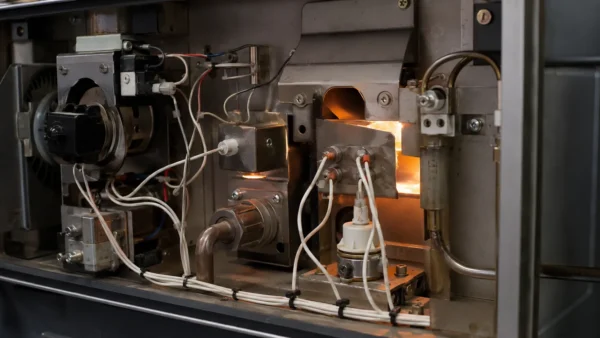
- Suitable for: electric heaters, thermocouple and sensor leads, gas igniters, lighting, small motors, electromagnetic coils and appliance or electronic internal wiring.
- Confirm before ordering: UL style, voltage, AWG size, conductor plating, colour or striping, and length per reel.
- Choose another construction when: the conductor runs above 200 °C, where PFA or PTFE is the correct step up, or when the wire must flex continuously, where silicone stays softer for longer.
Comparing materials first? The high temperature wire selection matrix puts FEP next to silicone, PFA, PTFE and cross-linked options, and the wider range sits under High Temperature Cables.
Where the equipment specification calls for a 3 kV FEP lead rather than the 300/600 V styles in this family, review UL 1813 FEP wire, 200°C 3 kV. Confirm wall thickness, conductor finish and termination spacing for the complete assembly.
Construction
Every FEP hook up wire style in this range is a single core built from two elements: a stranded annealed copper conductor and an extruded FEP fluoropolymer insulation. What changes between styles is the wall thickness and the conductor plating, and those two choices decide the voltage rating, the temperature rating and the finished diameter.
- Conductor: stranded annealed copper to ASTM B33, tin-coated as standard. Stranding follows the size: 7 strands from 24 AWG to 14 AWG, 19 strands at 12 AWG, 37 at 10 AWG, 54 at 8 AWG, 84 at 6 AWG, 133 at 4 and 2 AWG, and 259 strands from 1 AWG through 4/0.
- Conductor plating for 200 °C: nickel-plated copper is required to hold the 200 °C rating in the smallest sizes. This is the detail buyers most often miss when they cross-reference a datasheet, because the insulation is identical either way.
- Insulation: extruded FEP fluoropolymer. Nominal wall runs from 0.33 mm on the 300 V thin-wall style up to 1.14 mm on the largest 600 V sizes.
- Colour and marking: the full standard colour range, plus custom colours and striping to order, with sheath printing available on request.
Why the FEP wall matters more than it looks
FEP is extruded, not tape-wrapped, so the wall is continuous and the surface has a low coefficient of friction. Two practical consequences follow. The wire pulls through conduit and looms with less effort than a taped construction, and it strips cleanly without the fibrous residue that slows down a high-volume termination line. The trade-off is temperature: FEP tops out around 200 °C, where PFA and PTFE continue to 250 °C.
How style 1330 and style 1901 differ
Both are 200 °C at 600 V with the same conductor and the same insulation material. Style 1901 simply uses a thinner nominal wall, which makes it the version specified when the wire becomes a core inside a larger finished cable and every millimetre of lay-up diameter counts. If the wire is the finished product and will be handled, terminated and installed on its own, style 1330 is the more robust choice.
Applications
FEP hook up wire is internal equipment wiring, not a power cable and not an installation cable. It goes inside machines and appliances where the ambient sits well above what PVC or ordinary cross-linked wire will tolerate, and where fluids, cleaning chemicals or process vapours would attack a lesser insulation.
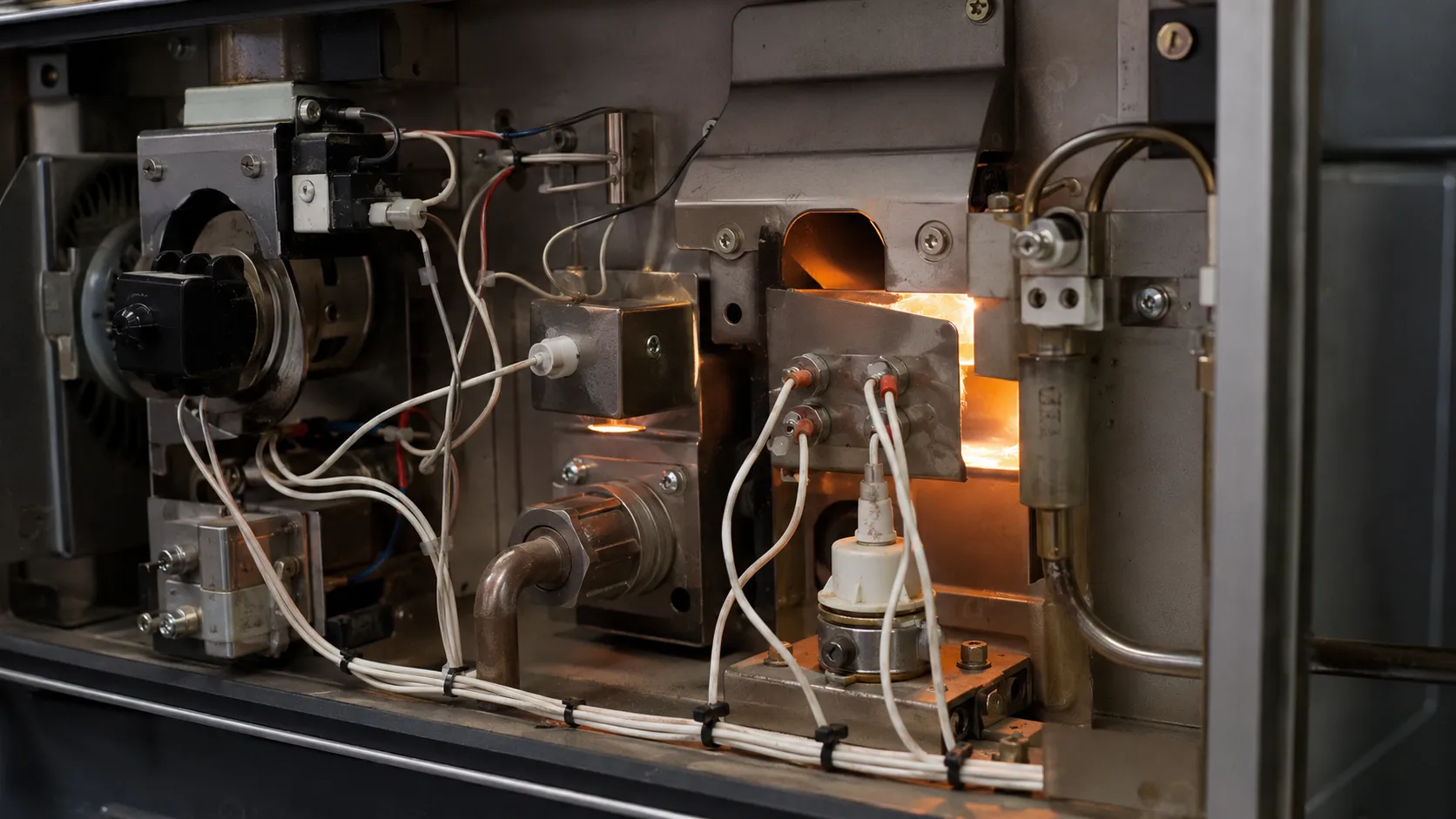
Equipment and duty this wire is built for
- Electric heaters and heated assemblies — element leads and internal connections running close to the heat source.
- Thermocouple and sensor leads — where a stable, chemically inert insulation matters more than flexibility.
- Gas igniters and burner controls — short leads exposed to heat cycling and combustion by-products.
- Lighting — including cold light sources and luminaire internal wiring.
- Small motors and electromagnetic coils — lead-out wires and coil terminations.
- Appliance and electronic internal wiring — ovens, commercial catering equipment, laboratory and process instruments.
- Cores for further processing — style 1901 in particular, laid up inside a larger multicore or jacketed cable.
Where FEP is the wrong answer
Being honest about the boundary saves a return and a shutdown.
- Above 200 °C conductor temperature — specify PFA or PTFE instead. FEP does not have headroom above its rating.
- Continuous flexing, reeling, festoon or torsion duty — FEP is a thermoplastic and will work-harden. A Class 5 or Class 6 silicone construction is the correct choice for repeated movement.
- Abrasion against steel structure — add a fiberglass braid over a silicone core rather than relying on a thin fluoropolymer wall.
- Fixed building installation, direct burial or outdoor runs — AWM appliance wiring material is not an installation cable and is not rated for those uses.
- Portable power, welding or trailing applications — use a rubber-sheathed flexible cable designed for the duty.
Cross-referencing an existing wire
North American catalogues frequently list 600 V FEP hook up wire under a trade designation rather than the UL style number, so the marking on the cable you are replacing may not name the style at all. Send us a photograph of the printed sheath marking together with the measured overall diameter and the conductor size, and we will identify the matching style before quoting rather than after.
Specifications
Five UL AWM styles share one material set. Use the first table to pick the style by rating and wall, then the dimension table to check the finished diameter against the space you actually have.
FEP hook up wire styles at a glance
| UL AWM style | Temperature rating | Voltage rating | Nominal insulation wall | Size range | Typical use |
|---|---|---|---|---|---|
| UL 1330 | 200 °C | 600 V | 0.51 mm (24–10 AWG), 0.76 mm (8–2 AWG), 1.14 mm (1 AWG–4/0) | 24 AWG – 4/0 | General 600 V lead wire |
| UL 1901 | 200 °C | 600 V | 0.38 mm (24–10 AWG), 0.51 mm (8–2 AWG), 0.76 mm (1 AWG–4/0) | 24 AWG – 4/0 | Reduced diameter, for further processing in cables |
| UL 1332 | 200 °C | 300 V | 0.33 mm | 24 AWG – 10 AWG | Thin-wall electronics wiring |
| UL 1331 | 150 °C | 600 V | 0.51 mm | 20 AWG – 12 AWG typical | 600 V duty below the fluoropolymer ceiling |
| UL 1333 | 150 °C | 300 V | Thin wall | 24 AWG – 10 AWG typical | Appliance and lighting internal wiring |
Rating note: the UL AWM style rating is the ceiling, not a guarantee for every construction sold under it. Style 1330 is recognised at 200 °C, but individual manufacturers list product under the same style at 180 °C, and the 200 °C rating depends on the conductor: fine strands and tin plating pull the usable rating down, which is why nickel-plated copper is specified for 200 °C in the smallest sizes. Confirm the rating on the certificate that applies to your order before you put it on a drawing.
Dimensions and Electrical Data
Nominal outside diameter and approximate weight for FEP hook up wire in the three volume styles. All values are nominal and subject to normal manufacturing tolerance; confirm the final size before ordering.
| Conductor size | Strands | UL 1330 (600 V) | UL 1901 (600 V) | UL 1332 (300 V) | |||
|---|---|---|---|---|---|---|---|
| OD mm | kg/km | OD mm | kg/km | OD mm | kg/km | ||
| 24 AWG | 7 | 1.65 | 6 | 1.40 | 6 | 1.35 | 6 |
| 22 AWG | 7 | 1.78 | 7 | 1.52 | 7 | 1.52 | 7 |
| 20 AWG | 7 | 2.03 | 10 | 1.78 | 10 | 1.65 | 10 |
| 18 AWG | 7 | 2.29 | 15 | 2.03 | 15 | 1.90 | 13 |
| 16 AWG | 7 | 2.54 | 19 | 2.29 | 18 | 2.16 | 18 |
| 14 AWG | 7 | 2.79 | 25 | 2.54 | 24 | 2.41 | 24 |
| 12 AWG | 19 | 3.30 | 37 | 3.05 | 36 | 2.92 | 34 |
| 10 AWG | 37 | 4.06 | 52 | 3.81 | 48 | 3.68 | 49 |
| 8 AWG | 54 | 5.59 | 89 | 5.08 | 82 | — | — |
| 6 AWG | 84 | 5.97 | 141 | 5.97 | 126 | — | — |
| 4 AWG | 133 | 7.49 | 216 | 7.11 | 193 | — | — |
| 2 AWG | 133 | 8.64 | 327 | 8.25 | 290 | — | — |
| 1 AWG | 259 | 11.68 | 476 | 10.92 | 432 | — | — |
| 1/0 | 259 | 12.32 | 536 | 11.68 | 476 | — | — |
| 2/0 | 259 | 13.08 | 685 | 12.32 | 640 | — | — |
| 3/0 | 259 | 14.60 | 841 | 13.84 | On request | — | — |
| 4/0 | 259 | 17.15 | 1124 | 16.38 | 1049 | — | — |
Nominal outside diameter varies slightly between producers within the ±0.1 mm tolerance, so treat these figures as a planning envelope rather than a drawing dimension. The single cell marked “On request” is a figure we will not publish because the reference data we hold for it is internally inconsistent; ask for that size and we will send the verified weight with the quotation.
Other properties
| Conductor | Stranded annealed copper to ASTM B33, tin-coated; nickel-plated copper for 200 °C in the smallest sizes |
|---|---|
| Insulation | Extruded FEP fluoropolymer |
| Working temperature | 150 °C or 200 °C by style; FEP constructions are commonly specified down to −80 °C |
| Outside diameter tolerance | ±0.1 mm |
| Chemical and fluid resistance | Excellent resistance to aggressive chemicals and fluids; low coefficient of friction |
| Colours | Full standard colour range; custom colours and striping to order |
| Cores | Single core |
Standards
Standards, test methods and compliance references that apply to FEP hook up wire in these UL AWM styles.
| UL AWM | Appliance Wiring Material styles 1330, 1331, 1332, 1333 and 1901, evaluated under UL 758 |
|---|---|
| CSA | CSA AWM I A/B 600 FT1 FT2 |
| Flame test | UL VW-1 vertical flame test |
| Conductor standard | ASTM B33 — Standard Specification for Tin-Coated Soft or Annealed Copper Wire |
| Substance compliance | RoHS-3, European Directive 2015/863 |
What a UL AWM style does and does not tell you
A UL AWM style number is a recognised construction: it fixes the insulation material, the temperature rating and the voltage rating for appliance wiring material. It is not an installation-cable listing, it does not authorise use in fixed building wiring, and it does not by itself state the conductor plating your temperature rating depends on. Read the style together with the conductor specification, not instead of it.
TEBAOFLEX certification
Jiangsu TEBAOFLEX Special Cable Co., Ltd holds UL certificate UL-US-2449012-0 and cUL certificate UL-CA-2437036-0, both dated 27 December 2024 under report E542560-20241225, and VDE certificate 40060055 dated 28 March 2025. These are company-level certifications. Tell us the exact UL style and size you intend to order and we will confirm the approval scope that applies to it before you commit, and issue the test documentation with the shipment.
Documentation supplied with an order
- Construction drawing and dimensional data for the agreed style and size
- Routine test records for the production batch
- Certificate of conformity referencing the agreed standards
- Reel and packing list with marking details
Standards references above are published requirements. For the scope of a specific standard, consult the issuing body directly — for example the International Electrotechnical Commission or UL Solutions.
Related cable options
Compare these cable options by service combination, movement, load, voltage and transmission requirement.
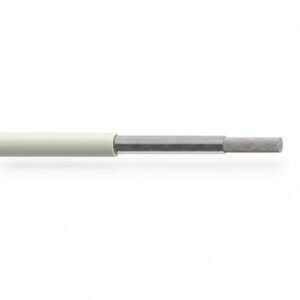
Intemp 250 BS G210 High Temperature PFA Equipment Wire
A related cable option for a different application or duty profile.
View product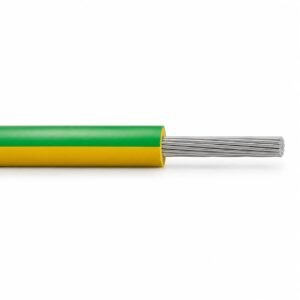
SiF Silicone 180 Single Core Flexible Cable
A related cable option for a different application or duty profile.
View product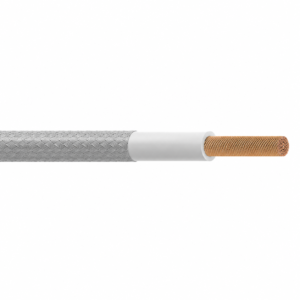
High Temperature Silicone Rubber SIAF/GL Cable with Fiberglass Braid
A related cable option for a different application or duty profile.
View productRequest a cable recommendation and quotation
Send the required services, cable length, mechanical duty, environment, termination and quantity. Our team will review the application before quoting.
- Include the product name or SKU plus the required cable length and quantity.
- Attach a specification, drawing or data sheet when available.