

Mining cable definition and type comparison
What Is a Mining Cable?
A mining cable is a heavy-duty electrical cable selected for mine power, control or monitoring duties where voltage, grounding, shielding, movement and physical exposure must be considered together.
- Portable, mobile and fixed routes
- Grounding, shielding and monitoring
- Selection by system and movement duty
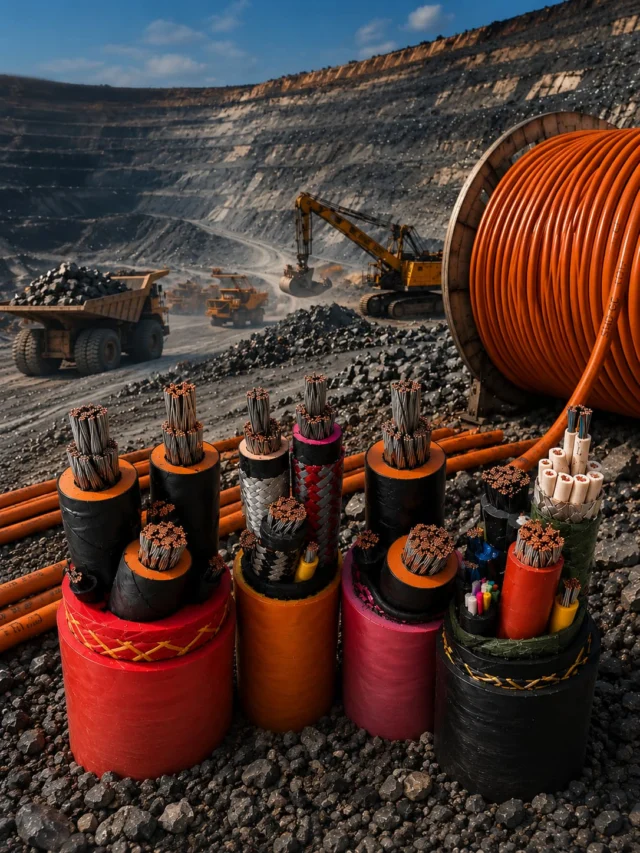
Sourcing mining cable? TEBAOFLEX manufactures it — we are not a reseller.
Jiangsu TEBAOFLEX Special Cable Co., Ltd has built flexible mining power, trailing, reeling and shearer cables since 2014. Our cables run on copper, cobalt, coal and iron-ore projects at operations of Glencore, Anglo American, BHP, Rio Tinto and Freeport across 20+ countries.
Choose by system duty, not by name alone
Use this page to narrow the cable route before comparing a product model or submitting a specification.
Start with the equipment
Identify the machine, circuit function, route and the consequence of cable failure at that location.
Define the complete duty
State voltage or transmission needs together with movement, bending, load, fluids, temperature and installation exposure.
Confirm one construction
Review conductor or fibre elements, screens, reinforcement, sheath, termination, standards and documentation as one schedule.
Match the cable to the equipment and route
Mining cable is not one construction. The correct route depends on the equipment, electrical system and how the cable moves or is installed.
Surface mobile equipment
Shovels, drills, stackers and mobile substations can require portable, trailing or reeling power cables selected for voltage and movement.
Underground mobile machines
LHDs, loaders and continuous equipment add compact routing, repeated handling, water, abrasion and monitoring requirements.
Mine distribution
Fixed and semi-mobile feeders are separated from dynamic reeling and trailing duties even when they serve the same operating area.
Pumps and dewatering
Wet routes require the immersion condition, entry seal, fluid, length, current and voltage-drop inputs to be defined.
Conveyors and crushers
Power and control circuits can involve vibration, outdoor exposure, relocation and mechanical protection requirements.
Tunnels and TBM systems
A tunnel route can combine a fixed feeder, moving backup cable, onboard flexible connections and auxiliary services.
Define the conditions that control cable life
A cable designation is only a starting point. Confirm the system and duty before treating one family as an equivalent for another.
Confirm system voltage, conductor arrangement, shielding, grounding, ground-check or pilot circuits and couplers.
Separate reeling, trailing, suspended, fixed, submerged and occasional-relocation routes.
Define bend radius, tension, torsion, abrasion, crushing, impact, vehicle traffic and drum pressure.
State water, oil, mud, chemicals, UV and temperature exposure together with mine, client and inspection requirements.
Compare suitable cable-family routes
Use these family names to understand the selection path, then confirm the exact construction and applicable project requirements.
Type W portable power cable
A flexible portable power route selected around voltage, conductor layout, equipment movement and mine handling duty.
View round Type W cableType G cable
A portable mining power family with grounding conductors, selected around the equipment circuit and mechanical duty.
Compare North American mining typesType G-GC cable
A Type G route that includes a ground-check conductor for the specified monitoring system.
View Type G-GC cableSHD-GC cable
A shielded mining power route with a ground-check conductor, commonly reviewed for demanding mobile and medium-voltage systems.
View SHD-GC cableMP-GC cable
A mining power and ground-check route whose shielding, conductor and voltage details must follow the named specification.
Send an MP-GC requirementEuropean mining cable families
DIN/VDE and related flexible mining routes for reeling, trailing and tunnelling equipment.
Browse mining cable familiesMining cables we manufacture
Common constructions we build and export from our own factory. Final construction follows your equipment, system voltage and route — ask for a spec review.
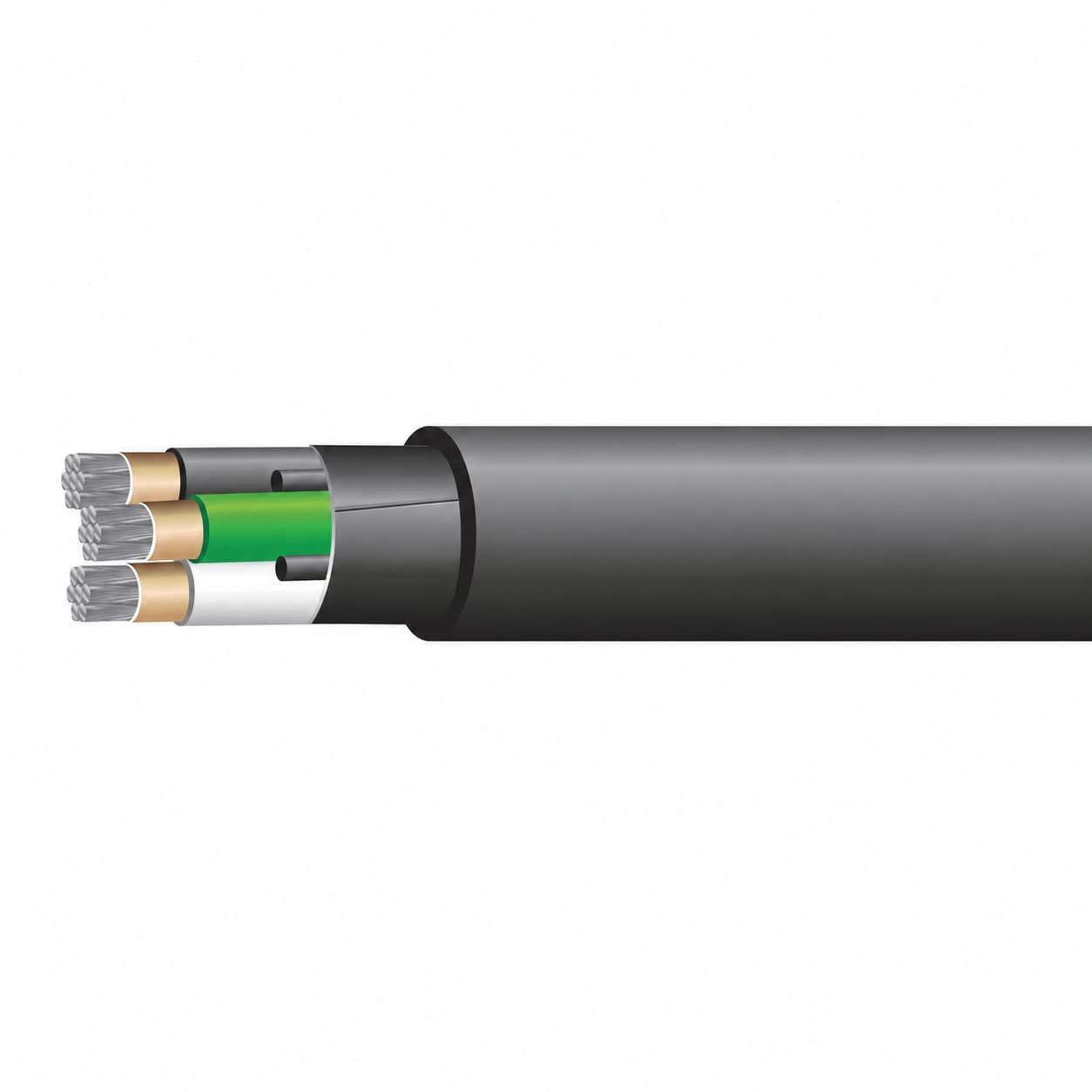
Type W Portable Mining Power Cable
- Three-conductor round construction
- Annealed tinned-copper, EPR insulation
- Extra-heavy-duty portable jacket
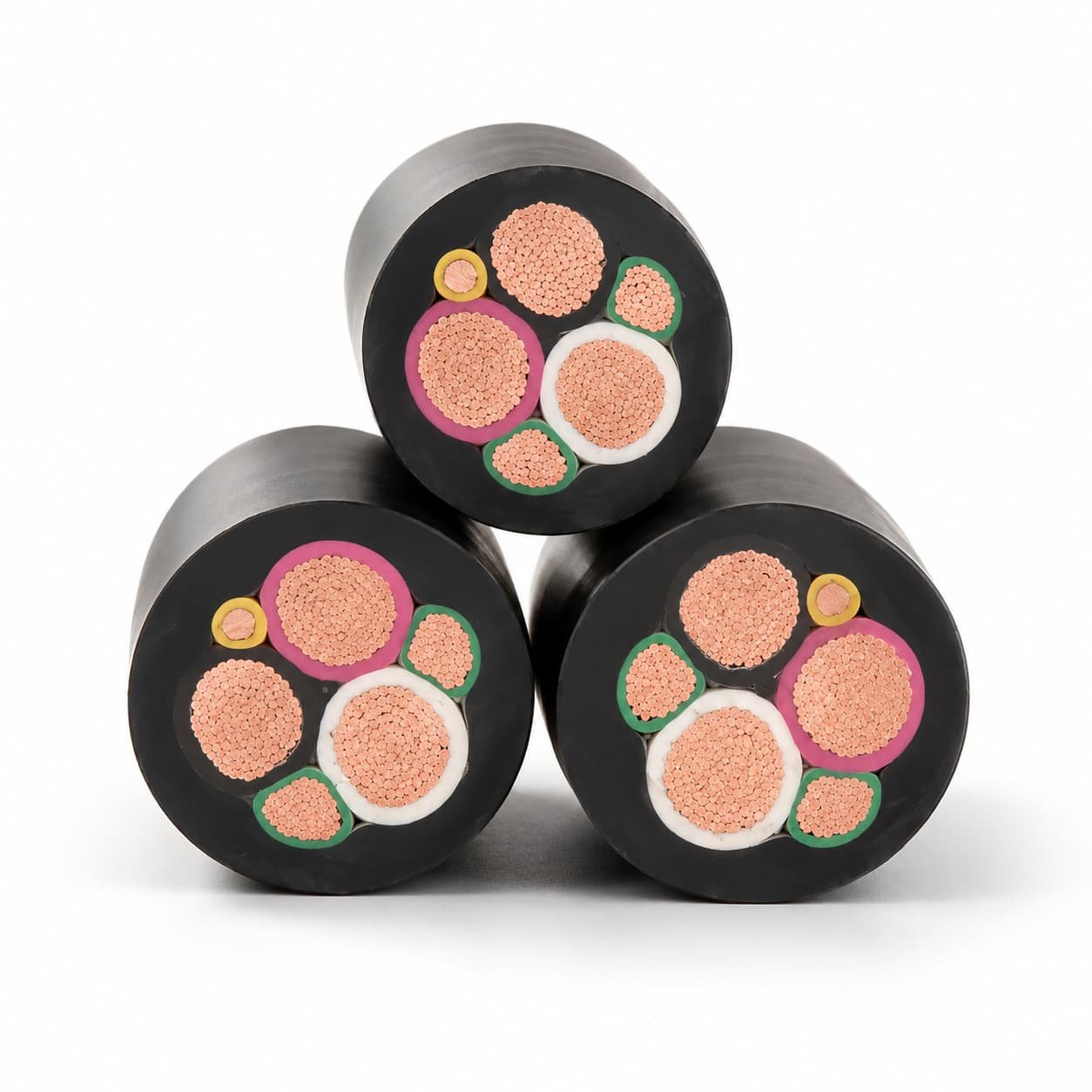
Type G-GC Portable Mining Cable
- 3 power + 2 ground conductors
- Separate ground-check conductor
- For mobile equipment circuits
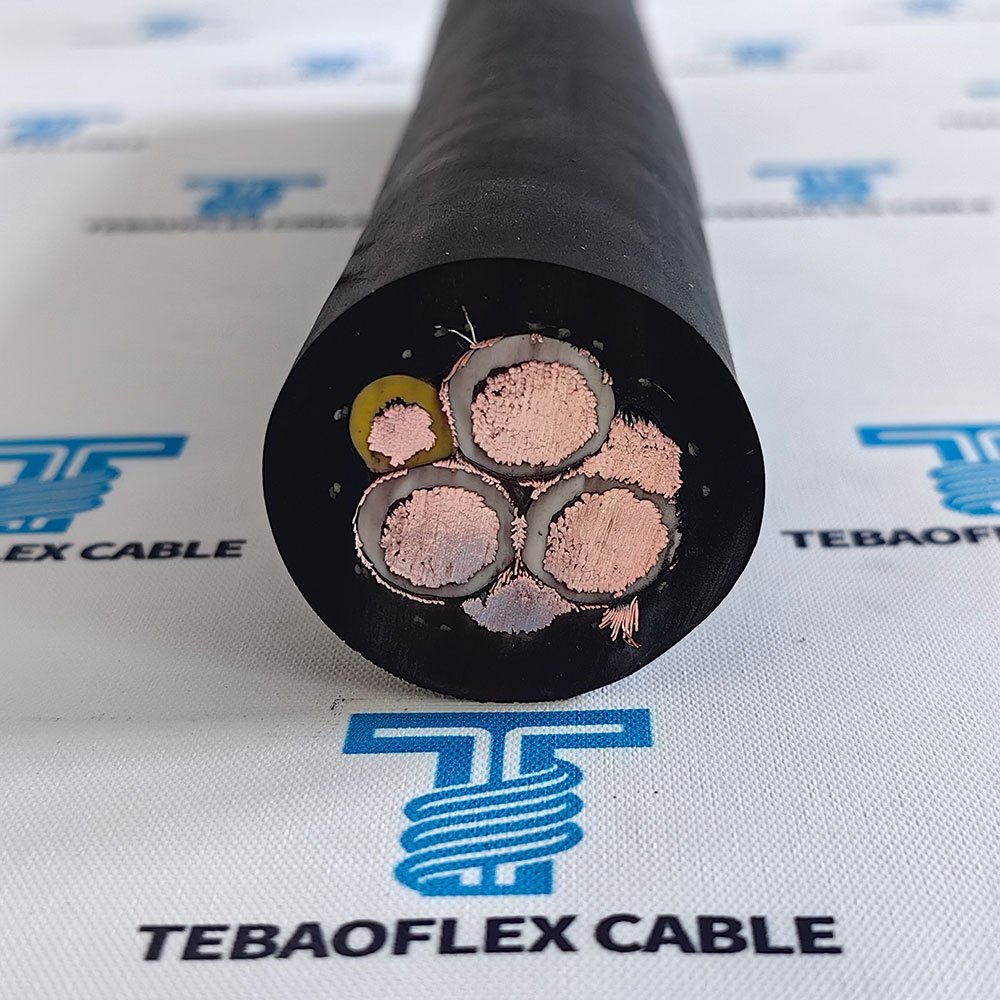
SHD-GC Shielded Mining Power Cable
- Shielded, with ground-check conductor
- EPR, 90°C conductor operation
- Heavy mobile & MV systems
Need another family?
Reeling, trailing, shearer, DIN/VDE and MP-GC routes are all made to spec.
Checking whether we can build to your standard? The mining cable manufacturer page maps AS/NZS, BS 6708, ICEA and VDE type numbers side by side.
Browse all mining & tunneling cables →Turn the application into a cable selection route
Use the matrix to identify the next technical route. Final construction follows the complete project schedule and operating inputs.
| Equipment or Route | Cable System | Inputs to Confirm | Selection Route |
|---|---|---|---|
| Type W | Portable power | Voltage, conductor layout, grounding, movement and environment | Portable equipment route |
| Type G | Portable mining power | Grounding arrangement, voltage, equipment and handling | Grounded portable route |
| Type G-GC | Portable power with ground check | Monitoring circuit, conductor layout, voltage and coupler | Ground-check route |
| SHD-GC | Shielded mining power with ground check | Voltage, shield, grounding, monitoring, movement and termination | Shielded mobile route |
| MP-GC | Mining power with ground check | Named specification, voltage, shield, conductor arrangement and mine duty | Project-defined route |
| European families | Reeling, trailing or fixed mine duty | DIN/VDE family, voltage, movement, route and documentation | Equipment-led route |
Engineering and test references
References are selected for the confirmed construction and project duty. The quotation and inspection plan define the applicable methods, conditions and acceptance values.
Reference 1
ICEA and NEMA portable mining-cable references are checked when named by the project or cable designation.
Reference 2
MSHA acceptance and marking requirements are confirmed for the exact product and intended US mine application where required.
Reference 3
DIN VDE and HD construction references are checked for European reeling, trailing and flexible mine-cable routes.
Reference 4
Mine, client, coupler, inspection and documentation requirements are confirmed before an equivalent cable is proposed.
Certified constructions, proven on mine sites
Independent certifications with documented certificate numbers — provided on request for your project and inspection file.
- ULUL-US-2449012-0
- cULUL-CA-2437036-0
- VDE40060055
Cables serving underground coal, copper & cobalt, gold and iron-ore operations — shovels, LHDs, drill jumbos, draglines, reelers, TBM and dewatering pumps across 20+ countries.
From operating data to an agreed cable schedule
The process keeps equipment, cable construction, interfaces and documentation aligned before production.
Share the operating duty
Provide the equipment, electrical or transmission services, movement, route and environment.
Review the cable route
Separate circuit functions and compare the constructions that fit the operating duty.
Confirm the technical schedule
Agree the construction, dimensions, interfaces, standards, inspection stages and document list.
Manufacture and inspect
Production, marking, packing and agreed inspection follow the confirmed order specification.
Frequently asked questions
Short answers to common questions before a project-specific cable review.
What makes a cable a mining cable?
A mining cable combines the electrical system requirements with construction for mine handling and environmental duty. Depending on the route, this can include flexible conductors, grounding and monitoring conductors, shielding, reinforcement and a jacket selected for abrasion, water, oil and repeated movement.
What does GC mean in a mining cable designation?
GC means ground check. A ground-check conductor is used with the monitoring and protection system specified for the circuit. Its size, arrangement and termination must match the equipment and mine requirements.
When is a shielded mining cable considered?
Shielding is commonly reviewed for medium-voltage systems and where the protection, electric-field control or project construction requires it. The exact shield, grounding and termination arrangement must be confirmed for the system.
How do I choose between Type W, G-GC and SHD-GC?
Start with voltage, shielding and ground-check requirements, then confirm conductor arrangement, movement, equipment, couplers, abrasion and water exposure. Use the product and comparison links on this page to narrow the route.
What is the minimum order quantity for mining cable?
The general MOQ is only 50 meters. Production cost varies with quantity, so pricing changes with order size. We support small trial orders as well as long-term bulk supply.
Do you provide free mining cable samples?
Yes. We provide free samples so you can check the quality, appearance, workmanship and construction before ordering; the sample shipping cost is borne by the buyer.
What is the typical lead time and delivery for mining cable orders?
Regular lead time is 10 to 30 days depending on construction complexity and quantity, confirmed before the order. Cables ship by sea, land, air or combined transport on steel, steel-wooden or wooden drums with export-grade packing.
Can you produce OEM or ODM mining cable with our brand?
Yes. We offer OEM and ODM production and can print your company name, logo and branding on the cable and the drums, and deliver finished cable to your specification after drawing confirmation.
Which certifications and payment terms does TEBAOFLEX support?
Our mining-cable constructions are certified to UL, cUL and VDE, with project documentation provided on request. We accept T/T, L/C, D/P, Western Union, MoneyGram, PayPal and Alibaba Trade Assurance, typically with a 30% deposit.
Get a mining cable quote — usually within one business day
Tell us the machine, system voltage and length. Our engineers reply with a construction recommendation and price. Not sure of the full spec yet? Send what you have — a photo of the old cable marking is enough to start.
- MOQ from 50 m · free samples · OEM / ODM
- UL · cUL · VDE certified constructions
- 10–30 day lead time · worldwide export
Cables supplied to copper, cobalt, coal, gold and iron-ore projects at operations of Glencore, Anglo American, BHP, Rio Tinto and Freeport across 20+ countries.
✓ Reply within 1 business day · ✓ NDA on request · ✓ Free samples
Send your mining cable enquiry
Attach drawings, cable markings or photos if you have them.
Send the inputs needed for a useful cable review
Include the information available now. Drawings, old cable markings, cross-section photos and project specifications can be attached through the enquiry form.
- Mine and equipment type
- Portable, reeling, trailing, fixed, suspended or submerged duty
- Rated and system voltage, current, conductor size and cable length
- Grounding, shielding, ground-check or pilot conductor requirements
- Coupler, gland and termination arrangement
- Bend radius, reel, tension, torsion and handling conditions
- Water, oil, mud, chemicals, UV, abrasion and temperature exposure
- Required mine approval, marking, inspection records, quantity and destination